


Mortar and Pestle Papaya Salad: A Practical Technique Guide
Quick Answer
For papaya salad, use a stable, medium-sized mortar with enough room to move ingredients without spilling. Bruise chillies and firm aromatics first with short, controlled taps, add the dressing liquids, then fold in shredded green papaya with light pressure until coated, crisp, and distinct.
Definitions
Controlled pounding
Short, moderate strikes used to bruise, crush, and release flavour while keeping ingredients recognisable rather than turning them into a smooth paste.
Medium mortar
A bowl-sized mortar that provides enough working room for dressing and shredded papaya without requiring a separate mixing vessel or causing ingredients to spill.
Folding
Turning and lifting ingredients through the dressing with the pestle or a utensil so the coating spreads evenly without aggressive grinding.
Bruising
Breaking the surface of aromatics, chillies, or vegetables enough to release aroma and juices while preserving some texture.
Mortar and Pestle Papaya Salad: The Practical Decision
A mortar and pestle is especially useful for papaya salad because it lets you build a textured dressing directly around bruised aromatics. The aim is not to make a smooth chilli paste: it is to release aroma and flavour, then coat crisp papaya shreds evenly.
Your key decisions are capacity, ingredient order, striking force, and when the papaya enters the mortar. Get those right and the result stays lively and crunchy rather than wet, mashed, or unevenly seasoned.
- Choose a mortar with room to turn the ingredients, not just crush them.
- Pound firm aromatics before adding liquid and papaya.
- Use light, brief strikes and stop when ingredients are fragrant and broken up.
- Fold the papaya through the finished dressing instead of grinding it.
Choose a Suitable Mortar and Pestle
A medium, stable mortar is the practical home default for one or two portions. It should give you enough depth to contain chillies, juices, and dressing while leaving room to turn papaya through the mixture. Exact capacity depends on your batch size and the shape of the bowl, so avoid filling any mortar to the rim.
Prioritise a firm base, a pestle you can grip comfortably, and a bowl deep enough to limit splashing. A weighty stone or marble mortar can feel stable when crushing garlic, chillies, and other firm aromatics. A wooden mortar can work well for a lighter, traditional-feeling preparation style. Neither material is universally best; control and usable space matter most.
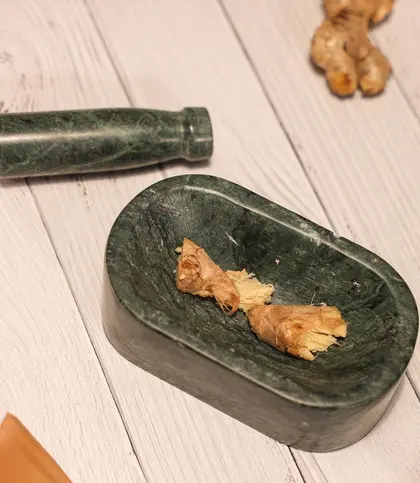
The Jalidar Mortar And Pestle Set is a solid wooden option. Gentle bruising comes from using short, controlled taps rather than from the tool alone. The Zelvora Mortar and Pestle Set - Two Piece Set is a marble option for readers who prefer the weight and stability of marble when crushing aromatics. Choose according to handling feel, capacity, and care requirements for your kitchen.
- Avoid very shallow bowls, which can spill dressing as you turn the salad.
- Avoid undersized mortars that force you to compact or overwork the papaya.
- A manageable pestle is more useful than an excessively heavy one when texture control is the goal.
- For a larger batch, make the dressing in the mortar and fold the papaya in batches rather than crowding it.

₹699
₹1,378
49%OFF
₹1,250
Prepare and Add Ingredients in the Right Order
Prepare everything before you begin. Shred firm green papaya, trim aromatics, portion chillies, and set out your sour, salty, and sweet ingredients. This prevents the early ingredients from being over-pounded while you search for the next one.
For this practical method, begin with the hardest ingredients and work toward the softest. That sequence lets the dressing collect flavour before delicate papaya is added.
- Start with firm aromatics and chillies, then bruise them until fragrant and slightly broken.
- Add firm crunchy ingredients that benefit from a little bruising, if using them.
- Pour in sour, salty, and sweet dressing elements after the aromatics so the liquid carries their flavour.
- Scrape the base and sides between additions to bring concentrated flavour back into the mixture.
- Add shredded papaya, tender vegetables, and herbs last.
Pound Aromatics and Dressing Without Making Them Pasty
Set the mortar on a secure, nonslip surface where possible. Keep your stabilising hand and fingers clear of the pestle's strike path, then use short taps or light downward presses. Full-force blows are rarely necessary for a small salad and can quickly turn garlic, chillies, or tomatoes into a uniform paste.
After two or three taps, pause to scrape, turn, and assess the ingredients. Visible pieces of chilli and aromatic ingredients are desirable. Once liquid is in the mortar, reduce the pounding further; stirring and folding will distribute flavour more effectively than continuous striking.
- Use the pestle to press and bruise rather than repeatedly hammering the ingredients.
- Alternate brief strikes with scraping or turning.
- Add dressing liquid gradually, especially if the mortar is not deep.
- Stop striking if the mixture looks smooth or unusually watery.
- Switch to gentle folding once the aromatics smell strong and look lightly crushed.
Fold in Shredded Papaya and Control the Texture
Add the shredded papaya after the dressing tastes balanced. If the mortar is crowded, add it in two or more batches, turning each addition through the dressing before adding the next. This is more effective than pressing down hard on a full bowl.
Use the pestle as a lifting and lightly pressing tool. Rotate the mortar as you fold, drawing dressing from the bottom over the upper shreds. The right stopping point is papaya that is glossy and seasoned but still springy and visibly intact.
- Taste after the first fold and adjust acidity, saltiness, sweetness, or heat gradually.
- Lift and turn the shreds rather than grinding them against the mortar base.
- Use only enough pressure to help the papaya take on the dressing.
- Serve soon after mixing when maximum crunch matters, as salt and acidity can soften the shreds over time.
Substitutions and Safe Cleanup
When an ingredient is unavailable, replace its role rather than expecting an exact match. Use another crisp vegetable for crunch, another souring ingredient for brightness, a suitable sweetener for balance, and a chilli that matches your preferred heat level. Make adjustments in small additions because moisture, strength, and sweetness can vary considerably.
Rinse the mortar and pestle soon after use, particularly after chillies, garlic, or acidic dressing ingredients. Prompt cleaning limits dried residue and lingering aromas. Let the material and the maker's care guidance determine how thoroughly you wash it. Marble can be porous and sensitive to unsuitable cleaners, so clean it gently and use soap only if the maker permits it.
- For green papaya, consider a firm, crisp vegetable with a similar shreddable texture.
- For acidity, use a suitable tart ingredient and add it slowly to taste.
- For sweetness, use a compatible sweetener in small amounts rather than substituting blindly measure for measure.
- For explicitly non-porous stone, use warm water, mild dish soap, and a soft cloth or brush when permitted by the maker; rinse and dry thoroughly.
- For marble, avoid assuming it has the same care needs as non-porous stone. Follow the maker's instructions, clean promptly with gentle methods, rinse thoroughly, and dry completely.
- For wood, avoid prolonged soaking and harsh cleaners; wash briefly or wipe according to the maker's instructions, then dry completely.
- Check for cracks, rough damage, or trapped food before storing. Do not use a damaged mortar or pestle for food preparation.
Quick Technique Checklist
Run through this short check before you begin. It keeps the focus on texture and seasoning rather than on pounding as hard as possible.
- Is the mortar medium-sized, stable, and deep enough for turning ingredients?
- Are hard aromatics and chillies going in before liquids and papaya?
- Are you using short taps with regular scraping and turning?
- Is the dressing balanced before the papaya is added?
- Are the papaya shreds being folded and lightly bruised rather than ground?
- Has the tool been rinsed, cleaned appropriately for its material, and dried after use?
Frequently Asked Questions
These practical answers focus on tool choice, ingredient order, texture control, substitutions, and material-aware cleanup for a home papaya salad preparation.
Final Verdict
- A medium, stable mortar and pestle is the most practical starting point for papaya salad because it gives you room to make the dressing and fold in the shreds.
- Choose a weighty stone or marble option when stability and firmer crushing are priorities; choose wood when a lighter, traditional-feeling tool suits your method.
- Material matters, but sequence and force matter more: bruise aromatics first, balance the dressing, then fold in papaya with light pressure.
- Stop when the salad is fragrant, evenly coated, and crisp, with identifiable pieces of aromatics rather than a blended paste.
FAQs
What type and size of mortar and pestle works for papaya salad?
A stable, medium-sized mortar is a practical default for a home portion. Look for enough depth to hold dressing and enough room to turn papaya shreds without spilling. Stone or marble can offer reassuring weight for crushing, while wood can work well for gentler bruising.
In what order should papaya salad ingredients be added and pounded?
Start with firm aromatics and chillies, then add other firm ingredients that need slight bruising. Add sour, salty, and sweet dressing ingredients next. Add shredded papaya and delicate herbs last, then fold them through rather than pounding heavily.
How do you bruise papaya salad ingredients without making them paste?
Use short, moderate taps and light presses instead of repeated forceful blows. Keep fingers clear of the pestle's path, and pause every few strikes to scrape and turn the ingredients. Stop once they are fragrant and visibly broken up, while still retaining distinct pieces.
How do you combine shredded papaya and dressing evenly?
Add papaya in batches if space is tight. Use the pestle to lift, turn, and press the shreds gently, rotating the mortar so dressing from the bottom reaches the top. Taste after the first fold, then make small seasoning adjustments.
What can I substitute for common papaya salad ingredients?
Substitute by function: choose another crisp vegetable for crunch, a tart ingredient for acidity, a suitable sweetener for balance, and a different chilli for heat. Add substitutes gradually because their moisture, sharpness, and intensity may differ from the original ingredient.
How do you clean a mortar and pestle after making papaya salad?
Rinse it promptly to remove acidic dressing, chilli oils, and aromatic residue. For wood, avoid soaking and follow the maker's care guidance. For marble, use gentle cleaning and only use mild soap if the maker permits it, then rinse and dry thoroughly. Follow the maker's directions for any other stone, especially if its porosity is unclear.