

Quick Answer
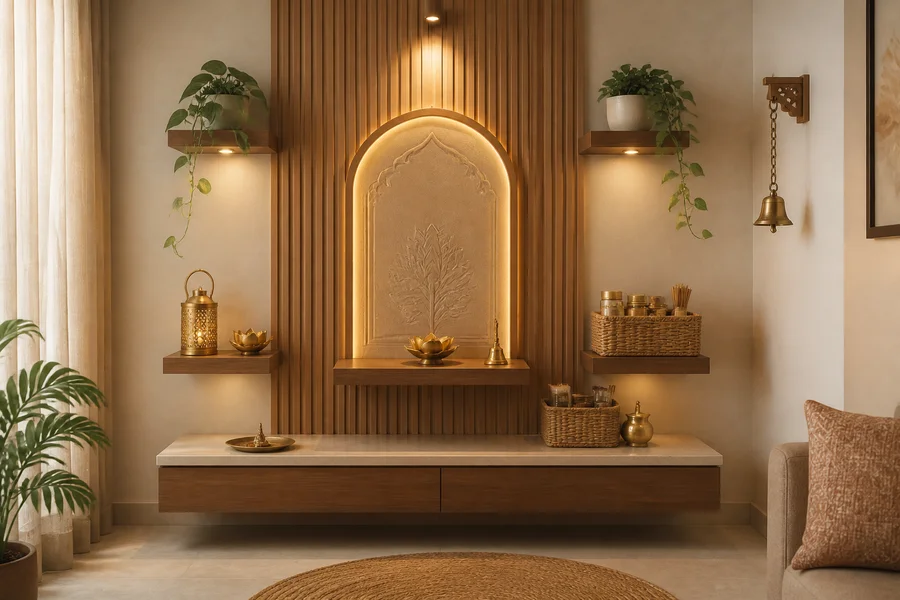
The most practical mandir wall design fits the usable wall and available clearance, creates one clear sacred focal point, and keeps daily puja items within easy reach. Choose removable treatments for flexibility in rented homes, and consider permanent finishes only when wall suitability, permissions and maintenance needs are clear.
Definitions
Mandir wall design
The coordinated planning of a home mandir, or Hindu prayer space, including its wall backdrop, focal point, shelves, storage, lighting, colours and maintenance needs.
Removable backdrop
A wall treatment such as a lightweight accent, fabric panel, removable covering or non-permanent decor that can be taken down with limited alteration to the wall.
Permanent backdrop
A finish or installation intended to remain in place, such as fixed panelling, paint, tile or professionally mounted built-in elements.
Sacred focal point
The visually dominant area of the prayer space, usually the main wall accent or deity display, kept clear so the mandir feels orderly rather than crowded.
Mandir Wall Design: Start With the Wall, Not the Decor
A thoughtful mandir wall design is less about filling a wall with decoration and more about making daily prayer comfortable, orderly and easy to maintain. Start with the usable wall size, walking clearance, cleaning access, rental restrictions and the items your household uses each day.
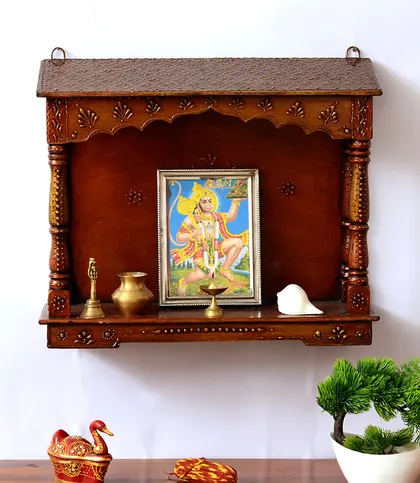
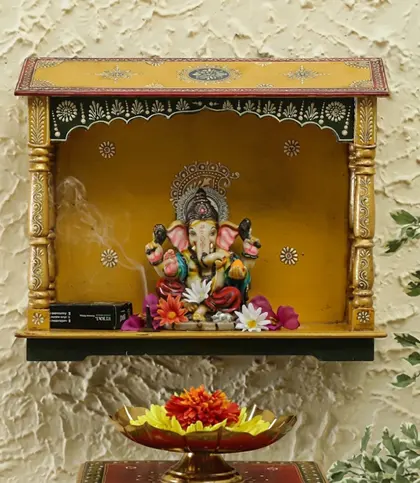
A mandir can be planned in a pooja room, living room, entryway or another suitable private area of the home. On a narrow wall, a compact focal accent can feel composed; on a wider wall, a backdrop can include a focal point, restrained storage and intentional empty space. The Mandir collection can help you compare complementary devotional accents while keeping the overall plan focused.
- Choose the wall before choosing a decorative style.
- Decide whether the space needs a compact accent or a wider visual backdrop.
- Prioritise safe daily use and easy cleaning over a crowded composition.
Mandir
₹1,496
₹2,199
32%OFF
₹3,182
₹5,999
47%OFF
₹1,139
₹2,499
54%OFF

₹2,845
₹4,200
32%OFF
₹1,499
₹1,899
21%OFF
₹899
₹1,699
47%OFF
₹1,529
₹1,899
19%OFF

₹2,845
₹4,200
32%OFF
1. Assess the Wall, Clearance and Prayer-Space Needs
Measure the usable width and height of the wall rather than the room alone. Account for skirting, switches, doors, windows, curtain movement and nearby furniture before settling on a backdrop or shelf. Leave a clear approach so prayer items can be placed, removed and cleaned without reaching awkwardly around furniture.
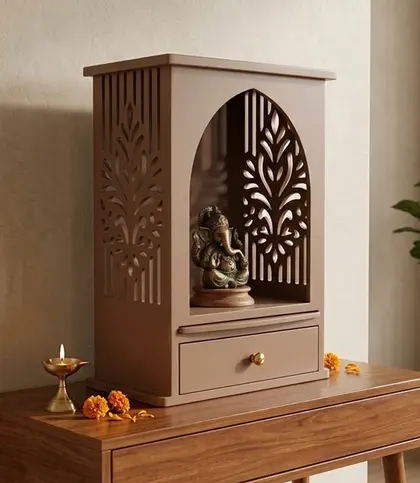
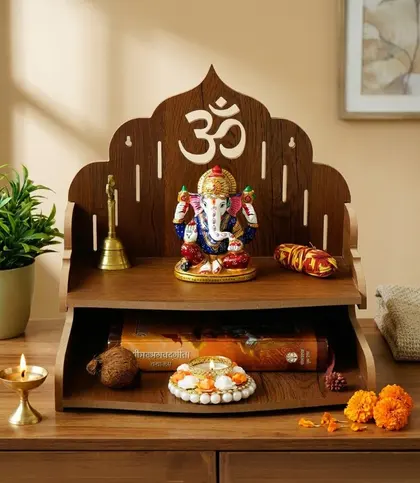
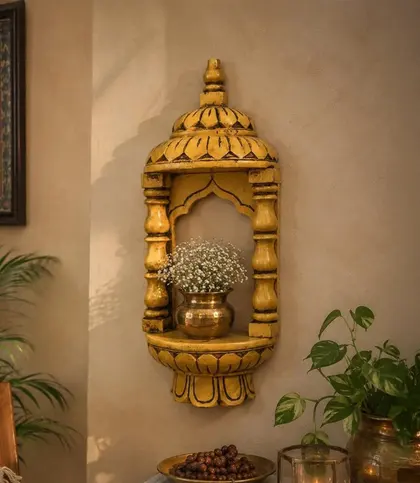
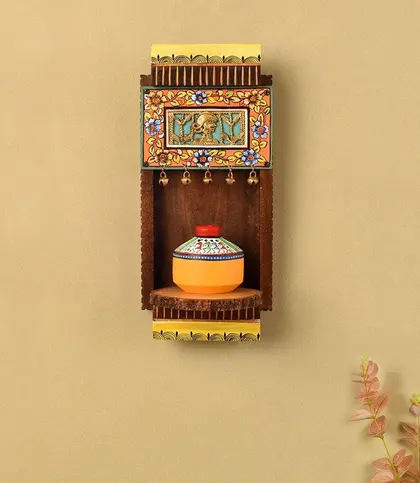
For a small wall, one accent and one compact shelf are often more useful than several competing pieces. A wider composition benefits from clear zones: a central focal point, a limited storage area and negative space that keeps the arrangement calm. The Mandir Arch Wooden Wall Accent is one example of a wood wall accent for a compact focal treatment, provided its fixing method is suitable for the wall.
- Record wall dimensions and the position of switches, openings and nearby furniture.
- Check that the wall can support the intended mount and that drilling is permitted.
- Plan clearance for daily use, festive prayer, cleaning and safe movement.
- List daily-use items, cleaning access, a cable route if lighting is planned, and a flame-safe zone before installation.
₹1,049
₹2,000
48%OFF
2. Compare Removable and Permanent Mandir Wall Materials
Removable treatments are useful in rented homes, temporary layouts and spaces where you want limited wall alteration. Check the recommended fixing method, surface compatibility and removal guidance before installing any lightweight accent, adhesive-backed treatment or fabric panel. Landlord permission may still be needed.
Wood can add warmth and support a traditional or carved look, but it should remain well away from direct flame and be cleaned according to its finish. Metal and brass details can work as small highlights, although fingerprints and tarnish may need regular attention. Fabric softens a wall but can hold dust, incense residue and oil, so use it only when a realistic cleaning routine is possible.
Paint, panelling and tile offer a more permanent backdrop that can coordinate closely with the room, but they need more preparation and installation commitment. Use glass selectively, secure it carefully, and avoid locating fragile or heat-sensitive elements near diyas or incense.
- Compare every material for reversibility, wall impact, cleaning needs, flame separation and visual weight.
- Choose low-impact options when rental terms or future changes are uncertain.
- Choose permanent finishes only when the wall, permissions and upkeep needs are clear.
- Follow product-specific care guidance, especially where smoke, oil or moisture may reach the surface.
3. Plan Shelves, Storage and One Clear Focal Point
Give the primary mandir accent or deity display a clear central position, with breathing room around it. This visual hierarchy helps a small prayer space feel intentional rather than overfilled. Keep wall-mounted shelves for lightweight daily essentials only, and do not exceed the stated capacity or use unsuitable fixings.
Separate frequently used puja items from reserve supplies, festive decor and cleaning materials. A nearby basket or decorative tray can gather loose items without making the wall look busy. The Patang Perch Brass & Wood Shelf is an example of a compact wall shelf format for a limited daily-use arrangement when it is correctly installed. The Wall Shelves collection can also help compare sizes and formats before choosing one.
- Use a single long shelf for a clean, contemporary line.
- Use staggered shelves only when they do not compete with the focal point.
- Keep incense, oils and matchsticks organised, away from heat, children and pets.
- Coordinate materials thoughtfully: wood adds warmth, while brass details can provide a traditional note.
 FastDelivery
₹1,424
₹2,419
41%OFF
Wall & Book Shelves

₹1,959
₹2,743
29%OFF
₹1,099
₹2,999
63%OFF

₹747
₹1,399
47%OFF

₹1,359
₹2,500
46%OFF

₹522
₹899
42%OFF

₹1,119
₹1,537
27%OFF
FastDelivery₹1,424
₹2,419
41%OFF

₹1,399
₹2,172
36%OFF
4. Choose Calm Colours, Motifs and Finishes
Calm neutrals, muted warm tones and restrained whites can help a mandir wall sit comfortably within an existing Indian home palette. Traditional interiors may suit wood, brass details, carved forms and limited devotional motifs. Contemporary spaces may work better with a plain panel, a simple arch and minimal shelving.
Use one dominant finish with one or two supporting materials instead of combining several bold textures. Matte and low-sheen surfaces can reduce distracting reflections and often make dust less visually prominent than high-gloss finishes. In a living room, coordinate the backdrop with surrounding furniture; a dedicated pooja room can carry a more distinct visual identity.
- Match the finish to the room’s existing palette and maintenance needs.
- Limit motifs so the wall retains a clear focal point.
- Choose colours and decor for personal preference and room harmony, not promised outcomes.
- Consider how polished metal, glass or glossy paint will reflect nearby light.
5. Add Practical Lighting Without Glare, Heat or Wiring Risks
Soft, indirect or diffused decorative light can define the focal point without sending a harsh beam toward eye level. Before finalising placement, check for glare on glass, polished brass, glossy paint or framed surfaces. The aim is gentle emphasis, not a brightly lit display.
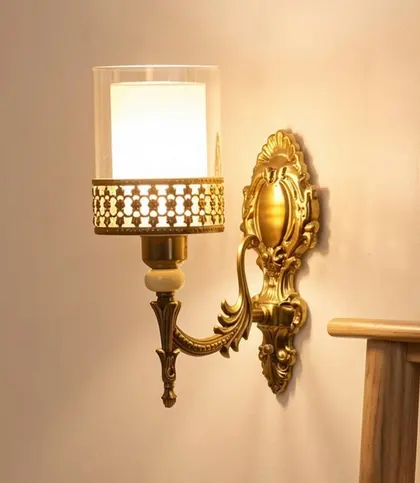
Keep lights and cables away from diya flames, incense smoke, oil splashes and surfaces that become hot. Do not conceal or alter electrical wiring without qualified advice; use an appropriate electrician for new fixed connections or electrical points. Alankara Iron Wall Lamp is a glass-and-iron decorative wall-lamp option, but its instructions, mounting requirements and location should be checked carefully before use around a prayer area.
- Test lighting at the time of day when the space is most often used.
- Keep cables tidy, visible for inspection where possible, and away from open flames.
- Use an electrician for fixed wiring or new electrical points.
- For rented homes, use only low-impact lighting arrangements that are safe and permitted.
₹1,902
₹6,382
70%OFF
6. Review Diya, Incense, Mounting and Cleaning Safety
Place diyas and incense on stable, heat-resistant holders with clear space around them, and never leave an open flame unattended. Keep flames away from wood, fabric, paper, loose garlands, curtains, cables and decorative lights. Maintain appropriate ventilation and watch for soot or residue building up on adjacent surfaces.
Secure shelves, arches and other wall-mounted pieces with fixings suitable for the specific wall type and expected load. Seek professional installation when the wall condition, mounting method or load is uncertain. Keep hot and breakable items beyond the reach of children and pets.
A compact brass piece such as the Om Bless Diya with Incense Holder can help contain daily-use items, but it still needs stable, heat-safe placement with adequate separation from surrounding decor.
- Dust shelves and accents regularly to prevent residue settling into details.
- Use a soft, slightly damp cloth only on compatible non-porous surfaces.
- Follow care directions for wood, brass, fabric and glass.
- Consider oil marks and incense smoke before choosing highly textured or delicate backdrops.

₹349
₹799
56%OFF
Mandir Wall Design Decisions by Home Situation
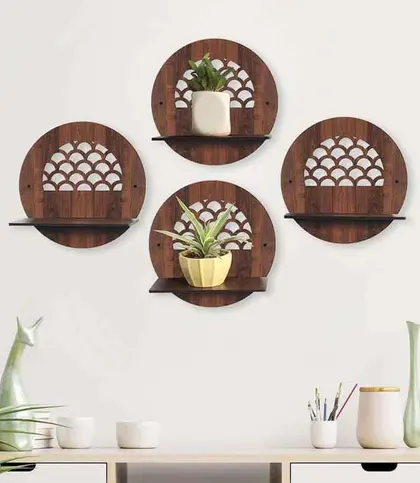
For a small wall or compact mandir, choose one focal accent, one compact shelf and a small diya holder. In a rented home, favour lightweight, low-impact decor that can be removed according to product and landlord guidance. The Eclectic Exhibitors Wall Shelf - Brown - Set Of Three can offer a flexible staggered arrangement, but use only the number of shelves needed and mount each one correctly.
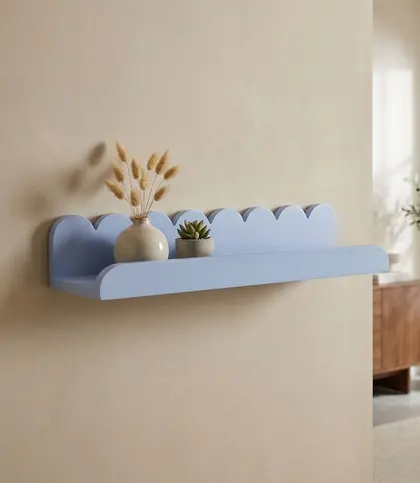
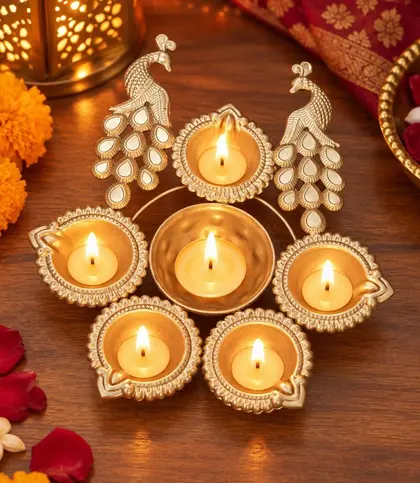
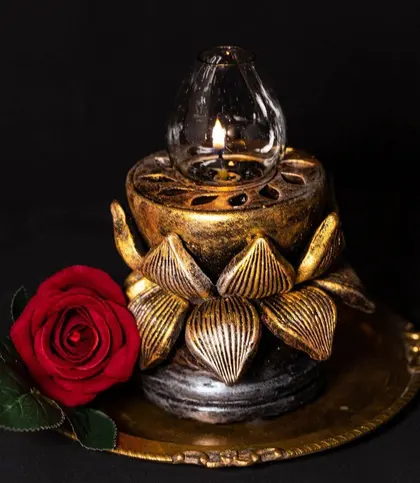
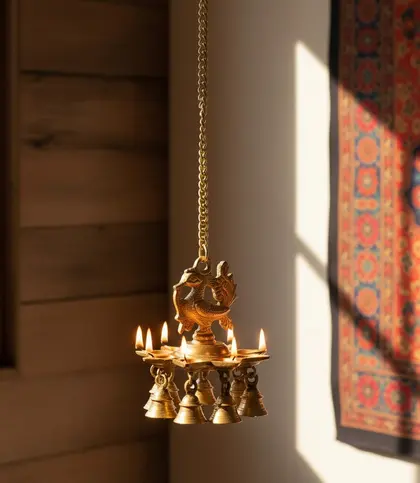
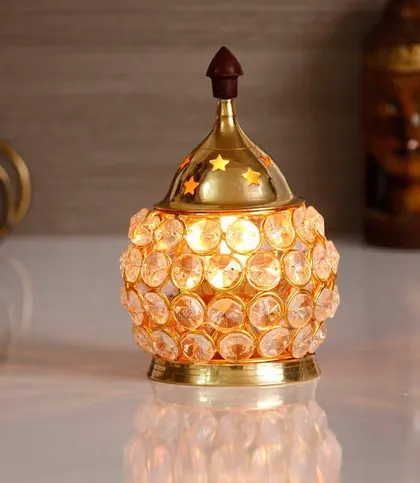
A traditional room can pair a warm wood accent with restrained brass details. A contemporary room may suit a low-sheen backdrop, one simple shelf and discreet decorative lighting. The Wave MDF Wall Shelf is a compact, wall-mounted blue MDF shelf with a scalloped edge and reversible design; use it where that playful accent suits the room’s palette rather than where a fully neutral look is needed. For festive hosting, add temporary decor or extra display items, then reset the wall to its easy-care everyday layout afterward. The Diyas collection can help when selecting a suitable holder for daily or festive use.
- Small wall: one focal accent, limited storage and clear negative space.
- Rented home: removable-looking decor and permitted, low-impact mounting methods.
- Traditional room: wood with restrained brass details.
- Contemporary room: simple forms, low-sheen finishes and minimal visual clutter.
- Daily use: reachable supplies and surfaces that can be wiped easily.
- Festive use: add temporary decor without permanently crowding the wall.
₹747
₹1,399
47%OFF
₹1,306
₹1,375
5%OFF
Diyas

₹1,439
₹2,799
49%OFF
₹149
₹599
75%OFF
₹769
₹1,500
49%OFF

₹899
₹1,850
51%OFF
₹3,942
₹6,999
44%OFF

₹760
₹2,000
62%OFF
₹399
₹799
50%OFF
 FastDelivery
₹584
₹1,099
47%OFF
Final Checklist Before Installing the Mandir Wall
A successful mandir wall is calm, accessible and realistic to maintain. Once the wall and safety requirements are settled, choose the backdrop first, then storage, a diya holder and lighting. This order prevents decorative additions from taking over the practical needs of the space.
- Is the wall permitted, strong enough and accessible for cleaning?
- Is there enough room for daily prayer, placing items and safe movement?
- Is the focal point distinct without overcrowding the wall?
- Are shelves limited to suitable lightweight items and correctly mounted?
- Are flames, incense, wood, fabric, wiring and decorative lights safely separated?
- Can the finish cope with dust, oil residue and incense smoke?
- Does the design complement the room without relying on universal Vastu or spiritual claims?
Final Verdict
- Choose a compact, calm and easy-care mandir wall design by default: begin with the available wall and clearance, then add one distinct focal point and limited storage for daily-use items.
- A removable or low-impact accent is a practical starting point for rented homes or uncertain long-term plans. Consider permanent panelling or a wider composition only when permissions, wall suitability and maintenance commitments are clear.
- Prioritise safe diya placement, correct mounting, wipeable finishes and softly placed lighting over elaborate decoration.
FAQs
Where should a mandir feature wall be positioned in an Indian home?
Choose a suitable private area that works with your household routine and allows safe access, cleaning and storage. A pooja room, living room, entryway or another appropriate home area can work when the wall is not obstructed by doors, furniture or daily circulation.
How much wall area and clearance does a home mandir need?
There is no single required size. Measure the usable wall area after accounting for switches, windows, skirting and furniture, then leave enough space to approach the mandir, handle prayer items and clean nearby surfaces comfortably.
What mandir wall materials work best in a rented home?
Removable or low-impact wall accents are generally the most flexible choice. Confirm the fixing method, surface compatibility, removal instructions and landlord permissions before using adhesive products, hooks, paint or drilled mounts.
How can lighting highlight a mandir without glare or heat?
Use soft, indirect or diffused decorative lighting directed toward the focal area rather than toward eye level. Check reflections on glass and polished surfaces, and keep lights, cables and electrical connections well away from flames, smoke and oil splashes.
Which colours and finishes suit a calm mandir wall?
Restrained whites, calm neutrals and muted warm shades are easy to coordinate with many homes. Matte or low-sheen finishes can reduce glare and make dust less noticeable than highly glossy surfaces.
How can I add storage for puja items without cluttering the wall?
Keep only daily-use prayer items on one or two lightweight shelves. Store reserve supplies, festive decor and cleaning materials in a nearby basket, tray or concealed storage so the sacred focal point remains visually clear.
What safety precautions apply to diyas, incense and wiring?
Use stable, heat-resistant holders, never leave open flames unattended, and keep diyas and incense away from fabric, wood, paper, cables, curtains and lights. Use wall fixings suited to the wall type, and consult a qualified electrician for fixed wiring or new electrical points.
How do I keep a mandir wall design clean and easy to maintain?
Choose wipeable, durable finishes where smoke or oil residue may occur, dust regularly and follow care instructions for each material. Avoid delicate textures or fabric backdrops unless you can clean them consistently.
Keep exploring