


Kitchen Jar Size And Material Guide
Short answer: Choose kitchen jars by what they will hold, how often you refill them, and whether you need visibility or countertop style. Airtight closure and easy cleaning matter more than a matching set.
The 5-Minute Choice
Choose jar size and material by ingredient type, refill frequency, visibility, and counter space.
Start With The Ingredient
Rice, dal, flour, biscuits, tea, coffee, spices, and condiments all behave differently. Large staples need bigger jars with wide mouths. Spices need smaller jars that are easy to lift while cooking. Biscuits and snacks need a lid that closes cleanly after frequent opening. Before buying a set, list the exact items you want to store and mark which ones must be airtight.
Choose Material By Visibility And Care
Glass is useful when you want to see quantity at a glance and keep shelves visually tidy. Ceramic hides visual clutter and looks warmer on open counters, but it may not show when supplies are running low. Stainless steel is practical for durability and light protection. Wooden lids look good, but they need dry handling and careful cleaning.
Match Capacity To Refill Rhythm
A jar is too small if you refill it every few days and too large if half the jar stays empty for weeks. For daily tea, coffee, sugar, or snacks, medium jars are easier to handle than oversized containers. For monthly staples, larger containers can live inside cabinets while smaller jars sit near the cooking zone.
Plan The Shelf Before The Set
Measure shelf height and depth before buying jars in sets. Straight-sided jars often use space better than rounded jars. If the jars will sit on an open shelf, repeat one material or lid color so the kitchen looks organized even when the contents differ.
The 5-Minute Decision
Pick the ingredient group, choose visibility or hidden storage, decide refill frequency, and check shelf height. Buy individual jars when your needs vary; buy a set only when capacities and material match the way your kitchen actually works.
Quick Checklist
- [ ] The item solves a real daily-use, storage, lighting, fragrance, or decor problem.
- [ ] Size and count match the available surface, wall, shelf, bag, or cabinet.
- [ ] Material and finish fit the cleaning routine.
- [ ] Installation, heat, leak, or load constraints have been checked where relevant.
- [ ] The choice works with the room as it is today, not only with a future makeover.
Quick Answer
- Choose kitchen jars by the job it must do first, then by style.
- Measure the actual spot before buying; most mistakes come from poor fit.
- Pick easy-care materials for daily use and more decorative finishes for occasional or guest-facing use.
- If two options both look good, choose the one that makes the room easier to use in five minutes.
Definitions
- Kitchen Jar Size: Storage should make daily items easier to find and return; the best option matches item size, shelf depth, and cleaning routine.
Before You Buy
Check where kitchen jars will actually be used. Measure the available space, check cleaning or storage effort, and think through how people move around it. If it creates a new inconvenience, choose a simpler or better-fitting option.
Product Picks That Fit The Decision
These picks show how the buying logic applies to real Vaaree options. Compare them by use case, size, material, finish, and where they will sit in the home.
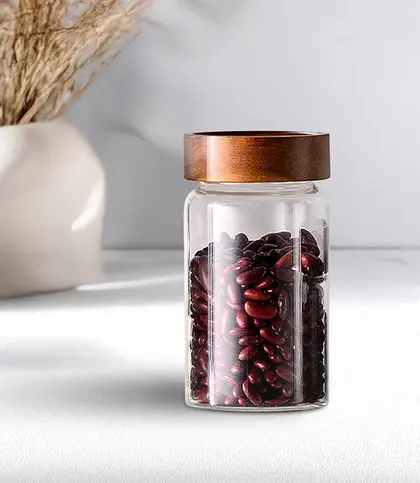
- Use Bergner Crystal Seal Airtight Glass Storage Jar - 900 mL as a glass 900 ml option for visible dry storage.
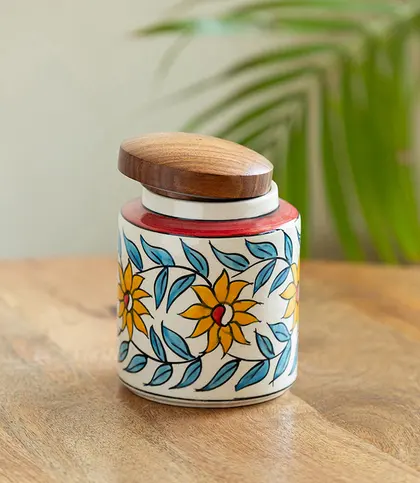
- Compare Sunny Skies Ceramic Jar - 600 mL as a ceramic medium jar for countertop styling.
- Consider Yumi Condiment Jar With Tray (150 mL Each) - Four Piece Set as a small condiment set for daily-use masalas or snacks.
₹589
₹790
25%OFF
₹902
₹1,690
47%OFF
 FastDelivery
₹1,234
₹2,529
51%OFF
Final Verdict
- Choose the simplest option for kitchen jars when daily use, cleaning, or space is the main concern.
- Choose the more decorative option when the room already works and needs warmth, texture, height, or personality.
- Combine products only when each one has a different job; the best home decisions make the room easier to live in, not just fuller.
FAQs
Are glass jars better for kitchen storage?
Glass is good for visibility and dry storage, but airtight closure and cleaning ease matter just as much.
What size jar is best for spices?
Small jars are better for spices because they stay easy to lift, refill, and place near the stove.
Should all kitchen jars match?
Matching lids or material can make shelves look calmer, but every jar should still fit the ingredient it holds.
What should I check before buying kitchen jars?
Check size, material, placement, cleaning effort, and how often it will be used. The right choice should make the room easier to live in, not just better in photos.
How do I choose kitchen jars for daily use?
Start with the daily routine, then narrow by size, finish, and maintenance. The better choice is the one that fits the room without adding a new cleaning, storage, or movement problem.