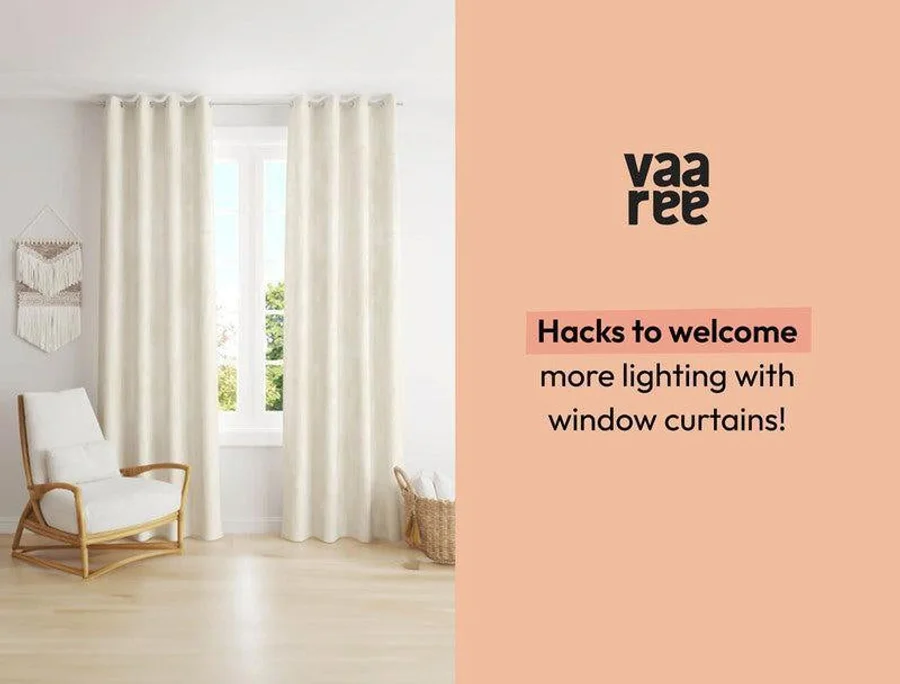
Curtains can shape the light, privacy and visual balance of a room. Choosing the right fabric and hanging them thoughtfully can help you make the most of a window while creating a look that suits your space.
Tips for hanging window curtains for the best lighting effect
1. Fabric comes first
The fabric you choose plays a significant role in how much daylight reaches the room. If you enjoy a bright, airy feel, consider lightweight or sheer curtains that allow filtered light through. If you prefer more privacy or a more shaded room, choose a denser fabric. Consider the light at different times of day before deciding.
Explore curtain options
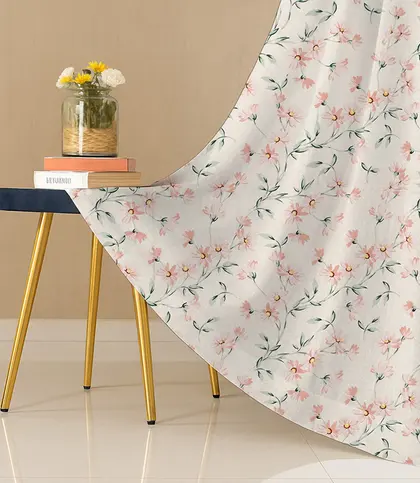
Compare these curtain designs with your room’s light, style and intended use. Check the product page for dimensions, care instructions and contents before choosing.

From ₹949
₹1,999
53%OFF
 FastDelivery
From ₹1,049
₹1,699
30%OFF
 FastDelivery
From ₹462
₹999
54%OFF
2. Consider the curtain length
Curtain length affects the room’s overall proportions. Full-length curtains can create a more formal, elongated look, whether they just touch the floor or stop slightly above it. For a short window or a practical area, a shorter length may suit the space better. Measure from the rod position, rather than only from the top of the window frame, before selecting a length.
3. Plan the curtain width
As a starting point, the combined width of the curtains can be around two to two-and-a-half times the width of the window or rod. This gives the fabric room to form folds when closed and lets the panels gather more neatly when open. Adjust the fullness to suit the fabric weight and the look you want.
4. Position the curtain rod carefully
Once you have decided on the fabric, length and width, plan the rod placement. Mounting the rod above the window frame can make the window appear taller, while extending it beyond the frame can provide more room for the panels to sit to either side when open. A common starting point is about 5 inches above the frame and about 10 inches wider than the window, but adjust these measurements for your wall space, curtain length and hardware.

5. Don’t forget tiebacks
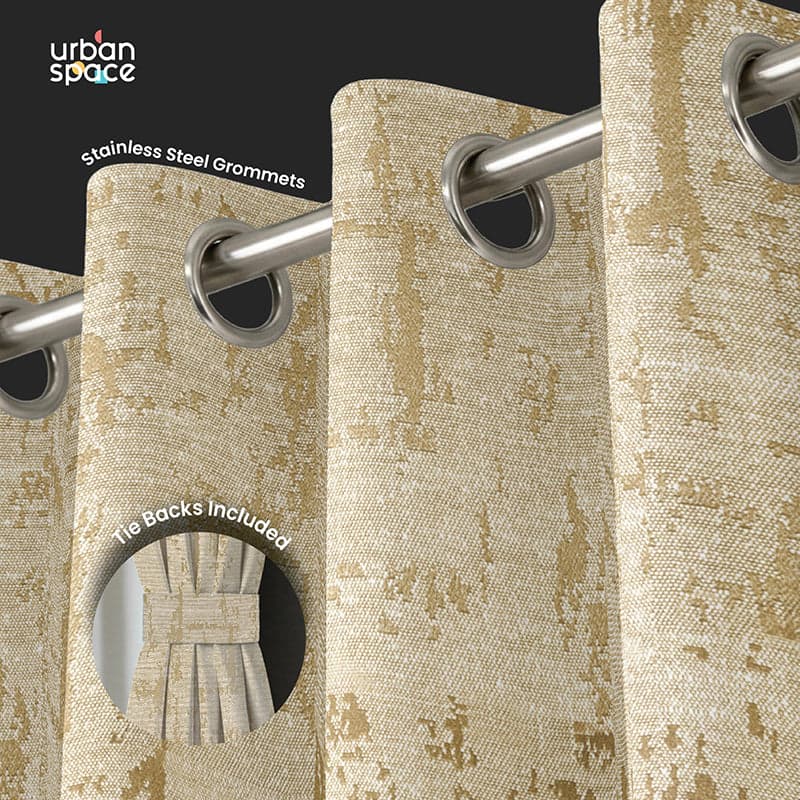
Tiebacks and holdbacks can help keep curtain panels gathered to the sides of the window, leaving more of the glass uncovered when you want daylight. Place them at a height that feels balanced with the window and the length of the curtain. They can also add a decorative finishing touch.
6. Experiment with curtain hanging styles
Curtains can be hung in different ways, including rod-pocket, tab-top and eyelet styles. Each style changes how the fabric falls and how easily the panels move along the rod. Choose a hanging style that works with your existing hardware and the amount of day-to-day adjustment you expect to make.

7. Try dual curtains
Layering two curtain panels can give you more flexibility throughout the day. A lighter inner layer can soften daylight, while an outer layer can be drawn when you want greater coverage. Before choosing a layered arrangement, make sure the rod or track can accommodate both layers and that the combined width is sufficient.

8. Clean curtains regularly
Dust can settle on curtains over time, so regular care helps keep them looking fresh. Use the care instructions for your specific curtains before vacuuming, washing or arranging dry cleaning. Clean windows and unobstructed curtain panels can also help your window area look brighter.
These simple considerations can make curtain installation easier and help you create the level of daylight and privacy that feels right for your room.

Browse curtains by need
Explore curtain options for different window sizes, layering plans and light preferences.

Related curtain guides
Cleaning and Caring for Window Curtains
Guide to Finding Matching Curtains
Frequently asked questions
1. Why does curtain placement matter for lighting?
Curtain placement affects how much of the window is visible when the panels are open. Extending the rod beyond the window frame can give the curtains more space to stack at the sides.
2. Should curtains cover the entire window for optimal lighting?
It depends on your needs. Close the panels for privacy or to reduce direct light, and draw them back when you want to expose more of the window.
3. What types of curtains are useful for maximising natural light?
Lightweight and sheer curtain styles are often useful when you want daylight to pass through while still softening the view. Check the product details to understand the fabric and coverage before purchasing.
4. Should curtains touch the floor for the best lighting effect?
Curtains that touch the floor or stop just above it are common choices for a full-length look. The best length depends on the window, rod position, room use and the amount of clearance you need.
Keep exploring