


Choose a dish rack for a regular load of plates, bowls and glasses. Choose a drying mat for small loads, oversized cookware or a counter you need to clear after washing. A compact rack with a separate mat can handle mixed loads, provided both fit without blocking the tap or leaving water around appliances.
Start with your usual washing load and the space beside your sink. Good drainage and easy cleaning matter more than extra tiers or accessory holders.
Measure Before Choosing a Rack or Mat
Measure the usable width and depth beside the sink, then check the height below any cabinet or shelf. Include the rack's tray, cutlery holder and drainage spout in its footprint. Leave room to turn the tap, open nearby doors and use the counter.
For a rack that sits across or inside the sink, check the manufacturer's supported sink dimensions and fixing method. A model described as adjustable still needs to fit your particular sink.
Next, count what you wash on an ordinary day. A large rack bought for occasional entertaining can occupy useful preparation space all week. A smaller everyday setup with temporary overflow space may work better.
- Plates and bowls need enough separation to stand securely.
- Tall glasses need clearance and a stable place to rest.
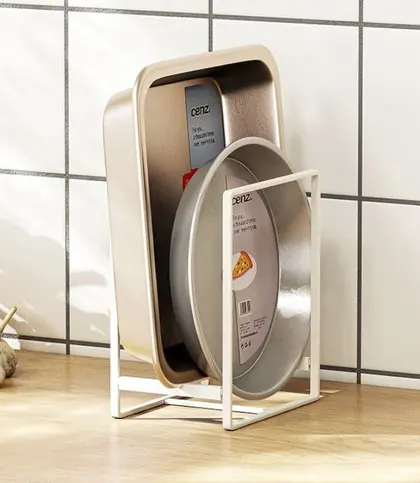
- Large pans may need a separate drying area.
- Cutlery should not fall through the base or obstruct drainage.
- Water should stay away from sockets, appliance bases and the counter edge.
Dish Rack or Drying Mat: Which Fits Your Routine?
Choose a rack for regular mixed loads
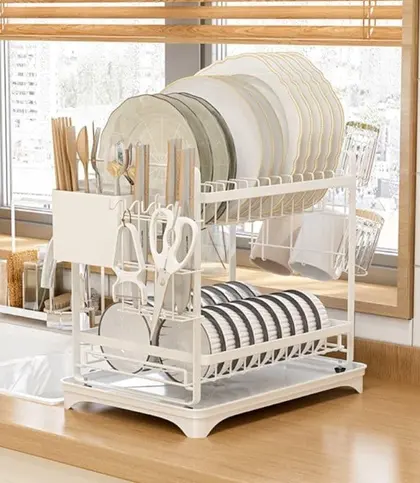
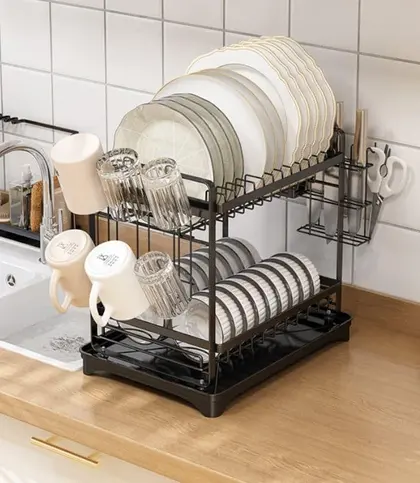
A rack keeps dishes separated while they dry. Look for stable plate slots, room for your usual bowls and a cutlery holder you can remove to wash. Check whether the drainage tray empties into the sink or needs emptying by hand.
Before choosing a second tier, check that you can reach every item and remove the tray without lifting a loaded rack. Extra capacity is useful only when it remains easy to use and clean.
Dish & Sink Rack

₹2,429
₹5,999
60%OFF
 FastDelivery
₹3,199
₹5,549
42%OFF
 FastDelivery
₹1,439
₹3,598
60%OFF

₹1,439
₹2,999
52%OFF
 FastDelivery
₹809
₹1,999
60%OFF
From ₹404
₹749
51%OFF
 FastDelivery
₹3,199
₹5,549
42%OFF

₹1,199
₹3,199
63%OFF
Compare the listed dimensions and drainage arrangement with your measurements. Check each product's material and care instructions rather than assuming every rack has the same finish or rust resistance.
Choose a mat for flexible drying space
A mat suits small loads, delicate items and cookware that will not sit securely in rack slots. Check whether the mat absorbs water or channels it towards the sink. An absorbent mat needs somewhere to dry fully between uses.
Choose a size you can wash and store easily. A folded, persistently damp mat is not a useful space-saving solution. Follow its care instructions and replace it if the surface or backing becomes damaged.
Use both when they solve different problems
Let the rack hold everyday plates and bowls while a separate mat handles pans or occasional overflow. Keep the two areas accessible so you can clean underneath them. Avoid stacking wet dishes simply to make everything fit.
Check Drainage, Stability and Cleaning Access
Look for a tray you can remove, corners you can reach and a drainage path that suits your counter. A spout should point into the sink without sitting awkwardly against its edge. Check the instructions before changing the rack's angle or adding supports beneath it.
The base should remain steady when dishes are loaded unevenly. Inspect non-slip feet and check that plate slots do not require you to force dishes into place. Keep tall or heavy items where the rack's instructions say they belong.
Material labels help you compare care needs, but do not guarantee performance. Check joints and coatings as well as the main frame. Follow the manufacturer's instructions for coated metal, stainless steel, plastic, silicone and absorbent mats.
Add Only the Sink Accessories You Use
A ventilated sponge holder or sink caddy
Choose a holder that lets water drain and can be taken apart or reached for cleaning. Position it close to the washing area without keeping the sponge under a constant stream of water. Empty any drip tray and let cleaning tools dry between uses.
A refillable dispenser
A dispenser can give washing liquid a fixed place. Check that it is compatible with the liquid you use and has a stable base and an accessible refill opening. Clean residue around the pump and base according to its instructions.
Separate towels for separate tasks
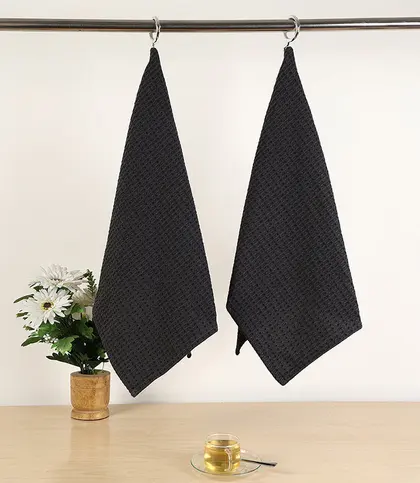
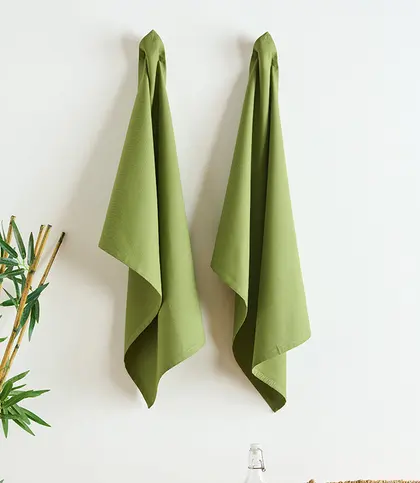
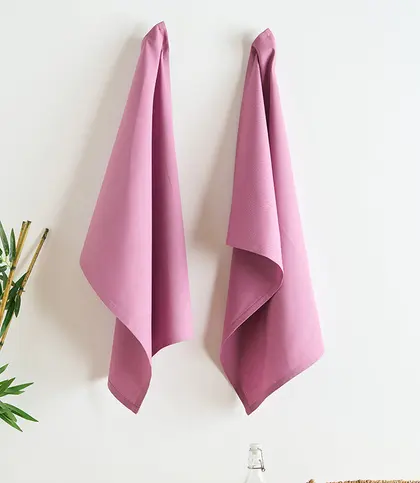
Keep a clean hand towel within reach. Use a separate clean towel if you dry dishes by hand, and another cloth for wiping counters. Hang damp towels so they can dry rather than leaving them bundled beside the sink. Launder them according to the care label and change them when soiled or persistently damp.
Kitchen Towels

₹304
₹349
13%OFF

₹304
₹349
13%OFF

₹304
₹349
13%OFF

₹304
₹349
13%OFF

₹549
₹899
39%OFF
₹549
₹899
39%OFF
₹304
₹349
13%OFF
₹304
₹349
13%OFF
Compare size, fabric and care instructions for the task you have in mind. A towel helps with hand drying and small splashes; it does not replace a rack's drainage tray or a purpose-made drying mat.
Keep the Drying Area Easy to Maintain
Empty standing water from trays after use. Remove food debris, wash accessible parts as directed and clean the counter beneath the setup. Rinse and dry removable components before putting them back.
If water repeatedly collects under the rack, check the drainage path, tray position and loading arrangement. Do not solve a persistent leak by leaving a towel underneath indefinitely. Reconsider the rack's fit or choose a design better suited to the sink.
Inspect coatings, joints and feet while cleaning. Stop using parts with sharp edges, unstable supports or damage that prevents proper cleaning or safe use.
A Quick Buying Checklist
- The complete footprint fits, including trays and accessory holders.
- The tap, cabinets and preparation space remain accessible.
- Capacity matches an ordinary day's washing.
- Plates, bowls and glasses sit securely without crowding.
- Water has a clear, manageable drainage route.
- Trays, joints and the counter underneath are easy to clean.
- Mats and towels have somewhere to dry between uses.
Common Questions
Is a dish rack always better than a drying mat?
No. A rack helps separate regular loads of plates, bowls and glasses. A mat offers flexible space for small loads and awkward cookware. Choose by your washing routine, available space and ability to keep the drying area clean and dry.
Why does water collect under my rack?
Check whether the tray is full, the outlet is obstructed or the drainage arrangement does not suit the sink. Follow the setup instructions. If the problem continues, change the arrangement or rack rather than allowing water to sit against the counter or nearby appliances.
What should I buy first for a small kitchen?
Measure first, then choose one drying surface that fits your usual load. Add a caddy only if it gives wet cleaning tools a better place to drain. Add overflow drying space when you actually need it.
Keep exploring