

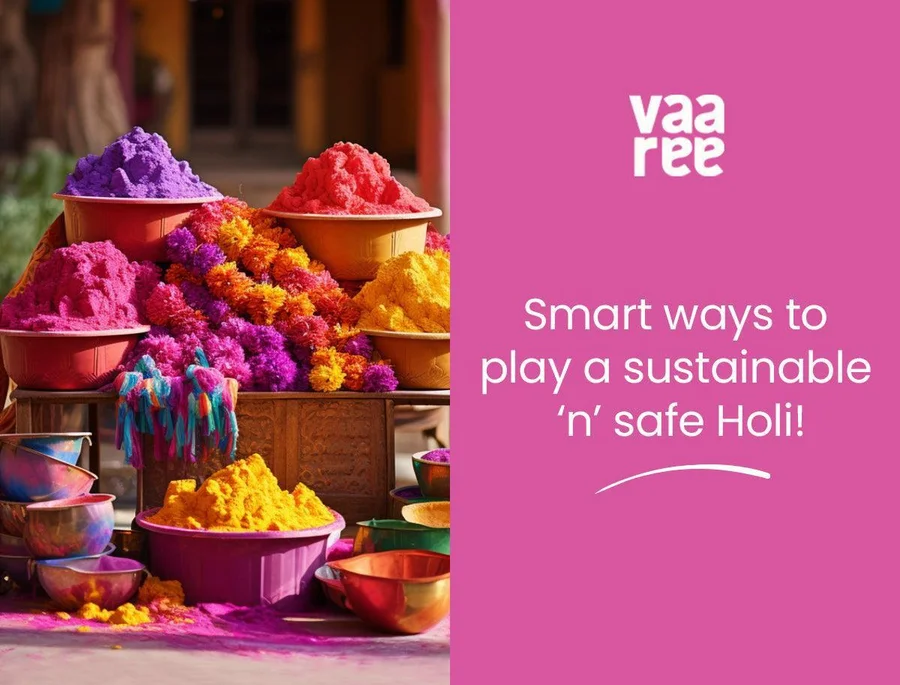
‘Holi’ is a spring festival synonymous with togetherness, fun and festivity. Whether it is kids or adults, everyone enjoys the ritual of playing with colours and the freshness that comes with this vibrant celebration. Along with fun and play, however, it helps to plan for people, shared spaces and the environment.
A few preventive steps can make Holi more eco-friendly and comfortable for everyone around. But, how do we celebrate Holi in a more sustainable manner?
Here are eight ways to celebrate a safe and eco-friendly Holi
1. Pre-Holi preparation and clothing
Wear comfortable full-length clothing if you would like less direct colour contact, and keep colours away from eyes, mouths and food. Use personal-care products only as directed; oil and sunscreen do not establish that a colour is safe. Children should be supervised during colour play, especially around the eyes.

2. Choose Holi colours carefully
Playing with colours is one of the most prominent characteristics of Holi. Especially kids may enjoy splashing colours on friends and running around with a pichkaari. Choose colours intended for Holi use and follow their labelling. Natural, organic or homemade ingredients are not automatically suitable for every person or for contact with skin and eyes.

3. Use less water
A lot of water can be used during Holi, so it is worth planning a lighter-water celebration. Where water scarcity is a concern, be mindful of how much is being used. Buckets can help you portion water more deliberately than open hoses. Do not assume coloured water is harmless to plants, soil or drains; follow local guidance for cleaning and disposal.

4. Refrain from balloons and plastic bags
Water balloons can create litter and may be uncomfortable or unsafe when thrown at people. Skip them, along with single-use plastic bags where possible. Organic colours, a small amount of water and a few indoor or outdoor games can still make the festival feel lively.

5. Manage the litter
Playing Holi can leave behind a lot of litter and waste. Arrange a quick post-celebration clean-up, collecting waste separately where local sorting is available and putting it in the appropriate bins. Doing it together can be a satisfying way to care for the shared space.

6. Choose pooja items thoughtfully
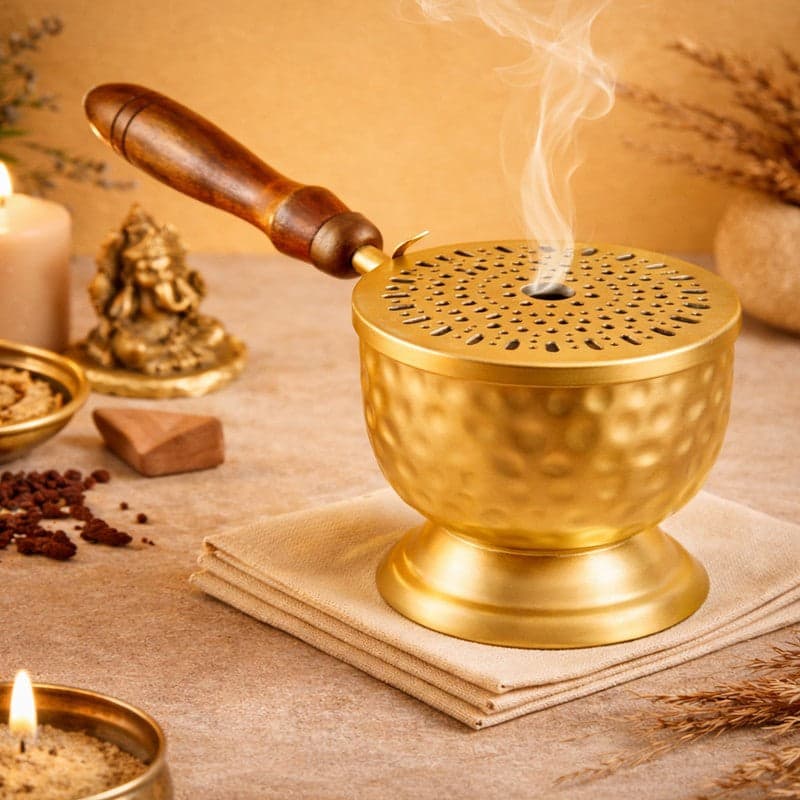
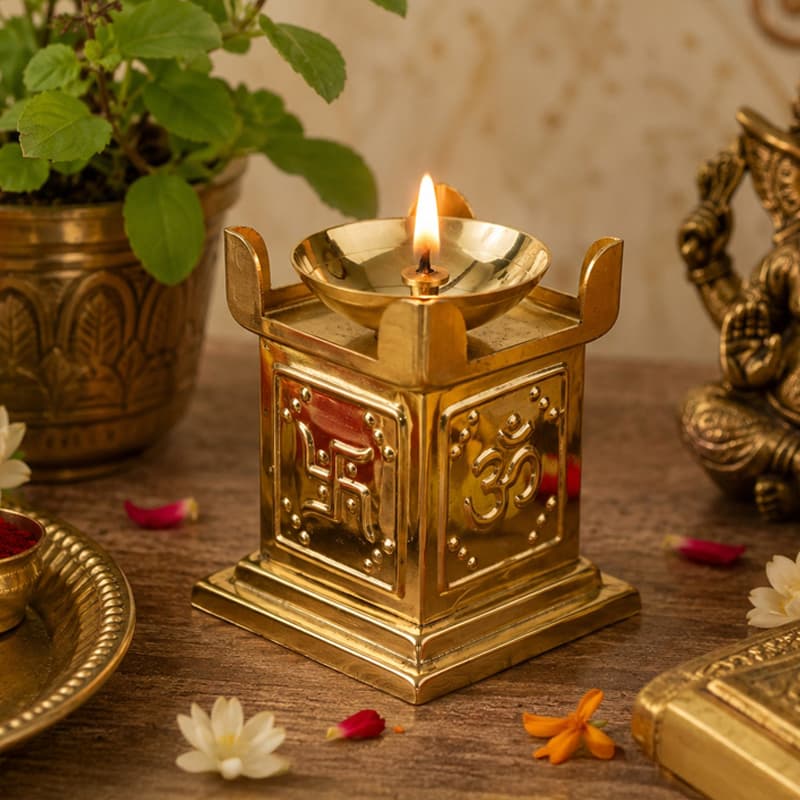
Offering prayers is an essential part of many Holi celebrations. Set up your pooja space with items you expect to use again, and avoid unnecessary plastic packaging where practical. Diyas, incense and a pooja thali can help create a festive setting; check individual product pages for dimensions, care and contents before choosing.
7. Plan food and packaging
Holi is a wonderful time to enjoy snacks and savouries such as malpua, puran poli, gujiyas, dahi bhalle and thandai. Keep food covered and separate from colour-play areas, and consider dietary needs when serving guests. Choosing less packaging and avoiding unnecessary disposable items can also reduce clean-up.

8. Use reusable serving containers
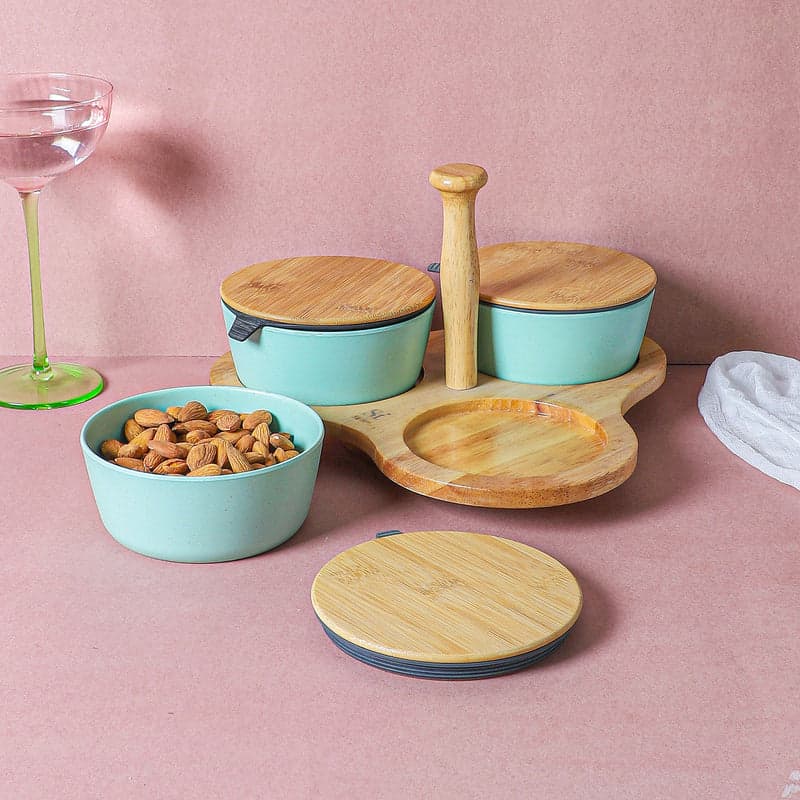
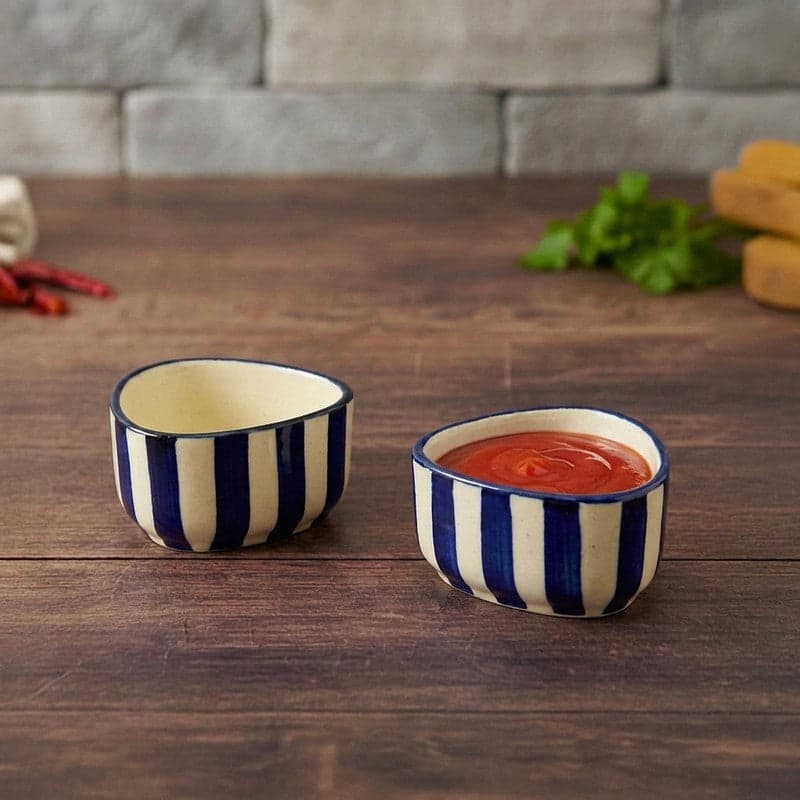
The containers used for serving food matter as much as the packaging. Reusable bowls, platters and cutlery can be practical for a home celebration and may help reduce single-use waste. If choosing disposable options, check local disposal guidance and the product information rather than assuming an item will break down in every setting.
FAQs
1. How can we celebrate Holi in an eco-friendly way?
Celebrate with mindful colour use, less water, no water balloons, reduced single-use plastic and a clean-up plan for the end of the day. Reusable serving items can also help reduce disposable waste.
2. How can I make Holi colours at home?
Flower petals can be used for colourful decorations or rangoli. Do not assume that a homemade powder is suitable for skin or eyes simply because its ingredients are natural.
3. Can I reduce water usage during Holi celebrations at home?
Yes. Use buckets instead of hoses, decide in advance how much water to use and begin clean-up by gently removing loose colour before washing. Keep coloured runoff away from plants where possible and follow local disposal guidance.
4. What are safe options for protecting hair and skin during Holi?
Wear comfortable clothing that covers the areas you prefer to protect, keep colour away from eyes and mouths, and follow the directions on any colour or personal-care product. Stop using a product if it causes discomfort.
5. How do I dispose of leftover colour in an eco-friendly way?
Use only what you need in the first place. Small amounts of suitable leftover colour may be kept for rangoli or art activities, while the remainder should be handled according to its label and local waste guidance.
Popular Blogs
- How to Pick the Perfect Colour of Carpet for Your Home
- 10 Kitchen Countertop Organizer Ideas
- 10 Quick Ways to Update a Dining Nook
- Hallway Decor Ideas
- Coffee Table Decoration Ideas
- How to Celebrate Gudi Padwa
- Happy Holi Wishes
- Decor Hacks
- How to Arrange Ornaments on Shelves
- Study Table Decor
- Best Holi Gift Ideas
- Wedding Home Decoration
Keep exploring