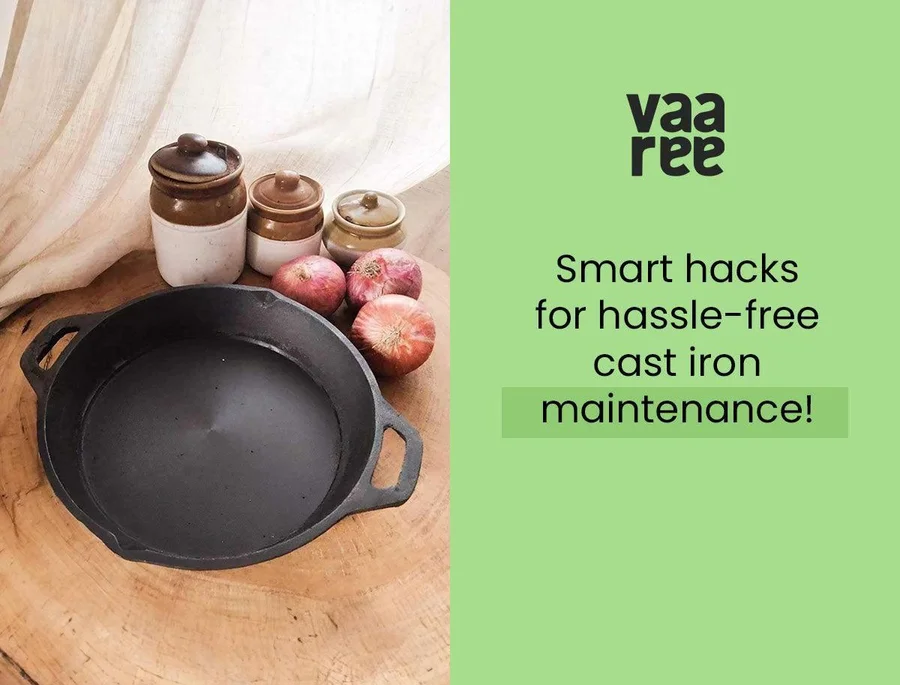
Cast iron cookware, including skillets, dosa tawas, appam pans, kadais, grills, paniyaram pans and roti tawas, is used for a wide range of everyday cooking.
What is cast iron cookware?
Cast iron cookware is made from cast iron, an iron alloy formed by melting and casting iron. It is commonly available in many shapes, from tawas and kadais to grills and pans.
Here are some cast iron cookware benefits:
- Once heated, cast iron can retain warmth for some time.
- There are many varieties of cast iron cookware, including dosa tawas, roti tawas, kadais and grills.
- Cast iron cookware may be used for cooking and, depending on the piece, serving.
- It can be suitable for sautéing, roasting, frying, baking and browning when used according to the manufacturer’s instructions.
- Vegetables, eggs, meat, bread and many other dishes can be prepared in cast iron cookware.
- With attentive care, cast iron cookware can remain useful for many years.
If you are choosing a tawa, consider the cooking surface and size that suit the dishes you make most often. Check the product page for dimensions, care guidance and what is included.
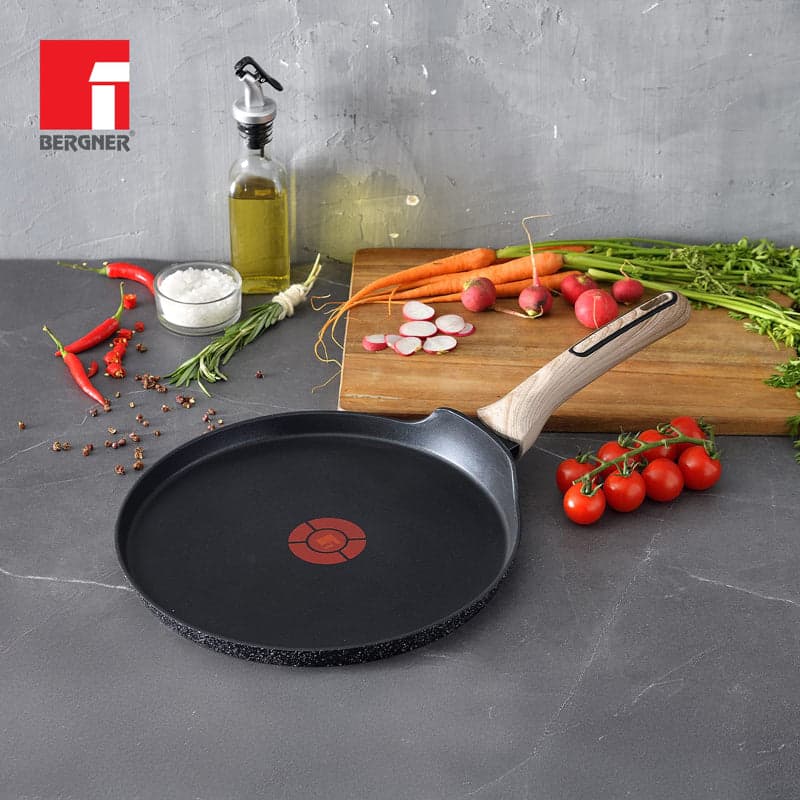
Ways to take care of cast iron cookware after cooking
Clean cast iron cookware soon after use so food residue and flavours do not linger. Wash it with warm water, using a mild pan scraper or scrubber to loosen stuck-on food. A small amount of mild dish soap can be used when needed. Avoid harsh abrasive cleaners and steel wool unless the manufacturer specifically recommends them.
For stubborn residue, add a little warm water and gently loosen the food with a suitable scraper or scrubber. Avoid leaving uncoated cast iron soaking for long periods.
Dry the cookware thoroughly with a cotton or muslin cloth. You may also warm it briefly on the stovetop to remove remaining moisture, if the manufacturer’s instructions allow it. Do not store cookware while wet, as prolonged moisture can contribute to rust on uncoated cast iron.
Do not put cast iron cookware in a microwave. Check the care instructions for your specific piece before using it in a dishwasher, oven or on a stovetop, particularly if it has a coated surface or a different handle material.
Seasoning cast iron cookware
Some uncoated cast iron cookware may need seasoning when its surface looks dry, begins to lose its protective layer or after rust removal. Seasoning needs vary by the cookware’s finish, condition and manufacturer guidance.
To season suitable uncoated cast iron, apply a very thin, even layer of cooking oil, then wipe away the excess with a paper towel. Follow the manufacturer’s recommended temperature and heating time. Never heat oil until it smokes heavily or ignites.
Let the cookware cool before storing it. Choose an oil you are comfortable cooking with and avoid strongly flavoured oils if you do not want their flavour to affect food. Re-season only when needed, and follow the care instructions for your particular cookware.
With regular cleaning, thorough drying and appropriate seasoning where required, cast iron cookware can be straightforward to maintain.
FAQs
1. What is the best way to clean cast iron cookware after use?
Clean it soon after use with warm water and a mild scrubber or pan scraper. Use a little mild dish soap when needed, then dry the cookware thoroughly.
2. Should I wash cast iron cookware with soap, or is it better to use water only?
A small amount of mild soap can be used when needed to remove food residue. Avoid harsh cleaners, and always check the manufacturer’s care guidance, especially for coated or enamelled cookware.
3. How do I remove stubborn food residue from my cast iron pan?
Use a little warm water and a suitable scraper or mild scrubber to loosen residue. Dry the pan promptly afterwards rather than leaving uncoated cast iron to soak.
4. Is it safe to use steel wool or abrasive cleaners on cast iron?
Avoid steel wool and harsh abrasive cleaners for routine cleaning, as they can remove or damage the surface treatment. Use a mild scrubber or pan scraper unless the manufacturer advises otherwise.
Keep exploring