


Honey Garlic in a Jar: Safer Storage and Kitchen Use
Quick Answer
Honey garlic is peeled garlic cloves covered with honey in a clean glass jar. This article is jar-selection and risk guidance, not a tested preservation recipe: no specific validated honey-garlic formulation is linked here. For a batch intended for eating, seek directions from a recognised food-safety agency, university extension service, or preservation authority that states ingredients, method, storage, and a use-by period. Social-media posts and unsourced fermentation recipes do not qualify. Until you have that guidance, do not assume raw garlic and honey is shelf-stable or safe to improvise.
Definitions
Honey garlic
Garlic cloves covered with honey in a jar. It may change over time, but it is not automatically a controlled or safe fermentation.
Conservative storage
A cautious approach that favours a small batch, refrigeration, clear labelling, clean utensils, and discarding a jar when its condition or history is uncertain.
Airtight jar
A food-safe jar with a lid that closes securely. Airtightness alone does not make raw garlic and honey shelf-stable.
What Honey Garlic Is—and the First Kitchen Decision
Honey garlic is garlic cloves covered with honey in a clean glass jar. It is often sought for its sweet-savoury flavour in cooking, rather than as a medical or wellness product.
The important first decision is whether you have a credible, validated recipe for consumption. This article does not provide one because no specific tested formulation from a recognised food-safety, university-extension, or preservation authority is linked here. Raw garlic and honey should not be treated as a shelf-stable preserve or a guaranteed fermentation.
If you want to make an edible batch, use an authority-led recipe that clearly gives ingredients, proportions, preparation steps, storage instructions, and a use-by period. Avoid relying on social-media videos, uncredited blogs, or visual changes as proof of safety.
- Use this guide to choose a jar and understand cautious handling.
- Look for recipes from food-safety agencies, university extension services, or preservation authorities.
- Do not assume room-temperature storage is appropriate.
- Do not make medical, immunity, or disease-prevention claims about the mixture.
Choose the Garlic, Honey, and Jar
For any authority-led recipe, begin with firm, intact garlic cloves. Reject cloves with mould, soft spots, deep damage, or questionable areas, and remove loose peel and debris. Use only the honey and additional ingredients specified by that recipe; adding water or changing proportions can alter the preparation.
Choose a clean, completely dry, food-safe glass jar with a secure lid and enough room for the recipe’s required fill level. Small jars are generally the most practical choice because they keep portions manageable and reduce repeated opening. A secure lid is useful for storage, but it does not establish food safety or shelf stability.
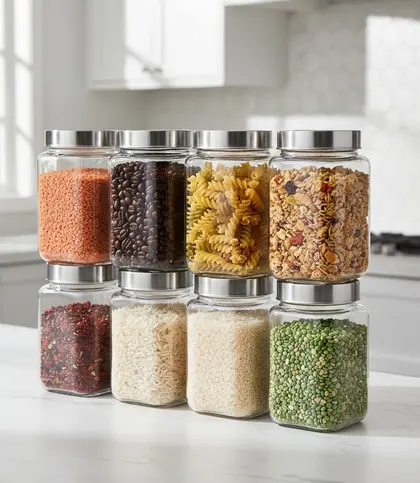
For modest portions, the Caffeine Station Airtight Jar, 300 mL Each, Set Of Three, and the Winston Airtight Storage Jar, 350 mL Each, Set Of Four, are compact glass options. The Miros Storage Jar, 400 mL Each, Set Of Six, offers a little more room for a household portion. Choose the Reveto Storage Jar with Metal Lid, 710 mL Each, Set of Three, or the ClearNest Glass Jar, 1000 mL Each, Set Of Six, only when an authority-led recipe and your refrigerator space support a larger quantity.
- Use sound garlic with no mould, soft spots, or damage.
- Keep the jar, lid, and utensils clean and thoroughly dry.
- Choose a small or medium glass jar for a manageable portion.
- Use larger jars only for a recipe-led quantity you can refrigerate and use as directed.
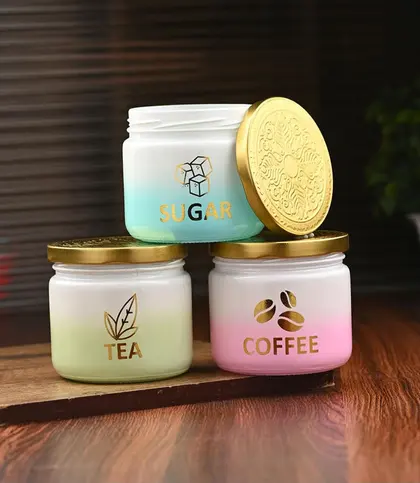
₹284
₹818
65%OFF
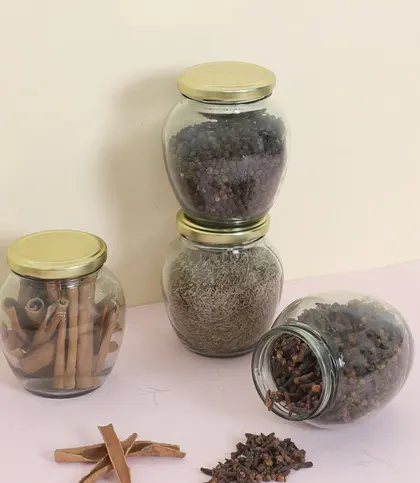
₹284
₹821
65%OFF
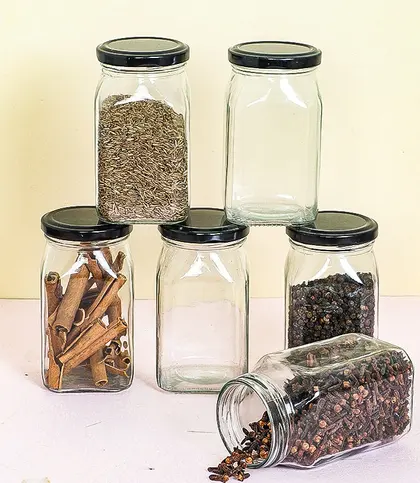
₹379
₹1,606
76%OFF
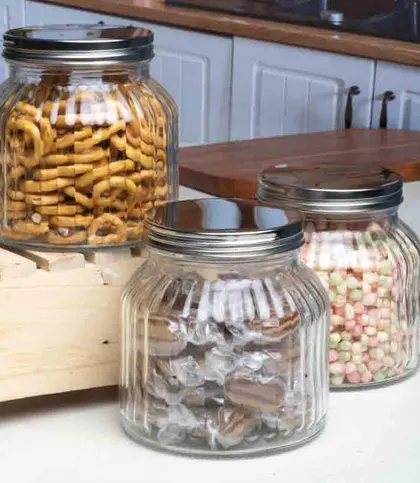 FastDelivery
₹799
₹1,105
28%OFF
₹1,399
₹2,499
44%OFF
Before You Prepare Honey Garlic
A general assembly sequence is not a validated preservation method. Do not treat instructions such as covering cloves with honey, sealing a jar, refrigerating it, or releasing pressure as a complete safety protocol for an edible batch.
Before preparing honey garlic for consumption, find a recipe from a recognised food-safety agency, university extension service, or preservation authority. It should identify the ingredients and proportions, explain the method, state whether refrigeration is required, and give a defined use-by period.
Follow that source exactly. Do not substitute ingredients, add water, change the garlic-to-honey balance, or infer a storage life from another recipe. Keep the jar, lid, utensils, hands, and work surface clean and dry, and label the contents and date as part of good kitchen organisation.
- Use only a source that states ingredients, method, storage, and a use-by period.
- Do not treat social-media or unsourced fermentation directions as validated preservation guidance.
- Do not change proportions or add water unless the authority-led recipe instructs you to do so.
- Label the jar clearly and follow the source’s storage directions.
How to Store the Jar Conservatively
Follow the storage directions and use-by period from the validated recipe you chose. If it directs refrigeration, keep the jar upright in the refrigerator and avoid leaving it at room temperature.
Use a clean, dry utensil rather than fingers, close the lid promptly, and keep the date visible. These habits limit avoidable contamination and make it easier to track the jar’s handling history.
Refrigeration, a tight lid, and an ordinary appearance are not proof that an untested mixture is safe. Do not replace an authority-led storage instruction with a generic timeline, smell check, or assumption that honey makes raw garlic safe indefinitely.
- Follow the recipe’s storage directions and stated use-by period.
- Refrigerate whenever the recipe directs refrigeration.
- Use clean, dry utensils and close the lid promptly.
- Discard rather than guess if storage history is incomplete or uncertain.
Normal Changes Versus Spoilage Warning Signs
Honey may become thinner around the cloves, garlic can shift slightly in colour, and bubbling can occur. None of these changes proves that fermentation is controlled or that the contents are safe; an unchanged jar is not proof of safety either.
Discard the entire contents for mould or fuzzy growth, slime, leaking, a damaged or bulging lid, suspicious pressure, persistent or unusual bubbling, rotten or strongly off odours, or any appearance that concerns you. Do not scrape away mould and keep the remainder.
If you cannot confirm that the jar was prepared and stored according to an authority-led recipe, or if it has passed that recipe’s use-by period, discard it without tasting. Sensory checks cannot identify every hazard.
- Mould, slime, leaks, lid damage, or a rotten odour mean discard.
- Pressure or unusual bubbling means do not use the jar.
- Never taste a questionable batch to test it.
- When the condition or history is uncertain, discard it.
Kitchen Uses After a Recipe-Led Safety Check
Use honey garlic only if it was made and stored according to a validated recipe and remains within that source’s stated use-by period. Where that recipe permits it, the mixture can add sweet-savoury garlic flavour to cooked stir-fry sauces, glazes, marinades, pan sauces, noodles, grains, or roasted-vegetable sauces.
Take only the amount needed with a clean utensil and return the jar to the refrigerator promptly. Cooking may be part of an intended dish, but it does not correct a questionable, improperly stored, expired, or unvalidated batch.
Do not use an unvalidated jar in uncooked or ready-to-eat foods such as dressings, dips, or toast. A normal smell, clean utensil, or familiar appearance does not establish that the mixture is safe for those uses.
- Use only batches made under validated directions.
- Follow the source’s intended serving and cooking guidance.
- Return the jar to refrigeration promptly after use.
- Do not rely on cooking to make a questionable batch safe.
Quick Safety Checklist
A small glass jar is a practical choice only when you have validated directions for an edible batch and can follow their storage instructions. Select sound garlic, use the specified honey, keep equipment clean and dry, and label the preparation date.
Do not assume an airtight lid makes raw garlic and honey shelf-stable. Reject any jar with mould, slime, leaks, suspicious pressure, lid damage, rotten odour, or an uncertain storage history, and never taste it to decide.
- Choose a validated recipe from a recognised authority before preparing an edible batch.
- Use sound garlic, specified ingredients, and a clean, dry glass jar.
- Label the date and follow the source’s storage and use-by instructions.
- Use clean utensils to avoid cross-contamination.
- Do not assume airtight packaging creates shelf stability.
- Discard for spoilage signs or any uncertainty.
Final Verdict
- Honey garlic can be a useful sweet-savoury ingredient, but this article is not a validated preservation recipe and does not set a safe storage life.
- Choose a clean glass jar that suits a modest, recipe-led quantity, and follow storage and use-by instructions from a recognised food-safety, university-extension, or preservation authority.
- A tight lid, refrigeration, ordinary appearance, or cooking cannot make a questionable, expired, improperly stored, or unvalidated batch safe. When in doubt, discard it without tasting.
FAQs
What ingredients do I need for honey garlic in a jar?
Use only the garlic, honey, and any additional ingredients specified by a validated recipe from a recognised food-safety, university-extension, or preservation authority. Garlic and honey are common components, but do not add water or alter proportions unless that source specifically directs it.
What type of jar is best for honey garlic?
Choose a clean, dry, food-safe glass jar with a secure lid and enough headspace for the validated recipe. A small or medium jar is usually easier to monitor and refrigerate. Jar size and airtightness do not make raw garlic and honey shelf-stable.
How do you make honey garlic in a jar step by step?
This article does not provide a step-by-step edible recipe because no specific validated honey-garlic formulation is linked here. Use directions from a recognised food-safety agency, university extension service, or preservation authority that specifies ingredients, proportions, method, storage, and a use-by period. Do not rely on social-media or unsourced fermentation instructions.
How should honey garlic in a jar be stored?
Store it exactly as the validated recipe directs. When refrigeration is specified, keep the jar upright in the refrigerator, use clean dry utensils, close the lid promptly, and keep the preparation date visible. Refrigeration alone does not validate an untested mixture.
How long does honey garlic last in a jar?
Do not rely on a generic storage timeline for raw garlic and honey. Use only the use-by period and storage conditions given by a validated recipe. Labelling, refrigeration, and sensory inspection alone cannot establish a safe duration for an untested batch.
Is bubbling in honey garlic normal?
Bubbling can occur, but it does not prove the mixture is safe or that fermentation is controlled. Persistent or unusual bubbling, pressure, leaking, or other concerning changes mean the contents should be discarded. No bubbling does not establish safety either.
How can I tell if honey garlic has spoiled?
Discard it for mould, fuzzy growth, slime, leaking, a damaged or bulging lid, rotten or strongly off odours, suspicious pressure, or any concerning appearance. Do not taste it to check. An uncertain, improperly stored, expired, or unvalidated batch should also be discarded.
How can honey garlic be used in cooking?
Use it only when it was prepared under validated directions and remains within the stated use-by period. Depending on the source’s intended use, it may flavour cooked sauces, glazes, marinades, noodles, grains, or roasted-vegetable sauces. Cooking does not make a questionable batch safe.