

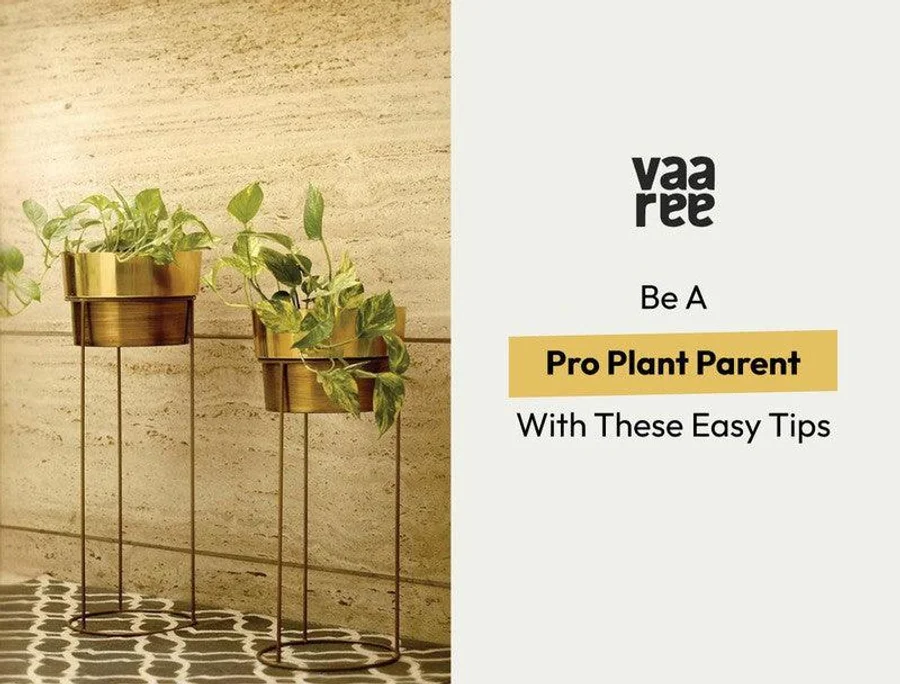
Lack of knowledge holding you back from owning a flourishing garden? Don’t let inexperience hold you back. These practical gardening tips and tricks can help you begin with confidence.
Read on and reward yourself with a beautiful garden
1. Sunny Side Up
Not the eggs—we are talking about location here. A useful starting point is to choose a spot with the light your chosen plants need. Many flowering and food-growing plants need several hours of direct sun, while other plants prefer gentler or indirect light. Consider wind exposure too, as strong winds can damage young plants and make pollination harder.
2. Pick the Plants
One of the easiest home gardening tips for beginners is to choose plants suited to your local climate, season and available light. If sowing seeds feels intimidating, start with saplings for a head start. Snake plants, cactus, aloe vera, bamboo and other low-maintenance choices can be worth considering, depending on the conditions you can provide.
3. Know the Season
Those new to gardening are often unaware that plants have preferred sowing and planting seasons. Planning too early or too late can expose plants to weather conditions that may not suit their growth. Check the seed packet or plant label for timing guidance relevant to your location.

4. Sowing Care
Following the instructions on a seed packet is one of the best plant care tips for beginners. Seed depth varies by plant, so use the directions for the particular seed rather than applying one rule to every variety. Cover seeds as directed so they are not left exposed.
When transplanting a sapling, prepare a hole appropriate to its root ball and the planting instructions. Water after planting if the plant and soil conditions call for it, then monitor moisture as the plant settles in.

5. Feed Them Well
There may be plenty of gardening tips and tricks for beginners, but there are no shortcuts to understanding your soil. Remove rocks and loosen compacted soil where appropriate. Adding organic compost periodically can help improve soil structure; use it according to the needs of your plants and the soil you have.

6. Get Those Tools
Just as a toolbox helps with small tasks around the house, a basic gardening kit can make getting started easier. Pruning scissors, a spade, a trowel, gloves and a watering can are useful additions over time. Choose tools according to the size of your garden and the jobs you expect to do.
7. Water Them Right
Water is essential for plants, but too much or too little can cause problems. Water slowly enough for it to reach the root area, then check the soil before watering again. If the soil is still moist below the surface, wait before adding more water.
Watering needs vary with the season, climate, soil, container size and plant type. Plants may need closer attention during intense heat, while rainy or cooler periods can call for less frequent watering. Succulents, for example, generally need a different watering routine from many leafy plants. Check the care guidance for each plant.
8. Containers Are Your Friends
Growbags and containers can be helpful for beginners, especially in balconies and compact outdoor spaces. They make it easier to place plants where light is suitable and to manage the growing medium. Choose a planter that suits the plant’s current size and growing needs, and check the product page for dimensions and whether you need a separate nursery pot or saucer.

From ₹399
₹599
32%OFF
 FastDelivery
₹821
₹1,799
54%OFF
 FastDelivery
From ₹419
₹1,259
69%OFF
These gardening tips for beginners can help you build a steady routine. Observe how each plant responds to its location, soil and watering schedule, then adjust your care accordingly.
Frequently Asked Questions
1. What are some basic gardening tools every beginner should have?
Some useful basic tools include:
- Watering can
- Spade or hand trowel
- Gloves
- Pruning scissors
2. How often should I water my plants?
Watering frequency depends on:
- Climate and season
- Plant type
- Soil or potting mix
- Whether the plant is growing in the ground or a container
Check the soil and follow the care guidance for your particular plant rather than watering on a fixed schedule.
3. What are the best plants for beginners to grow?
Beginner-friendly options can include:
- Succulents such as cactus and aloe vera
- Snake plant
- Jade plant
- Spider plant
The best choice still depends on the light, temperature and care routine you can provide.
4. When is the best time to plant seeds or seedlings?
The best time depends on your location and the plant you are growing. Many plants are started in spring, but always check the seed packet, plant label or local seasonal guidance before sowing or transplanting.
5. How do I maintain healthy soil for my garden?
A few practical soil-care habits are:
- Add compost or other organic matter when appropriate
- Avoid compacting the soil
- Remove rocks and debris from planting areas
- Rotate crops where relevant in vegetable beds
Explore planter options
Browse planters for indoor corners, balconies and garden spaces, and compare sizes before choosing.


Keep exploring