


Dustbin Waste Management: Set Up the Right Home System
Quick Answer
The right home dustbin system starts with one appropriately sized covered kitchen bin, then adds small bins only in rooms that regularly generate waste. Keep wet waste separate from dry or recyclable materials where practical, use a separate lined option for sanitary waste, and choose bins that are easy to place, empty, wash, and maintain.
Definitions
Wet waste
Moist or food-related household waste that can develop odour quickly, such as kitchen scraps and used food remnants.
Dry waste
Generally non-moist household waste such as clean packaging, paper, and other everyday discards.
Recyclable waste
Materials that may be accepted for recycling when clean, dry, and suitable under the relevant local collection system.
Sanitary waste
Personal-use hygiene waste that should be wrapped securely and kept separate from everyday dry or recyclable waste where appropriate.
Bin capacity
The approximate volume a dustbin can hold, usually expressed in litres; the useful capacity may be lower when a liner is tied before the bin is full.
Dustbin Waste Management: Set Up the Right Home System
An effective household dustbin system is not about putting a bin in every room. It balances waste volume, room use, capacity, placement, separation, hygiene, and the effort needed to empty and clean each bin.
For many homes, a sensible starting point is one main kitchen bin, smaller bins in regularly used bathrooms or bedrooms, and a separate option for dry or recyclable waste if everyone can keep it clean and dry. The ideal arrangement changes with cooking frequency, household size, pets, guests, and how often waste is collected or taken out.
- Start with the places that produce the most waste, usually the kitchen and bathrooms.
- Add bins only when they make disposal more convenient and prevent waste from being left on surfaces.
- Choose a system that every household member can follow without confusion.
Start by Assessing Household Size, Rooms, and Waste Volume
Before choosing bin sizes or styles, observe how waste moves through your home. Household size matters, but so do occupied rooms, work-from-home routines, children, visitors, pets, and the amount of cooking done each day.
Track liner changes or filled waste bags for several days. This gives a more useful picture than choosing a bin based only on the number of people at home. Also note where waste is actually generated: the kitchen, bathrooms, bedrooms, utility area, balcony, and work area may each have different needs.
- Use greater capacity and easier access in high-volume or wet-waste areas.
- Use compact bins in low-volume spaces with limited floor area.
- Consider a larger temporary collection point only if it will be emptied consistently.
- Review the setup if bags overflow, bins remain unused, or waste is carried inconveniently across the home.
How Many Dustbins Does a Household Need?
There is no fixed number that suits every household. A small home may work well with one kitchen bin and one or two small bins in bathrooms or bedrooms that generate regular waste. A medium household may benefit from a main kitchen bin, a separate dry or recyclable waste bin, and small room bins only where they are useful.
In a large or busy household, a larger kitchen or utility-area bin may reduce overflow, while a dedicated dry-waste option can make sorting easier. Avoid adding a bin simply because there is an empty corner; an extra bin is useful only if it is easy to empty and clean.
A separate sanitary-waste bin can be practical in a bathroom. Keep it lined, use a lid where suitable, wrap sanitary waste securely, and empty it regularly.
- Small household: kitchen bin plus one or two small bins where waste regularly appears.
- Medium household: main kitchen bin, separate dry-waste option, and selected room bins.
- Large or busy household: larger high-use bin, dry-waste option, and additional compact bins in frequently used rooms.
- Choose the fewest bins that keep disposal and sorting convenient.
Sold Out
₹349
₹1,899
82%OFF
 FastDelivery
₹399
₹1,899
79%OFF
Match Dustbin Sizes to Each Room
Match bin capacity to the type and volume of waste produced in each room. The kitchen usually needs the most accessible and substantial bin because food preparation creates frequent waste. Bathrooms and bedrooms generally need less capacity, while a utility area can serve as a temporary consolidation point when this fits the household routine.
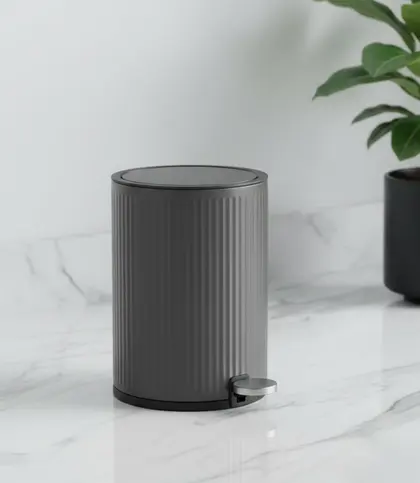
A very small format, such as 3 L, can suit low-volume bathroom waste. An 8 L or larger format may be more practical for a kitchen or utility area, provided it fits the available space and can be carried comfortably to the disposal point.
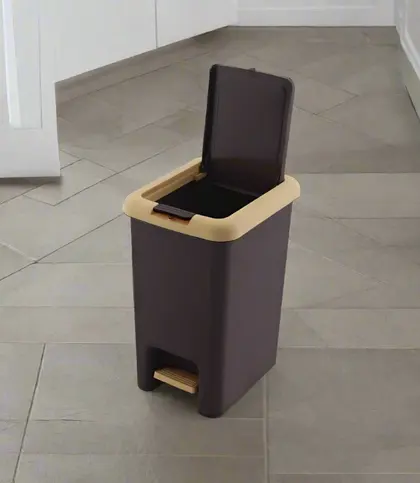
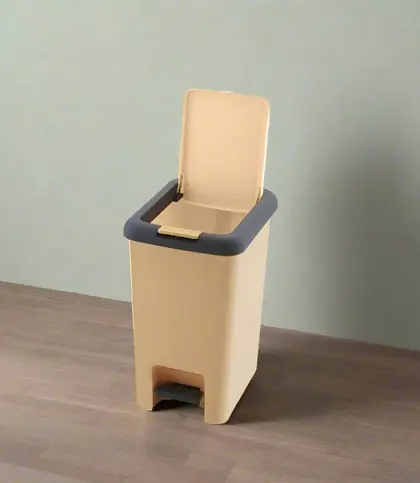
- Kitchen: choose a medium-to-large bin for daily waste; a lid or pedal is useful when wet waste is common.
- Bathroom: choose a small or slim bin for tissues, packaging, and sanitary waste; a lid can improve privacy and containment.
- Bedroom: choose a lightweight, compact bin for low-volume dry waste.
- Utility area: use a larger bin if it is a regular collection point before final disposal.
- Balcony: use a stable compact bin only when needed, and protect it from rain and direct sun.
₹2,039
₹2,799
27%OFF
₹2,599
₹3,599
28%OFF
Open, Lidded, or Pedal Bin: Which Format Is Better?
The best bin format depends on where it will be used and what goes into it. Open bins offer quick access and can suit clean, dry waste in low-risk areas, but exposed waste may be less suitable in kitchens and bathrooms. Lidded bins help conceal waste, limit accidental contact, and contain some odour when used and cleaned properly.
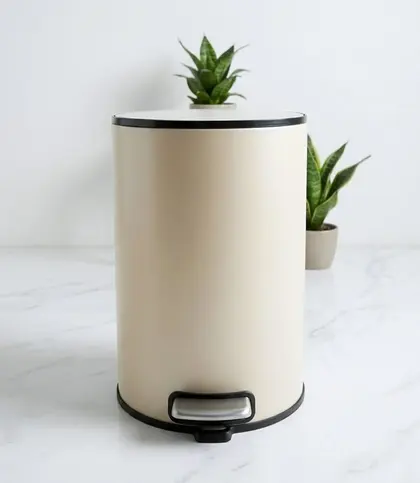
Pedal bins allow hands-free opening, which can be convenient near food-preparation areas or for wet and sanitary waste. Sensor-operated bins can also reduce lid contact, but they have added components and may require battery care. No format is automatically more hygienic; regular emptying and cleaning make the larger difference.
- Choose a stable base that will not tip during use.
- Look for a smooth interior that can be wiped and washed easily.
- A removable liner ring can help hold a bag in place.
- Make sure the opening is wide enough for the waste the bin is expected to handle.
- Check that a lid opens easily and does not collect residue around its edge.
Set Up Basic Wet, Dry, Recyclable, and Sanitary Waste Separation
A simple separation system makes household waste easier to manage. Keep wet or food-related waste apart from dry waste to reduce leakage, odour, and contamination. If your home has a suitable collection route, keep clean and dry recyclable materials separate as well.
Use a separate lined bin or clearly marked section for sanitary waste, and wrap it securely before disposal. Keep the system straightforward enough for every household member to follow. Collection schedules and accepted recyclable materials vary by location, so confirm local requirements before final disposal.
- Keep food scraps, moist tissues, and other wet items out of dry or recyclable waste.
- Keep recyclable materials clean and dry where local collection accepts them.
- Do not pour liquids into a dry-waste or recyclable stream.
- Clearly identify each bin or liner so sorting is not guesswork.
- Use household sorting as a practical routine, not as a substitute for local disposal guidance.
Choose Liners and Materials That Suit the Routine
A well-fitted liner helps make emptying cleaner and faster. Choose one that reaches the rim and base without excessive slack, slipping, or exposed edges. Wet waste may need a stronger, leak-conscious liner, but no liner prevents every leak if it is overfilled or used with sharp or heavy waste.
Plastic bins are lightweight and easy to move, while metal bins can offer a more substantial finish in visible areas. Rather than treating one material as inherently better, prioritise a smooth washable interior, durable construction, and resistance to moisture where the bin will be used.
- Do not overfill liners; leave enough room to tie and lift them safely.
- Choose a bin shape that allows the liner to sit securely around the rim.
- Use slim formats for narrow gaps and compact rooms.
- Select a finish that suits visible spaces, but keep cleaning access as the main priority.
- Dry the bin fully before fitting a fresh liner.
Place Dustbins to Control Odour and Simplify Disposal
Place bins close to where waste is produced, while keeping movement through the room clear. In the kitchen, position the main bin near the food-preparation or cleaning zone without blocking drawers, appliance doors, or walkways. In bathrooms, keep bins close to the toilet or vanity but away from splash zones where possible.
Odour control is mostly a matter of managing wet waste promptly. Keep bins away from direct sun, hot appliances, damp corners, and poorly ventilated enclosed spaces. Use a lid where appropriate, tie liners securely, clean spills quickly, and keep the floor around the bin dry.
- Choose a location that does not require awkward bending, lifting, or carrying.
- Keep bins away from food-preparation surfaces.
- Avoid placing bins where doors, drawers, or appliances will strike them.
- Use a utility-area bin only if it will be emptied frequently.
- Check that the bin can be moved to the disposal point without dragging or spilling.
Create a Simple Emptying and Cleaning Routine
Empty wet or food waste daily, or sooner when there is leakage or noticeable odour. Dry-waste and bathroom bins can be emptied according to use, but should not be allowed to become overfilled. A routine based on waste type is more reliable than waiting for every bin to be completely full.
When changing a liner, tie and remove it carefully, wipe any spills immediately, and inspect the base, lid, pedal, handle, or sensor area for residue. Wash the bin with suitable soap and water, rinse it, and dry it fully before adding a new liner. Follow the product care guidance for moving parts and avoid mixing cleaning chemicals.
- Remove wet waste promptly if it smells or leaks.
- Wipe the lid edge and bin base during regular cleaning.
- Do not close and store a damp bin, as trapped moisture can worsen odour.
- Check liners for slipping, tears, and overfilling.
- Reassess the setup after a week and adjust capacity, placement, or quantity as needed.
A Quick Dustbin Setup Checklist
Use this checklist to build a practical system without overcomplicating it.
- Main kitchen bin: covered or pedal-operated and sized for the household’s daily wet and mixed waste.
- Dry or recyclable waste: separate, clearly identified, and kept dry where practical.
- Bathrooms: small, lined, and covered when privacy or sanitary waste is a concern.
- Bedrooms and balconies: compact bins only where they prevent waste from accumulating.
- Liners: correctly fitted, leak-conscious, and changed before they are overfilled.
- Placement: accessible, stable, and away from heat and splash zones.
- Routine: wet waste removed frequently; bins cleaned, dried, and checked for leaks.
The Best Home Dustbin System Is the One You Can Maintain
Start with the kitchen and bathrooms, then add bins only where room use makes them worthwhile. Prioritise practical capacity, clear sorting, manageable emptying, and easy cleaning over decorative features or an overly complex setup.
A layered system usually works best: one covered kitchen bin, a separate dry or recyclable option if your household can maintain it, and compact room bins where needed. Adapt the arrangement to your space, household habits, and local disposal arrangements.
- Choose capacity based on actual waste, not assumptions.
- Keep separation simple and clearly labelled.
- Place bins near use points without obstructing the room.
- Empty wet waste frequently and clean bins regularly.
Choose bins for your home system
Compare capacity, lid operation, cleaning access, and dimensions for each waste station. Match the bin to your local segregation requirements rather than relying on appearance alone.

Final Verdict
- Begin with one appropriately sized covered or pedal-operated kitchen bin, then add a separate dry or recyclable waste option only if it can be kept clean and dry.
- Use small covered bins in bathrooms where sanitary waste or privacy makes them useful, and add bedroom or balcony bins only when they prevent waste from accumulating.
- Choose liners and materials for fit, washing, and leak control, then place bins near points of use but away from heat and splash zones.
- The best choice is the smallest practical system your household can sort, empty, and clean consistently.
FAQs
How many dustbins does a household need?
Most homes need one main kitchen bin and small bins only in rooms that regularly generate waste. Add a separate dry or recyclable waste bin if everyone can keep that stream clean and dry. The right number depends on waste volume, room use, and how often bins are emptied.
Which dustbin size is best for a kitchen?
Choose a size that holds your household's usual daily waste without overflowing before disposal. Homes that cook frequently generally need more capacity than homes with little food preparation. Measure the available floor or cabinet-adjacent space before choosing a bin.
Should bathroom dustbins have lids?
A lid is often useful in bathrooms for privacy, limiting accidental contact, and containing some odour. It is particularly practical when the bin is used for sanitary waste. The bin should still be lined, emptied regularly, and cleaned when needed.
How should wet and dry waste be separated at home?
Keep food scraps and other moist waste in a separate bin or liner from dry household waste. Keep recyclable materials apart only when they are clean, dry, and accepted by your local collection system. Wrap sanitary waste securely and keep it separate where appropriate.
Where should dustbins be placed to reduce odour?
Keep the kitchen bin near the preparation or cleaning zone, but away from heat, direct sun, and food-preparation surfaces. Place bathroom bins near the toilet or vanity and away from splash zones. Removing wet waste promptly has the greatest effect on odour.
Are pedal bins more hygienic than open bins?
Pedal bins can reduce the need to touch the lid, which is convenient for wet waste, food-preparation areas, and bathrooms. However, hygiene also depends on how often the bin is emptied, whether spills are cleaned, and whether the lid, pedal, and interior are maintained.
How often should household dustbins be emptied?
Empty wet or food waste daily, or sooner if there is leakage or odour. Empty bathroom and dry-waste bins before they become overfilled. The best frequency depends on the waste type, bin capacity, household activity, and disposal routine.
How do you clean a household dustbin?
Remove the liner, clear visible residue, wash the interior and exterior with suitable soap and water, rinse, and dry fully before fitting a new liner. Wipe the lid edge, base, pedal, handles, and sensor area as applicable. Do not mix cleaning chemicals.