


Cutlery Set Buying Guide For Indian Homes
Short answer: Choose cutlery by daily eating habits before buying a large set. Indian homes often need more spoons than forks, plus a few serving spoons if guests are common. Stainless steel is the safest everyday material because it is durable, washable, and easy to match later.
Count What You Actually Use
Open your cutlery drawer before buying.
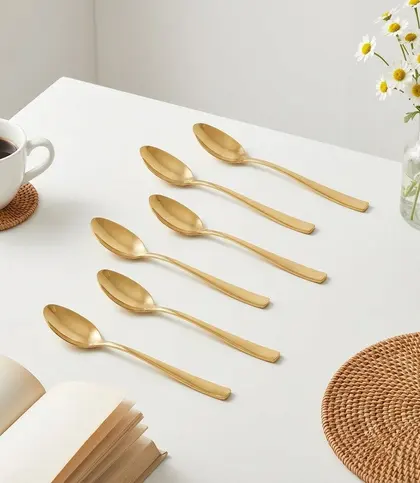
- Dinner spoons: useful every day for rice, dal, curd, and desserts.
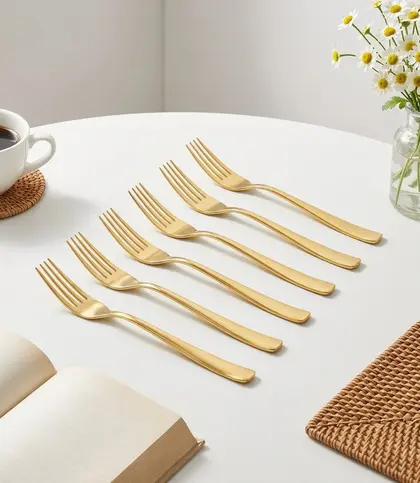
- Forks: useful for pasta, snacks, salads, and hosting.
- Dessert spoons: helpful but not always essential.
- Serving spoons: needed if food is served at the table.
- Extra pieces: useful for guests and delayed dishwashing.
If spoons run out before forks, buy spoon sets first instead of a decorative mixed set.
Weight And Finish
Good cutlery should feel balanced in hand. Very thin pieces can bend or feel cheap. Very heavy pieces may be uncomfortable for daily meals. A simple stainless finish is easiest to match with future additions and most dinner sets.
When To Buy A Full Set
Buy a full set when setting up a new kitchen or replacing mismatched cutlery. Buy individual spoon or fork sets when only one type is missing. This keeps the drawer useful instead of crowded.
Common Mistakes
- Buying too many forks and not enough spoons.
- Choosing unusual finishes that are hard to match later.
- Ignoring dishwasher and cleaning habits.
- Buying very light cutlery that bends easily.
Quick Checklist
- [ ] Spoons match daily meal habits.
- [ ] Forks and knives suit actual use.
- [ ] Material is durable and easy to wash.
- [ ] Weight feels comfortable.
- [ ] Set can be expanded later.
Quick Answer
- Choose cutlery by the job it must do first, then by style.
- Measure the actual spot before buying; most mistakes come from poor fit.
- Pick easy-care materials for daily use and more decorative finishes for occasional or guest-facing use.
- If two options both look good, choose the one that makes the room easier to use in five minutes.
Definitions
- cutlery: Cutlery should feel balanced in hand, suit everyday cleaning, and match how many people usually eat at home.
Before You Buy
Check where cutlery will actually be used. Measure the available space, check cleaning or storage effort, and think through how people move around it. If it creates a new inconvenience, choose a simpler or better-fitting option.
Product Picks That Fit The Decision
These picks show how the buying logic applies to real Vaaree options. Compare them by use case, size, material, finish, and where they will sit in the home.
- Use Caviar Stainless Steel Dinner Spoon - Set of Six as a dinner spoon set example.
- Compare Caviar Stainless Steel Fork Set - Set of Six as a fork set example.
- Consider Curvesome Cutlery - Set Of Five as a small mixed cutlery set example.
₹1,049
₹1,135
8%OFF
₹1,049
₹1,135
8%OFF

₹999
₹3,390
71%OFF
Final Verdict
- Choose the simplest option for cutlery when daily use, cleaning, or space is the main concern.
- Choose the more decorative option when the room already works and needs warmth, texture, height, or personality.
- Combine products only when each one has a different job; the best home decisions make the room easier to live in, not just fuller.
FAQs
What cutlery is best for daily use?
Stainless steel is the easiest everyday choice for durability and cleaning.
Should I buy a full cutlery set?
Buy a full set for a new kitchen. If you already have basics, fill the missing type first.
How many spoons should a family have?
Keep more spoons than daily eaters so you have enough for cooking, serving, guests, and delayed washing.
What should I check before buying cutlery?
Check size, material, placement, cleaning effort, and how often it will be used. The right choice should make the room easier to live in, not just better in photos.
How do I choose cutlery for daily use?
Start with the daily routine, then narrow by size, finish, and maintenance. The better choice is the one that fits the room without adding a new cleaning, storage, or movement problem.