


Clay Diya in English: Which Term Should You Use?
Quick Answer
“Clay oil lamp” is the clearest general English translation for a clay diya. Use “earthen lamp” for a traditional material-led tone, “terracotta diya” when the item is specifically made of terracotta, and “diya” when cultural context or familiar shopping language matters.
Definitions
Clay oil lamp
A clear English description of a small lamp made from clay and designed to hold oil and a wick. It is usually the best direct translation for a clay diya.
Earthen lamp
A traditional-sounding English term for a lamp made from fired earth or clay. It highlights the material and heritage character more than the lamp’s oil-and-wick function.
Terracotta diya
A diya made from terracotta, a fired clay material. It combines the culturally specific word “diya” with a material-specific product description.
Diya
The commonly used South Asian term for a small lamp, typically associated with an oil-and-wick format. It can remain untranslated when cultural context or shopping familiarity is important.
What Is a Clay Diya Called in English?
The clearest general English term for a clay diya is “clay oil lamp.” It tells an unfamiliar reader both what the object is made from and what it is used for.
That said, “diya” does not always need to be translated. In an Indian home, festive, prayer-area, or decor context, “clay diya” is often more natural because it preserves the identity of the object rather than describing only its function.
For a plain translation, choose “clay oil lamp.” For decor and shopping descriptions, “clay diya” or “terracotta diya” may be the better fit when the material is accurately identified.
- Use “clay oil lamp” when clarity for a broad English-speaking audience is the priority.
- Use “clay diya” when the cultural term is relevant and likely to be understood.
- Use “terracotta diya” only when the product is specifically described as terracotta.
Clay Oil Lamp, Earthen Lamp, Terracotta Diya, or Diya?
These terms overlap, but each puts the emphasis in a slightly different place. Choosing the right one depends on whether the reader needs a translation, a material description, or culturally familiar wording.
- “Clay oil lamp” is the clearest option for readers who may not know the word “diya.” It prioritises material and function.
- “Earthen lamp” suits traditional, literary, or material-led writing. It can sound less specific about an oil-and-wick format.
- “Terracotta diya” is useful in product titles and decor descriptions when the material is confirmed as terracotta.
- “Diya” works best where cultural familiarity, festive context, or established shopping language is important.
- Terracotta and clay are related but not identical labels in every description: terracotta generally refers to fired clay.
Which Term Should You Use in a Translation?
Use “clay oil lamp” when the reader needs the meaning immediately and has no cultural background for the word “diya.” It is direct, natural English and usually communicates the object accurately.
Choose “earthen lamp” when the original wording stresses traditional material, handmade character, or an old-fashioned tone. It is evocative, but may not make the oil-and-wick function as clear on its own.
When cultural specificity matters, retain the original term with a brief explanation. For example, “a clay diya, or traditional oil lamp” introduces the word while keeping the meaning accessible.
If the surrounding text already refers to an Indian home tradition, festival, or prayer area, a rigid literal translation can sound less natural than simply using “diya.”
- General translation: “clay oil lamp.”
- Traditional material emphasis: “earthen lamp.”
- Cultural specificity: “clay diya, or traditional oil lamp.”
How Should You Use the Term When Shopping?
Different catalogues may use different names for closely related items, so it helps to search with more than one phrase. “Clay diya,” “terracotta diya,” and “clay oil lamp” can all be useful search terms depending on the wording used in a listing.
“Terracotta diya” is especially clear when terracotta is listed as the material. Keep material claims precise: do not use “terracotta” as a substitute for “clay” unless the product information supports it.
Add practical details separately from the core name. For instance, describe size, set quantity, style, or intended placement as separate qualities, such as a small traditional diya for an entryway or prayer area. Catalogue examples show that “terracotta diya” is understandable English shopping language for both individual pieces and sets.
- Start with “clay diya” or “terracotta diya” for culturally familiar product language.
- Try “clay oil lamp” when looking for a plain-English functional description.
- Check the listed material before describing an item as terracotta.
- Keep size, quantity, and placement details separate from the item name.
How Should You Describe a Diya in Home Decor and Festival Contexts?
In festive decor, Indian home styling, gifting, and prayer-area descriptions, keeping the word “diya” is often the clearest choice. The term identifies the cultural object, while “oil lamp” alone can feel overly general.
Combining terms is useful when writing for a mixed audience. Phrases such as “traditional terracotta diya,” “clay diya for festive decor,” and “clay oil lamp for a traditional display” balance familiarity with explanation.
Keep the description focused on the object and its placement. There is no need to turn a simple product or decor description into broad festival guidance.
- Use “diya” when the cultural object is central to the description.
- Pair it with “clay” or “terracotta” when the material is confirmed.
- Add “traditional oil lamp” only when readers may need a short explanation.
A Brief Safety Note for Oil Lamps
A diya used as an oil lamp involves oil, a wick, heat, and an exposed flame. Place a lit diya on a stable, heat-safe surface, away from curtains, paper, children, pets, and other flammable materials.
Do not leave an open flame unattended, and follow any product-specific safety information supplied with the item.
Quick Wording Recommendations
There is no single term that is best in every situation. Match the wording to what the reader needs to understand: direct meaning, material detail, shopping language, or cultural context.
- For translation: “clay oil lamp.”
- For traditional, material-led writing: “earthen lamp.”
- For a material-specific decor or shopping listing: “terracotta diya.”
- For festive, cultural, or Indian-home context: “diya,” optionally followed by “traditional oil lamp.”
- For the most versatile combined phrase: “traditional clay diya, or clay oil lamp.”
Shop using the term terracotta diya
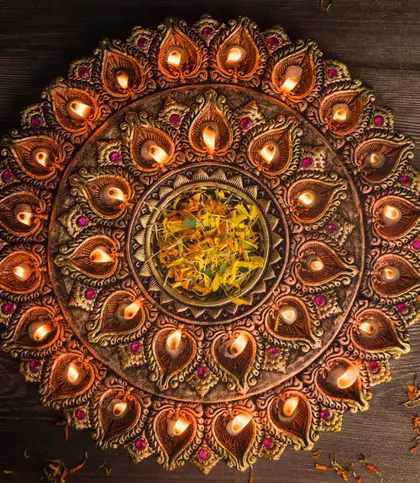
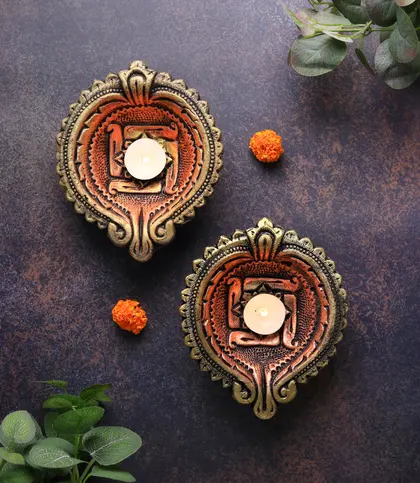
These current products are explicitly listed as terracotta diyas, making them useful examples of the shopping term discussed above. Compare the individual product page for dimensions, piece count, intended fuel or candle format, and care instructions.
Keep every flame on a stable heat-resistant surface, away from draughts and flammable materials, and never leave a lit diya unattended around children or pets. A product listing is not a fire-safety certification.

₹903
₹1,700
47%OFF
₹1,853
₹5,000
63%OFF
₹494
₹900
45%OFF
Final Verdict
- Use “clay oil lamp” as the clearest neutral English translation of a clay diya.
- Choose “earthen lamp” for a more traditional, material-focused tone.
- Use “terracotta diya” only when terracotta is the confirmed material.
- Keep “diya” in cultural, festive, Indian-home, and familiar shopping contexts where the word adds useful meaning.
FAQs
What is a clay diya called in English?
A clay diya is most clearly called a “clay oil lamp” in English. In cultural or decor contexts, “clay diya” is also natural and often more specific.
Is “clay oil lamp” or “earthen lamp” the better translation?
“Clay oil lamp” is usually better for a direct, clear translation because it identifies both the material and function. “Earthen lamp” is better when you want a traditional or material-led tone.
When should the word “diya” remain untranslated?
Keep “diya” when writing about Indian home decor, festive settings, gifting, or a prayer area. You can add “traditional oil lamp” after it if the audience may need clarification.
Does “terracotta diya” mean the same thing as “clay diya”?
A terracotta diya is a type of clay diya made from terracotta, which is fired clay. Not every clay diya should be labelled terracotta unless the material is confirmed.
How should the term be used in decor, festival, and shopping descriptions?
Use “diya” for cultural and festive context, and add “clay” or “terracotta” when the material is known. For shopping, try terms such as “clay diya,” “terracotta diya,” and “clay oil lamp,” depending on catalogue wording.