


Best Refrigerator Magnets: How to Choose the Right Type
Quick Answer
The best refrigerator magnets match the job: use compact, easy-to-handle magnets for light notes, a multi-magnet approach for several papers or photos, and decorative sets for visual appeal. Before choosing, confirm that your refrigerator surface is magnetic, inspect the backing for roughness, and consider size, safety and style.
Definitions
Holding power
The force a magnet can provide to keep an item against a refrigerator surface. Actual performance depends on the magnet, the surface, the distance between them, and the weight or number of items being held.
Magnetic refrigerator surface
A refrigerator panel that attracts a magnet strongly enough for it to stay attached. Not every refrigerator door or stainless-steel finish is magnetic.
Functional refrigerator magnet
A magnet selected primarily to hold notes, papers, photos, reminders or other lightweight items.
Decorative refrigerator magnet
A magnet selected mainly for its appearance, theme, colour or finish, with holding power treated as a secondary consideration.
Magnet set
A group of matching or coordinated refrigerator magnets sold together, useful for creating multiple display points or a consistent look.
Best refrigerator magnets: start with the job they need to do
There is no single best refrigerator magnet for every home. The right choice depends on whether you need to secure a shopping list, display family photos, organise papers or add personality to the kitchen.
Start by considering holding power, refrigerator-surface compatibility, material, size, safety and style. A decorative magnet can be ideal for a light display, while an everyday reminder board may need several practical magnets rather than one overloaded piece.
- For notes: choose compact magnets that are simple to place and remove.
- For photos and papers: use enough magnets to support the full display.
- For decor: prioritise a finish, theme and colour palette that suits the room.
- For mixed use: combine a few functional magnets with a coordinated decorative set.
Match the magnet to what you need to hold or display
For one or two lightweight notes, compact magnets are usually the most convenient option. They take up little room, can be repositioned easily and keep daily reminders visible without filling the door.
If you regularly display several sheets, children’s artwork or photos, avoid assuming one magnet will do everything. Use multiple magnets across the edges of the item, especially when it is handled often. This spreads the load and helps prevent curling or slipping.
When appearance is the main priority, choose a set that works with your kitchen’s existing colours and character. A playful food-themed set can add a cheerful touch, while a cultural motif can make the refrigerator part of a more considered display.
- Choose a single compact magnet for a short note or receipt.
- Use two or more magnets for wider papers and photo clusters.
- Choose a set when you need several matching display points.
- Keep decorative displays light unless the product description confirms suitability for a heavier use.
Compare holding strength, shapes, materials and sizes
Do not judge holding power by appearance alone. A large front, visible metal or a heavier-looking design does not automatically mean stronger magnetic performance. Check the product description for its intended use when that information is provided, and use more than one magnet whenever the display is substantial.
Flat, compact designs can sit neatly over papers and labels. Larger shapes may be easier to grip, particularly for someone who finds tiny pieces fiddly, but they also occupy more refrigerator-door space. Choose a size that is comfortable to handle without overwhelming the display.
Material affects the look and feel of a magnet more reliably than it indicates strength. MDF-style fronts can suit colourful printed designs, while metal designs can complement rustic, traditional or mosaic-inspired decor. With any decorative front, look closely at the quality and condition of the backing before use.
- Small magnets conserve space but may be harder to grip and easier to misplace.
- Medium-sized magnets often balance visibility with easy handling.
- Larger magnets can be easier to hold, but may be heavier and take up more display area.
- If magnets will be moved frequently, choose forms that are comfortable to lift rather than drag.
Check refrigerator surface compatibility and scratch risk
Before buying several magnets, test your refrigerator door with a spare magnet or consult the appliance specifications. Do not assume that every stainless-steel refrigerator door is magnetic: the finish, panel construction and location on the appliance can all vary.
Place magnets only on a clean, dry surface. Dirt trapped between the magnet and the door can rub against the finish, and dragging a magnet across the surface may increase the chance of marks. Lift it away before moving it to a new spot.
Inspect each magnet’s reverse side periodically. Rough edges, exposed metal, grit, damaged coatings or loose backing material are reasons to stop using it on a finished refrigerator door. Take extra care with glass-fronted appliances, decorative panels and unusual finishes.
- Test the intended area of the door, not just a different metal surface nearby.
- Clean both the door and magnet backing before placing it.
- Lift and reposition magnets rather than sliding them.
- Remove damaged magnets or those with rough, loose or dirty backings.
Consider child and pet safety before choosing small magnets
Small or detachable magnets should be kept away from young children and pets. If swallowed, magnets can cause a serious medical emergency, particularly if more than one is involved. Store loose magnets securely and keep damaged pieces out of reach.
A larger, securely constructed magnet may be a more manageable household choice where appropriate, but size alone does not make any item completely safe. Check that the decorative front and magnetic backing are firmly attached, and remove the magnet from use if either part becomes loose.
If you suspect that a child or pet has swallowed a magnet, seek urgent medical or veterinary advice. Do not wait for symptoms to appear.
- Avoid leaving loose magnets in low, easily accessible places.
- Check decorative pieces regularly for detachment or damage.
- Keep unused magnets in a secure container.
- Treat suspected magnet ingestion as urgent.
Choose between functional and decorative refrigerator magnet styles
Functional magnets are best for visible household organisation: shopping lists, appointment reminders, school notices and lightweight documents. Their role is to make essential information easy to see and update.
Decorative magnets are a simple way to bring colour, humour, travel memories or cultural references into the kitchen. For a calm look, choose a small number of complementary pieces. For a more expressive door, use colour and novelty motifs to create visual focal points.
A coordinated set generally looks more intentional than unrelated individual magnets. If the door also serves as an organisation hub, reserve one area for papers and another for decoration so that important notes do not disappear into visual clutter.
- Minimal styles suit tidy, low-clutter kitchens.
- Colourful styles can make reminders easier to notice.
- Traditional or rustic finishes can complement classic interiors.
- Sets are useful when you want a consistent theme across several spots.
A practical refrigerator magnet buying checklist
Use this checklist to narrow the choice quickly. The aim is not to find a universally strongest or most attractive magnet, but to choose one that works safely and appropriately on your particular refrigerator.
- Purpose: What will it hold or display: one note, several papers, photos or decoration only?
- Holding power: Is the stated or expected performance suitable for the weight and number of sheets?
- Compatibility: Is the intended refrigerator panel magnetic?
- Protection: Is the backing smooth, clean and free of rough or exposed edges?
- Size: Is it visible and easy to grip without taking unnecessary space?
- Safety: Could a small part detach or be reached by a child or pet?
- Style and quantity: Does the design suit the room, and do you need one magnet or a set?
- Budget: Does the construction, finish and number of pieces suit your intended use?
Which refrigerator magnets are best for you?
Choose compact functional magnets when your priority is lightweight notes and everyday reminders. For several papers, photos or frequently handled documents, use a stronger solution where verified or distribute the display across multiple magnets rather than relying on one piece.
Choose a decorative set when visual appeal is the main goal and the display load is light. Larger, easy-grip designs can be more convenient for regular use, provided they suit the available space and have a smooth backing.
Whichever style you prefer, check that the refrigerator surface attracts magnets, place each one on a clean dry area and keep small or damaged pieces away from children and pets.
- Best for notes: compact, simple magnets used on a magnetic surface.
- Best for paper clusters: several magnets placed around the item.
- Best for decor: coordinated sets chosen for finish, theme and colour.
- Best for easy handling: a comfortably sized design that can be lifted without dragging.
Compare decorative and functional fridge magnets
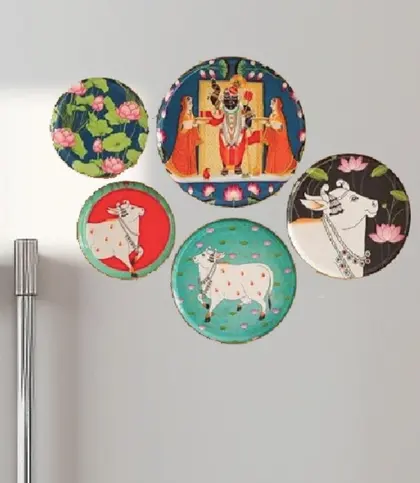
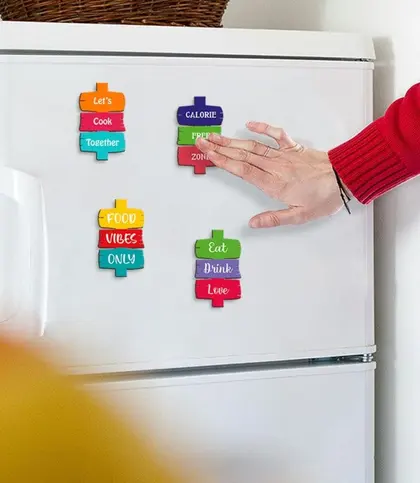
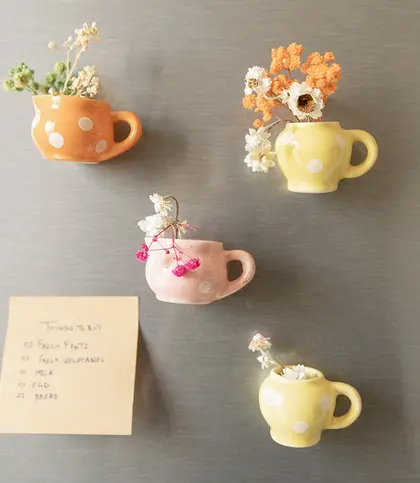
The sets below show decorative fridge magnets and a magnetic fridge planter. Choose by the job you need the magnet to do, then verify dimensions, piece count, mounting surface, care, and any small-part warnings on the product page.
A refrigerator door can look metallic without accepting magnets strongly. Test surface compatibility and do not infer holding strength or scratch protection from the design alone.
₹799
₹1,499
47%OFF
₹254
₹499
49%OFF
 FastDelivery
₹522
₹790
34%OFF

Final Verdict
- The best refrigerator magnet is one chosen for the task rather than its appearance alone.
- Prioritise reliable holding and surface compatibility when you need to display papers or reminders.
- Choose decorative sets for a coordinated kitchen look, but keep the load light unless their intended holding use is confirmed.
- Check backing condition and household safety before placing any magnet on the refrigerator.
FAQs
What are the best refrigerator magnets for holding notes?
Compact functional magnets are a practical choice for one or two lightweight notes. For a larger note or several sheets, use multiple magnets rather than overloading one.
How do I know if my refrigerator door is magnetic?
Test the intended section of the door with a spare magnet or check the appliance specifications. Stainless-steel finishes vary, so a stainless-steel door is not automatically magnetic.
Which refrigerator magnets have the strongest holding power?
Strength cannot be reliably judged from size, weight or appearance. Check product information where holding use is stated, and use several magnets for heavier or wider paper displays.
Can refrigerator magnets scratch the surface?
They can contribute to marks if the backing is rough, damaged or dirty, or if the magnet is dragged across the door. Keep the surface clean and lift magnets when repositioning them.
Are small refrigerator magnets safe around children and pets?
Small or detachable magnets can be dangerous if swallowed. Keep them out of reach, remove damaged pieces promptly and seek urgent medical or veterinary advice if ingestion is suspected.
What size refrigerator magnets are easiest to use?
Medium and larger designs can be easier to grip, while small magnets save space. Choose a size that the intended user can lift and reposition comfortably without dragging.
Should I choose decorative or functional refrigerator magnets?
Choose functional magnets for reminders, papers and photos. Choose decorative magnets when colour, theme and kitchen styling matter most. Many homes use both in separate zones on the door.
What materials are best for refrigerator magnets?
The best material depends mainly on the desired look and construction quality. MDF-style fronts can suit printed decorative designs, while metal can suit rustic or traditional styling; in every case, inspect the backing and confirm the magnet is suitable for the intended use.