


Best Cloth Hanger: How to Choose by Garment and Space
Quick Answer
The best cloth hanger depends on what you are storing. Choose shaped, sturdy wood or metal hangers for jackets, coats, and structured garments; slim non-slip hangers for everyday light clothing in compact wardrobes; padded hangers for delicate fabrics; and secure bars or protected clips for trousers and skirts. A mixed hanger system is usually more useful than one universal style.
Definitions
Hanger width
The usable shoulder-to-shoulder span of a hanger. It should broadly follow the garment’s shoulder width so fabric is supported without stretching or creating protruding marks.
Slim hanger
A low-profile hanger designed to occupy less rail depth and increase hanging capacity, often with a non-slip coating or surface.
Padded hanger
A hanger covered with soft padding or fabric to reduce sharp pressure points and help protect delicate or easily marked fabrics.
Non-slip hanger
A hanger with a textured, coated, velvet-like, or otherwise grippy surface intended to reduce garments sliding off.
Load capacity
The amount of garment weight a hanger can support reliably without bending, deforming, or becoming unstable.
What Is the Best Cloth Hanger? Start With the Garment
There is no single best cloth hanger for every item in a wardrobe. The right choice begins with the garment’s weight, shoulder construction, fabric and tendency to slip, then considers how much room you have on the rail.
A sturdy shaped hanger gives jackets, coats and tailored pieces more dependable shoulder support. A slim non-slip style can make an everyday wardrobe feel more orderly without using unnecessary space. Delicate pieces benefit from gentle contact points, while trousers and skirts need a bar or clips that hold securely without harsh pressure.
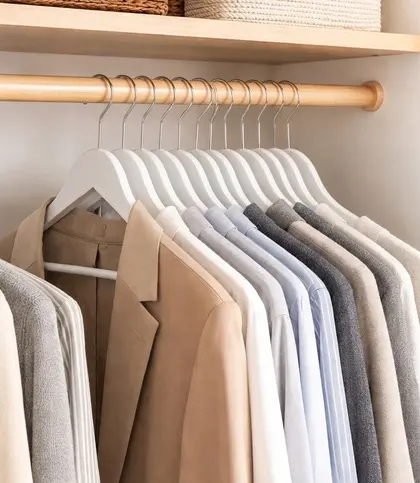
For a coordinated wood-hanger wardrobe, Wearlio Wood Cloth Hanger - Set of Twelve is one wood option to compare with the garment-specific criteria below.
- Use sturdy wood or metal hangers for structured or heavier garments.
- Use slim non-slip hangers for light everyday clothing and limited rail space.
- Use padded hangers for delicate, lightweight or easily marked fabrics.
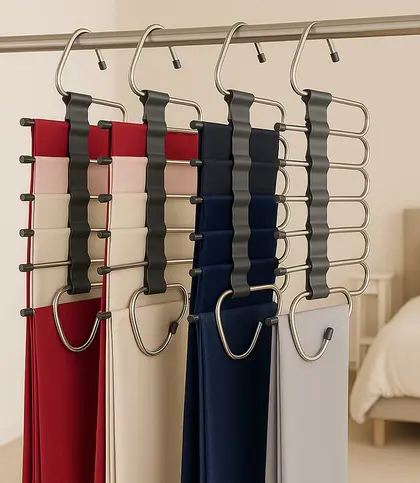
- Use trouser hangers for bottoms when secure holding and crease control matter.
- Build a small mixed system instead of forcing every garment onto one hanger style.
₹1,874
₹4,899
62%OFF
A Quick Checklist for Choosing a Cloth Hanger
Before buying a set, pick up one representative garment from your wardrobe and assess what it needs. This simple check helps you avoid buying only the narrowest or most decorative option, then discovering that it does not support your coats, dresses or trousers properly.
- Garment: identify whether it is a shirt, trouser, dress, knit, delicate piece, jacket or coat.
- Support: look for shoulder contour, padding, clips, a trouser bar or a non-slip surface as needed.
- Width: choose a span that broadly matches the garment’s shoulder area.
- Strength: account for weight, embellishment and how long the item is likely to remain hung.
- Space: choose slim profiles when the rail is limited, but do not trade away support for heavy or delicate garments.
- Finish: inspect edges, joints, hooks and contact points for smoothness and security.
Hanger Materials Compared: Wood, Metal, Plastic, and Padded Options
Material affects appearance, feel and potential support, but it is not a complete measure of performance. A well-finished hanger with an appropriate shape, width and secure construction matters more than material alone.
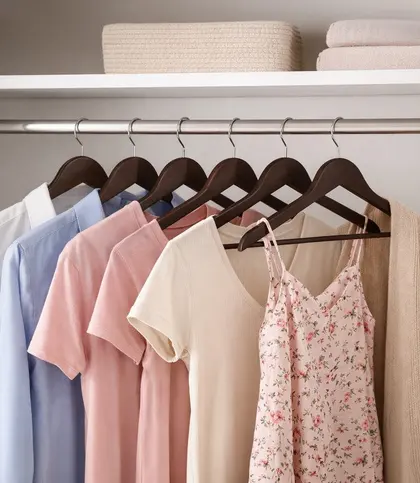
Wood commonly offers a broad, structured shoulder profile and a classic wardrobe look. It can suit shirts, dresses and tailored pieces, although its fuller form generally takes more rail space than a slim design. WardroPro Wood Cloth Hanger - Set Of Six is a wood set to consider when comparing this material.
Metal can provide a strong, contemporary option. Check that any contact edges, joints and hook are smooth and well finished, especially for fine fabrics. Pantree Cloth Hanger - Set Of Four provides a stainless-steel material reference for comparing everyday metal hanger options.
Plastic is light and widely used, but quality can vary considerably. Look for adequate rigidity, smooth moulding and a shape that will not concentrate pressure at the shoulders. Padded, fabric-covered and velvet-like surfaces can offer extra grip or gentler contact for slippery and delicate garments.
- Wood: structured support and a classic, natural appearance, with a fuller profile.
- Metal: potentially strong and streamlined; smooth finishing is essential around fabric contact points.
- Plastic: lightweight and practical when sufficiently rigid, smooth and well shaped.
- Padded or fabric-covered: useful where gentle support and reduced slipping are priorities.
- Choose by shape, finish and garment needs, not by material label alone.
₹974
₹2,499
61%OFF
₹1,299
₹2,499
48%OFF
The Best Hanger for Each Garment Type
Matching the hanger to the garment is the most reliable way to limit slipping, creasing and avoidable shoulder pressure. Use the garment’s construction, rather than its category name alone, as your guide: a lightweight shirt and a heavily embellished dress need very different support.
For shirts and blouses, use a gently contoured or slim non-slip hanger that supports the shoulders and helps open or wide necklines stay in place. For dresses, select a hanger wide enough for the shoulders; notches, gentle contouring or a grippy surface can help with straps and slippery fabrics.
Trousers can be folded over a smooth, secure bar, while skirts and trousers hung by the waistband need clips with protected contact points. For suits, jackets and coats, prioritise a wider, shaped and sturdy hanger over a thin space-saving form. Timberline Garment Carbon Steel Cloth Hanger - Black is a carbon-steel hanger example for readers comparing metal materials and contemporary wardrobe styles.
Heavy knitwear is often better folded, particularly for long storage, because narrow shoulder points can contribute to distortion. If a lighter knit must be hung, a broad padded hanger may be gentler; always follow the garment’s care guidance where available.
- Shirts and blouses: contoured or slim non-slip support.
- Trousers: a smooth bar for folding, or protected clips for waistband hanging.
- Dresses: sufficient width plus notches, contouring or grip where needed.
- Knitwear: fold substantial knits when possible; use broad, gentle support only when hanging is necessary.
- Delicates: smooth, padded, fabric-covered or suitably non-slip surfaces.
- Jackets, suits and coats: wide, shaped, sturdy hangers with dependable construction.

₹4,999
₹9,998
50%OFF
How to Choose Hanger Width and Load Capacity
Choose a hanger whose shoulder span broadly follows the garment’s shoulder seam. If it is too narrow, the garment may lose its intended shape or develop inward creasing. If it is too wide, the ends can extend beyond the shoulder and create outward pressure points or bumps.
Everyday adult clothing often suits a standard-width hanger, while jackets, coats and more structured pieces may need a broader shoulder profile. Children’s clothing should be stored on child-size hangers rather than adult sizes. For any heavier item, assess the whole construction: the hook, body, joints and trouser bar should all feel stable.
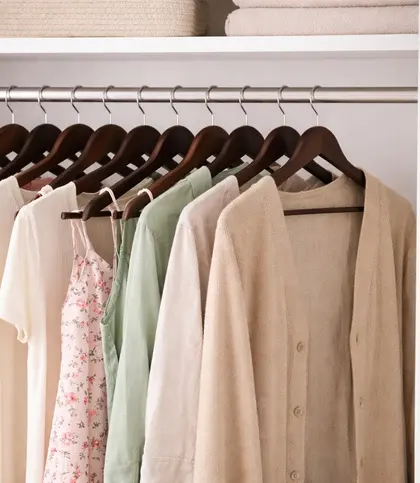
Do not assume a material alone confirms how much weight a hanger can carry. Denim, heavy outerwear and embellished garments place more demand on a hanger than a lightweight blouse. GarmentEase Wood Cloth Hanger - Set Of Ten is a wood set to compare while checking construction and fit.
- Match the hanger width broadly to the shoulder seam.
- Avoid narrow hangers for garments that need structured shoulder support.
- Use broader profiles for jackets, coats and tailored pieces.
- Use child-size hangers for children’s garments.
- Assess the complete hanger construction for heavier clothing.
- Check stability rather than relying only on a material description.
₹1,612
₹3,999
60%OFF
Slim Hangers vs Wide Hangers: Saving Rail Space Without Damaging Clothes
Slim hangers are useful when wardrobe rail capacity is a priority. They work especially well for lightweight shirts, blouses and everyday dresses, provided the surface has enough grip to stop garments from sliding.
Wide, contoured hangers take up more room, but their space is purposeful for jackets, coats, structured dresses and garments that need shoulder support. Packing a rail too tightly can leave clothes compressed, creased and difficult to remove, regardless of the hanger type.
A practical compromise is to use slim hangers for light, frequently worn pieces and keep a smaller number of wider hangers for outerwear, tailoring and garments that are vulnerable to shoulder marks.
- Use slim profiles to increase capacity for lighter everyday garments.
- Prioritise non-slip contact on compact hanger designs.
- Reserve wide, shaped hangers for structured and heavier clothing.
- Leave enough room on the rail to remove garments easily.
- Treat hanger choice as part of a broader wardrobe-spacing plan.
Features That Prevent Slipping, Creasing, and Hanger Marks
The features touching your clothes deserve as much attention as the hanger material. Textured or coated shoulders can help camisoles, silky fabrics and wide necklines stay put. Gentle contouring and padding spread pressure across a larger area instead of concentrating it on a sharp edge.
For trousers and skirts, choose smooth bars or clips with protective contact points. Rough seams, exposed metal edges and insecure hook fittings can snag fabric or make storage less reliable. When putting a top on a hanger, avoid stretching the neckline if it can be placed through the bottom opening instead.
Some garments are particularly sensitive to long-term hanging pressure. Rotate them, refold them or use a gentler storage method rather than assuming any hanger can prevent marks in every situation.
- Use grippy surfaces for slippery fabrics and light strappy garments.
- Choose contouring or padding to soften shoulder pressure.
- Use smooth bars and protected clips for trousers and skirts.
- Check hooks, seams and metal contact points for snag risks.
- Place garments on hangers without unnecessarily stretching necklines.
- Refold pieces that show signs of long-term shoulder pressure.
Best Hanger Setup for Different Wardrobes
The most efficient wardrobe setup combines a small number of hanger types according to what you own most. This approach protects clothing better than buying one uniform style solely for appearance or space saving.
For a small everyday wardrobe, make slim non-slip hangers the mainstay for shirts and light dresses, then add several broader hangers for structured pieces. A classic or natural-looking wardrobe may favour wood hangers for visible consistency, while a delicate-fabric wardrobe benefits from padded or fabric-covered options alongside standard hangers.
If you prefer a contemporary metal finish, Nordic Rail Garment Carbon Steel Cloth Hanger - Black is another carbon-steel option to compare with wood hanger sets. Whichever material you choose, inspect the hook, joints and contact points before assigning it to heavier clothing.
- Small everyday wardrobe: slim, grippy hangers plus a few sturdy wide styles.
- Classic wardrobe: wood hangers for a coordinated look and structured support.
- Heavy-garment wardrobe: wide, sturdy hangers with secure hooks and stable construction.
- Delicate-fabric wardrobe: padded or fabric-covered contact points with reliable grip.
- Mixed wardrobe: slim everyday hangers, gentle hangers for delicates and dedicated trouser options.
- Best overall approach: buy by garment role, then coordinate visible finishes if desired.

₹2,999
₹5,998
50%OFF
Final Buying Checklist
Before committing to a larger hanger set, check it against the garments you actually wear and store. The best choice is the one that supports the clothes you own, fits your available rail space and feels smooth and stable in use.
- Does the hanger broadly match the garment’s shoulder width?
- Will its surface reduce slipping without snagging fabric?
- Is its shape suitable for shirts, dresses, knitwear or trousers?
- Can the construction support the garment without bending or feeling unstable?
- Will the profile fit your available rail space?
- Are the hook, joints, bars and clips smooth and secure?
- Would another hanger type protect this particular garment better?
Browse cloth hangers
Compare hanger width, material, shape, and storage needs against the garments you plan to hang. Check the pack quantity and product dimensions.

Final Verdict
- The best cloth hanger is a system rather than one universal product.
- Use slim non-slip hangers for light everyday garments where rail space matters, wide wood or metal hangers for jackets, coats and structured clothing, padded styles for delicate pieces, and bars or protected clips for trousers and skirts.
- Make the final choice by matching the garment’s shoulder width, weight, fabric grip needs and available wardrobe space.
FAQs
Which hanger material is best for clothes?
No single material is best for all clothes. Wood and sturdier metal styles can suit structured or heavier garments, while padded or fabric-covered surfaces are useful for delicate pieces. Shape, width, finish and construction matter as much as the material.
Are slim hangers good for small wardrobes?
Yes, slim hangers can increase usable rail capacity for lightweight everyday clothing. Keep a few wider, shaped hangers for jackets, coats and structured garments that need more shoulder support.
What hangers prevent clothes from slipping?
Non-slip hangers with textured, coated or velvet-like surfaces are useful for slippery fabrics, camisoles and wide necklines. Shoulder notches can also help with straps, provided they are smooth and do not catch the fabric.
Should sweaters be hung on padded hangers?
Heavier sweaters are often better folded because hanging can place prolonged pressure on the shoulders. For a lighter knit that must be hung, a broad padded hanger may offer gentler support than a narrow hanger. Check the garment’s care label where available.
What hanger width is right for clothing?
Choose a width that broadly follows the garment’s shoulder seam. A narrow hanger can let shoulders collapse, while an overly wide one may extend beyond the garment and create pressure points.
Are wooden hangers better for heavy garments?
Wooden hangers can offer a broad, sturdy shape that suits many heavier and structured garments, but construction is still important. Inspect the hanger’s hook, joints and overall stability, and use a sufficiently wide form for the garment.
How do I stop hanger marks on shoulders?
Use a hanger that fits the shoulder width, avoid narrow or sharp contact points, and choose contoured or padded support for vulnerable garments. Refolding items that develop marks from long-term hanging can also help.
Which hanger is best for trousers and skirts?
Use a hanger with a smooth secure bar for trousers folded in half, or clips with protected contact points when hanging trousers or skirts by the waistband. The goal is a secure hold without harsh clamp impressions or snagging.