


Best Bird Feeder for Doves: Platform vs Tray Options
Quick Answer
For most homes, a stable open platform or broad tray feeder is the best bird feeder for doves. It gives them generous landing space and easy seed access while offering more control over mess and hygiene than ground feeding. Choose a raised setup for balconies and terraces; reserve ground feeding for a spacious, dry, visible garden area that is easy to clean and has low predator exposure.
Definitions
Open platform feeder
A broad, open feeding surface that allows larger birds such as doves to land, turn, and feed without entering a narrow port or tube.
Tray feeder
A feeder with a defined shallow tray, often with a rim, roof, or hanging mechanism to contain seed and provide some protection from weather.
Ground feeding
Placing seed directly on a suitable ground surface or in a low ground feeder, giving doves easy access but increasing exposure to moisture, pests, predators, and contamination.
Landing space
The clear surface and surrounding room a dove needs to approach, land, stand, and feed without unstable perches or obstructions.
Drainage
Holes, gaps, or a sloped surface that allow rainwater and wet seed to escape rather than pooling in the feeder.
Best Bird Feeder for Doves: The Quick Answer
Doves are usually better served by a stable open platform or a broad tray than by a narrow tube feeder. Their size and feeding style make a generous, unobstructed landing surface especially useful, whether the feeder is on a balcony, terrace, or in a garden.
A raised feeder is generally the most manageable choice for home outdoor spaces because it keeps food off the floor or soil and makes spilled seed easier to notice and remove. Ground feeding is more natural for many doves, but it needs a clean, dry, low-risk setting to avoid persistent mess and contamination.
No feeder can guarantee dove visits. Local bird activity, seed choice, disturbance, placement, weather, and the availability of other food sources all affect whether doves use a feeding area.
- Choose an open platform for the most straightforward dove access.
- Choose a broad tray when seed containment or partial weather cover is a priority.
- Avoid relying on narrow, small-port feeders as the primary option for doves.
- Balance dove access with drainage, cleaning effort, seed mess, and predator exposure.
Bird Feeder
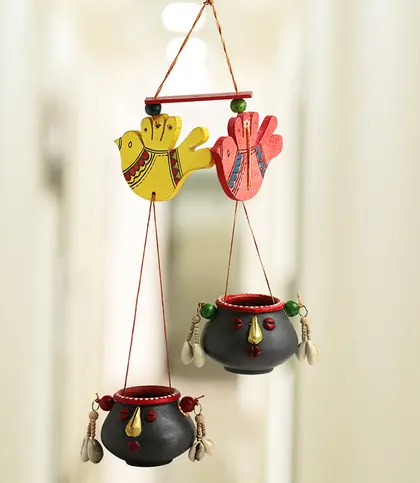
₹949
₹1,415
33%OFF
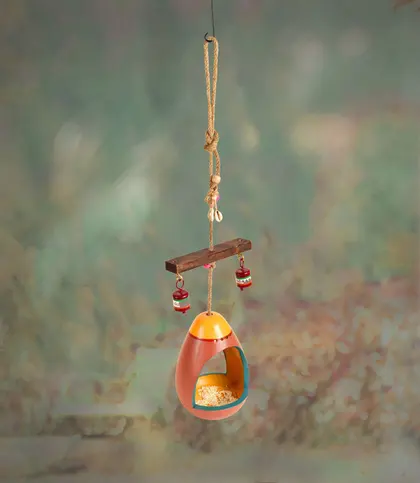
₹899
₹1,199
25%OFF
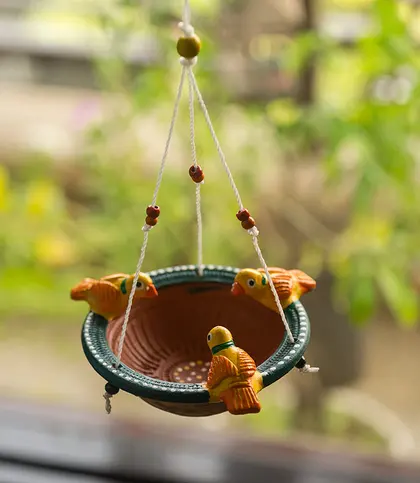
₹949
₹1,160
18%OFF
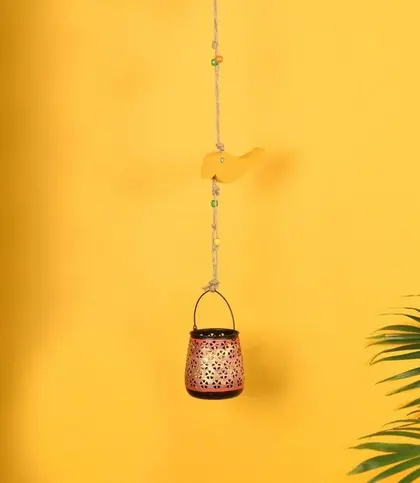
₹949
₹1,329
29%OFF
₹899
₹1,359
34%OFF
₹699
₹979
29%OFF
₹949
₹1,329
29%OFF
₹1,149
₹1,299
12%OFF
Platform vs Tray vs Ground Feeding for Doves
An open platform is the strongest all-round format for most dove-feeding setups. It gives a bird room to land and stand naturally, and the open surface makes seed easy to reach. The trade-off is that an exposed platform needs firm support, good drainage, and regular clearing of husks, droppings, and damp seed.
A tray feeder can offer similar access while helping keep seed within a defined area. It can be a practical option where a rim, roof, or securely suspended design helps manage rain and spillage. Check that the tray remains broad enough for a dove, does not feel flimsy under its weight, and is not so shallow that seed blows out easily.
Ground feeding offers the easiest approach for doves but creates the greatest hygiene and safety challenges. Seed can become wet, mix with soil and droppings, attract pests, or expose birds to cats and other predators. It is best considered only for a well-managed garden area rather than a compact shared outdoor space.
- Landing space: choose a broad, clear surface rather than narrow perches or feeding ports.
- Stability: the feeder should not tip, spin, or sway excessively when a dove lands.
- Drainage: look for holes, gaps, or a slope that prevents water from sitting under seed.
- Weather protection: a roof can help limit direct rain, provided it does not obstruct landing space.
- Seed access: birds should be able to reach food without stretching through a restrictive opening.
- Mess: a rim or catch surface can help contain husks and scattered seed.
- Predator exposure: avoid low, concealed positions near dense cover or easy cat access.
- Cleaning effort: favour surfaces that can be emptied, wiped, scrubbed, and dried easily.
What to Look for in a Dove Feeder
Prioritise usable space over decorative detail. A broad, unobstructed platform lets a dove approach, turn, and feed comfortably, while also reducing crowding when more than one bird arrives. Before buying, check the listed dimensions rather than assuming that every bird feeder has enough room for doves.
Stability matters as much as surface size. A weighted base, rigid stand, secure mounting point, or firmly supported hanging system is preferable to a feeder that tips or rotates. Broad hanging trays can work when securely suspended, but a narrow or unstable hanging design is less suitable.
Rain management is another practical deciding factor. Drainage holes or a gently sloped feeding surface help limit standing water, while a roof or partial cover can reduce direct rain and harsh sun. Neither feature removes the need to inspect seed after wet weather.
Choose a smooth, easy-to-clean feeding surface. Metal, wood, and weather-resistant plastic can all be suitable when the construction is stable and maintained. A tray edge should contain seed without creating sharp corners or deep recesses that are difficult to clean.
- Broad, open landing surface.
- Secure base, stand, post, or hanging support.
- Drainage that stays clear of seed and debris.
- Optional roof that does not make the feeder cramped.
- Smooth food-contact surfaces that are easy to wash and dry.
- A shallow, accessible rim for seed containment.
Where to Place a Dove Feeder on a Balcony, Terrace, or Garden
On a balcony, use a securely mounted or heavy raised feeder where possible. A catch surface beneath the feeding area can make husks and fallen seed easier to manage. Keep the setup away from railings or ledges that give cats easy access, and consider how falling seed could affect neighbouring spaces.
On a terrace, place the feeder on a stable stand or protected surface with clear room for birds to approach and for you to sweep around it. Avoid busy doorways, seating zones, pet bowls, children’s play areas, and places where food could collect beside standing water.
In a garden, a stable platform or tray on a post or stand gives you more control than scattering seed on the ground. Choose an open spot with good visibility and nearby cover at a reasonable distance, rather than placing food directly beside dense shrubs, walls, or fences where a stalking animal may remain hidden.
Window placement deserves care. Positioning a feeder very close to a window or clearly farther away can help reduce the chance that birds build speed toward glass, though placement alone cannot prevent every strike. Visible window markers can provide an additional safeguard.
- Keep balcony feeders secure and easy to clean beneath.
- Give terrace feeders clear approach space away from doors and foot traffic.
- Use open, visible garden locations rather than concealed corners.
- Avoid ground food beside shrubs, walls, and fences.
- Manage seed so it does not accumulate near homes, pets, children, or neighbours.
- Consider window visibility as well as distance from glass.
How to Reduce Seed Mess, Predators, and Competition
Measured portions are one of the simplest ways to manage a dove feeder. Put out only what birds are likely to consume promptly, then remove leftovers before they become damp or attract rodents. A tray rim or catch surface can help collect fallen seed, but it still needs routine emptying.
Keep the feeding location open enough that approaching cats and other predators are easier to spot. Raised feeding can reduce contact with damp ground and soil, but it does not eliminate spilled seed, droppings, or hygiene concerns. If the site repeatedly becomes wet, fouled, or pest-prone, relocate the feeder or pause feeding.
A broad platform may also attract smaller birds. This can be welcome, but crowding can make feeding difficult for doves. Separate seed areas on a larger surface, or place a smaller-bird feeder at an appropriate distance, rather than making the dove feeder itself too cramped.
- Clear fallen seed before it becomes wet or builds up.
- Keep feeding areas visible and away from dense hiding places.
- Use a catch surface where practical, especially on balconies.
- Offer modest portions and remove leftovers promptly.
- Separate feeding zones if mixed bird traffic creates crowding.
- Relocate or pause feeding if pests, dampness, or fouling persist.
Cleaning and Maintenance for Dove Feeders
Inspect the feeder frequently, especially after rain or periods of heavy bird activity. Remove wet, mouldy, clumped, or visibly spoiled seed promptly. More birds, more droppings, and damp weather all call for more frequent cleaning.
Before washing, empty old seed and loose debris. Scrub food-contact surfaces with suitable soap and water, rinse thoroughly, and let the feeder dry fully before adding fresh seed. Also clean the surrounding floor, balcony corners, stand, or ground area where husks and droppings gather.
Check the feeder's practical parts as part of maintenance. Tighten loose screws or chains, confirm that a stand is stable, and clear blocked drainage openings. If regular cleaning is not realistic for the location, lower the feeding volume or choose not to feed there.
- Inspect after rain and remove spoiled seed.
- Empty old seed before washing the feeder.
- Wash, rinse, and dry the feeding surface before refilling.
- Sweep surrounding husks and droppings regularly.
- Check mounting points, supports, roofs, and drainage openings.
- Reduce portions or pause feeding when upkeep cannot be maintained.
When Ground Feeding Is Unsuitable
Ground feeding is usually unsuitable on a small balcony, narrow terrace, shared walkway, or any surface where seed and droppings cannot be contained and cleaned. These settings can quickly become unpleasant for residents and may cause conflict with neighbours.
Avoid it where cats, dogs, rats, snakes, or other predators have easy access, especially when birds would be boxed in by walls, fences, or windows. Damp, muddy, shaded, or poorly drained spots are also poor choices because seed can spoil and the feeding surface is harder to sanitise.
Do not scatter seed near doors, play areas, vehicle spaces, pet feeding zones, or neighbouring property. When doves need easy access but direct ground exposure is not practical, a raised tray or platform is generally the better compromise.
- Do not ground-feed in compact shared outdoor areas.
- Avoid wet, muddy, shaded, and poorly drained locations.
- Avoid sites with easy predator access or limited escape routes.
- Keep food away from doors, pets, children, vehicles, and neighbours' spaces.
- Choose a raised tray or platform when containment and cleaning matter.
Choose by Outdoor Space and Priority
For a balcony, choose a compact or medium raised platform or tray with secure mounting, drainage, and a way to catch or sweep up fallen seed. For a terrace, a medium platform or tray on a stable stand can work well, particularly in a partly sheltered position away from doors and glass.
For a garden, a larger stable platform or tray offers controlled feeding with good dove access. Ground feeding should be a deliberate choice only for a spacious, visible, dry area that can be cleaned and is not exposed to routine predator activity.
For the least mess, favour a covered tray or raised platform, use measured portions, and keep a catch surface or clearable floor beneath. For mixed birds, choose a broad feeder with separate seed areas or pair the dove setup with a smaller feeder positioned separately.
When comparing options in the Bird Feeder range, assess dimensions, mounting method, material, drainage, and weather protection instead of choosing by appearance alone. Chidiya Love Bird Feeder - Yellow is a metal-and-wood bird feeder relevant to a garden feeding setup, but confirm its dimensions and mounting details before deciding whether it offers suitable dove landing space and stability.
- Best for a balcony: a securely mounted raised platform or tray with drainage and a catch surface.
- Best for a terrace: a stable tray or platform under partial cover and away from traffic.
- Best for a garden: a larger stable platform or tray in an open, cleanable location.
- Best for minimum mess: a raised, covered format with measured seed portions.
- Best for mixed birds: separated feeding areas or a second smaller feeder placed apart.
₹949
₹1,329
29%OFF
Final Verdict
- For most balconies, terraces, and gardens, choose a stable raised open platform or broad tray feeder for doves. It provides generous access while giving you better control over seed, drainage, placement, and cleaning than direct ground feeding.
- Pick a platform when landing space is the main priority; choose a tray when a rim, partial cover, or more defined seed containment would make upkeep easier. A securely suspended broad tray may work, but narrow or unstable hanging feeders are not the best primary choice for doves.
- Use ground feeding only in a spacious, dry, visible garden location with low predator exposure and a realistic cleaning routine. Compare feeder dimensions, support, drainage, material, and weather protection before buying.
FAQs
What type of bird feeder is best for doves?
A stable open platform or broad tray feeder is usually the best choice for doves. It gives them room to land and reach seed easily, unlike narrow tube feeders with small ports.
Can doves use hanging bird feeders?
Doves can use a hanging feeder when it has a broad tray and is securely supported. Avoid narrow, light, or spinning designs that do not offer a stable landing surface.
How large should a dove feeder platform be?
Choose a platform that lets a dove stand and turn comfortably, with enough clear space that feeding does not feel cramped when more than one bird arrives. Check each product's documented dimensions before buying.
Where should I place a bird feeder to avoid window strikes?
A feeder placed very close to a window or clearly farther away may reduce the opportunity for birds to build speed toward glass. This does not guarantee prevention, so visible window markers can also be helpful.
How do I keep a dove feeder stable and dry?
Use a weighted base, rigid stand, secure mount, or firmly supported hanging system. Choose drainage holes or a sloped surface, inspect after rain, and remove wet seed promptly.
How often should a dove feeder be cleaned?
Inspect it frequently and clean it whenever seed is wet, spoiled, or visibly fouled. Cleaning needs increase after rain, during damp weather, and when many birds use the feeder.
Is ground feeding safe for doves in a garden?
It can be workable only in a dry, open, low-risk garden area that is easy to clean and away from predators, doors, pets, and heavy foot traffic. A raised platform is often easier to manage.
Can smaller birds access a platform feeder for doves?
Often they can, but access depends on the tray design, seed placement, crowding, and competition. Separate seed areas or a smaller feeder placed nearby can help serve mixed bird visitors.