


Adding Manure and Fertilizer: A Safe Home-Garden Guide
Quick Answer
Use mature manure mainly to build organic matter and improve soil condition. Use fertilizer when a plant needs targeted nutrients. Use both only when each has a clear role, and always follow product directions, apply conservatively, and keep concentrated material away from stems and exposed roots.
Definitions
Manure
Animal-derived organic material used after suitable composting or maturation to add organic matter and support soil structure. Its nutrient content can vary, so it should not be treated as a precisely measured fertilizer unless its packaging provides specific analysis.
Fertilizer
A product formulated to supply specific plant nutrients, often with a stated nutrient analysis and label directions for crops, application method, timing, and quantity.
Soil amendment
Material added primarily to change soil properties such as structure, moisture retention, drainage, or organic matter. Some amendments also contribute nutrients.
Nutrient burn
Plant damage caused by excessive soluble salts or nutrients, commonly appearing as brown or scorched leaf edges, wilting, or stressed roots.
Adding Manure and Fertilizer: Which Should You Use?
Manure and fertilizer do different jobs. Mature manure is generally chosen to improve soil condition and add organic matter, while fertilizer is used for more targeted nutrient feeding. Neither is automatically the better choice.
Start with the need in front of you. A bed with compacted, low-organic-matter soil may benefit from suitable mature manure before planting. A plant that needs a particular nutrient supply may be better served by a fertilizer labelled for that plant and growth stage.
Using both can make sense, but only when soil improvement and nutrient feeding are separate, genuine needs. Do not assume every plant needs full amounts of both inputs.
- Choose mature manure primarily for soil preparation and organic matter.
- Choose a labelled fertilizer for targeted feeding.
- Consider plant type, growth stage, soil condition, and recent applications before adding anything.
- Apply conservatively and avoid concentrated material against stems or roots.
Manure vs Fertilizer: What Is the Difference?
Manure is a variable organic material. When it is properly composted or matured and suitable for the garden, it can contribute organic matter and may help support soil structure. Its nutrient contribution varies with the animal source, bedding, storage, maturity, and product information available.
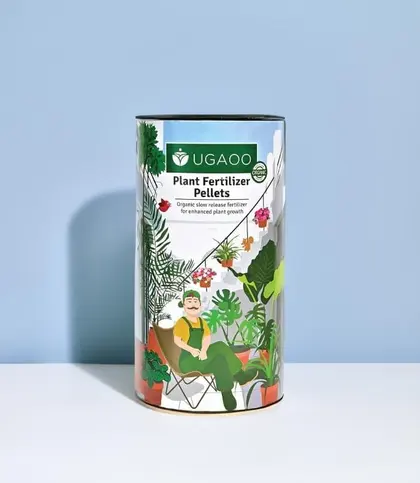
Fertilizer is made to supply plant nutrients in a stated formulation. It may come as pellets, granules, liquid, or powder, and its label should explain the intended plants, application method, timing, quantity, and safety precautions. A labelled pellet fertilizer is one example of a targeted feeding product, but its suitability still depends on the specific plant and its label directions.
Natural or organic does not mean risk-free. Both manure-based materials and fertilizers can cause problems if they are unsuitable, overapplied, poorly stored, or used without regard for the plant and soil.
- Treat manure as a soil-improving input with variable nutrient content.
- Treat fertilizer as a nutrient product whose label guides use.
- Check manure maturity and source before using it.
- Do not rely on a product category alone to judge how much a plant can tolerate.
 FastDelivery
₹259
₹345
25%OFF
When to Choose Manure, Fertilizer, or Both
Choose suitable mature manure when you are preparing a garden bed and the main goal is to improve low-organic-matter soil, soil structure, or moisture-holding capacity. Work it into prepared soil evenly rather than leaving dense clumps where roots will grow.
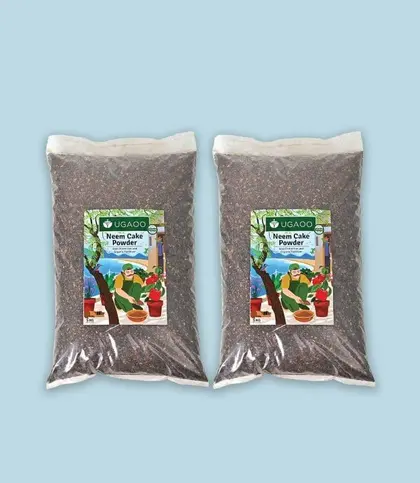
Choose fertilizer when the soil-improvement goal has already been addressed or when a plant needs labelled nutrient support. Neem cake powder is an organic fertilizer and soil-amendment example that may be considered for soil preparation, but it is not manure and should not be treated as an equivalent substitute. Verify its label, intended use, and suitability for the plant.
For containers, be especially cautious. Their limited soil volume can allow salts and nutrients to build up more readily than in open ground. Use only products suited to container plants and follow the label closely.
Seedlings and newly transplanted plants are also sensitive. Avoid strong or poorly aged inputs unless the product instructions specifically support use at that early stage.
- Preparing a tired bed: consider suitable mature manure.
- Feeding an established plant: use a fertilizer labelled for that plant and stage.
- Improving soil and supporting a crop: consider both only if each has a distinct purpose.
- Growing in pots or working with young plants: reduce guesswork and follow product directions carefully.
From ₹230
₹345
22%OFF
How to Add Them: Soil Incorporation vs Feeding Established Plants
Before planting, mix suitable mature manure or a labelled soil amendment evenly through the prepared soil. Even incorporation helps avoid concentrated pockets directly around developing roots.
Do not use raw or visibly fresh manure around living roots or edible crops. Choose material that is properly composted or matured from a suitable, identifiable source, and follow applicable local food-safety guidance.
For established plants, apply fertilizer by the method on its label. This may mean placing it on the soil surface, diluting it as directed, or applying it during watering. Keep fertilizer off stems and foliage unless the label specifically says otherwise.
Water only as directed. Avoid washing loose fertilizer into drains, ponds, or other waterways. If you are unsure how a plant will respond, begin with a cautious, label-supported approach or test on a small area.
- Incorporate mature manure evenly before planting.
- Keep raw or fresh manure away from edible crops and living roots.
- Apply fertilizer to soil or through watering only as its label directs.
- Keep concentrated inputs away from stems, leaves, and exposed roots.
- Account for recent feeding before adding another product.
Follow the Label Instead of Using a Universal Rate
There is no reliable universal rate for adding manure and fertilizer. Product strength, soil volume, plant type, weather, growth stage, and previous applications all affect what is appropriate.
For fertilizer, check the product name, nutrient analysis, intended plants, application method, timing, dilution instructions, storage requirements, and safety warnings. Use the smallest label-supported application that fits the situation rather than borrowing a rate from a different product or garden.
For manure, check whether the source is known, whether it is mature, what it is intended for, and whether product guidance is available. Its nutrient content is not uniform, so avoid estimating a combined manure-and-fertilizer amount without clear information.
- Read the full fertilizer label before opening the product.
- Do not copy quantities between products, crops, or pot sizes.
- Check manure source, maturity, and intended use.
- Avoid stacking nutrient inputs without considering the total recent application.
Signs of Overapplication, Nutrient Burn, and What to Do
Possible signs of overapplication include brown or scorched leaf margins, wilting despite moist soil, unusually dark or distorted foliage, stunted growth, crusted soil, or a sudden decline after feeding. These signs do not prove nutrient burn on their own.
Watering problems, excessive heat, poor light, pests, disease, root disturbance, and other stresses can look similar. Review the plant's conditions and recent applications before deciding what happened.
Pause all manure and fertilizer additions while you investigate. Remove visible loose product from foliage or the soil surface where practical, follow any product-specific guidance, and avoid adding more nutrients as a guess. Seek local horticultural help if damage is severe or continues.
- Stop feeding when a plant declines after application.
- Review watering, light, pests, disease, and root disturbance as well as nutrients.
- Remove visible excess where it can be done safely.
- Do not add another fertilizer to try to revive a stressed plant.
Safe Handling, Hygiene, and Storage
Wear gloves when handling manure or fertilizer, avoid touching your face, and wash hands and tools after use. Keep manure away from food-preparation areas, and do not use material of uncertain origin around food plants.
Avoid breathing dust from dry powders and pellets. Work in a ventilated area and use any protective equipment listed on the product label.
Store fertilizer in its original, clearly identified container, sealed and dry. Keep it away from children, pets, food, heat, moisture, and incompatible materials. Keep labels and packaging available for reference.
Store manure or composted manure in a contained area that helps limit runoff, pest access, and contamination. Clean spills according to the product directions and prevent fertilizer from reaching drains, ponds, or waterways.
- Use gloves and wash hands after handling garden inputs.
- Keep uncertain manure away from edible plants.
- Avoid inhaling dust from dry fertilizer products.
- Store inputs sealed, labelled, dry, and out of reach of children and pets.
- Prevent spills and runoff into drains or water.
A Simple Decision Checklist
A few questions can help you make a safer choice before opening a bag or adding material to the soil. If the answer is uncertain, pause rather than applying another input.
The goal is not to use the most products. It is to match the material, method, and timing to the plant and soil.
- Is the main goal soil improvement? Consider suitable mature manure or another labelled soil amendment.
- Is the main goal targeted nutrient support? Choose a fertilizer labelled for the plant and growth stage.
- Is the plant in a container, newly transplanted, or still a seedling? Use extra caution.
- Are you combining inputs? Confirm that both are needed and avoid overlapping nutrient applications.
- Has the plant shown stress, or has it been fed recently? Investigate before adding anything else.
- Can you identify the manure source and maturity, and store the material safely? If not, do not use it yet.
Final Verdict
- Choose mature manure when the primary need is better soil condition and more organic matter.
- Choose fertilizer when the plant needs targeted nutrient support that matches a labelled product and growth stage.
- Use manure and fertilizer together only when each serves a clear, separate purpose and total nutrient input has been considered.
- The safest approach is conditional: consider the plant, soil, manure maturity, recent applications, and every relevant label direction before feeding.
FAQs
What is the difference between manure and fertilizer?
Mature manure is mainly used to add organic matter and support soil condition, though it may also contribute nutrients. Fertilizer is formulated to provide specific nutrients and should be applied according to its label.
When should manure, fertilizer, or both be added?
Use suitable mature manure mainly when preparing soil that needs organic improvement. Use fertilizer when a plant has a targeted, label-supported feeding need. Use both only if the soil needs improvement and the plant also needs nutrient support.
Can manure and fertilizer be applied together?
They can be, but it is not automatically necessary. Confirm that each input serves a different need, consider recent applications, and do not exceed product directions or assume that more nutrients will produce better growth.
How should manure be added to garden soil?
Use suitable mature or composted manure from an identifiable source and mix it evenly into prepared soil before planting where possible. Avoid raw or visibly fresh manure around living roots or edible crops, and follow local guidance for food gardens.
How should fertilizer be applied to established plants?
Follow the product label for placement, dilution, timing, and watering. Generally, keep concentrated fertilizer away from stems, foliage, and exposed roots unless the label directs otherwise.
What are the signs of fertilizer overapplication or nutrient burn?
Possible signs include scorched leaf edges, wilting despite moist soil, dark or distorted foliage, stunted growth, crusted soil, and decline after feeding. These symptoms can have other causes, so pause feeding and assess the full growing conditions.
How should manure and fertilizer be stored safely?
Keep fertilizer sealed, dry, clearly labelled, and away from children, pets, food, heat, and moisture. Store manure or composted manure in a contained area that limits runoff, pests, and contamination.
What hygiene precautions should be followed when handling manure?
Wear gloves, avoid touching your face, wash hands and tools after use, and keep manure away from food-preparation areas. Do not use manure of uncertain origin around edible crops.