
₹475
₹725
34%OFF

6 Products
₹475
₹725
34%OFF

₹699
₹1,378
49%OFF

₹2,266
₹2,450
8%OFF
₹1,000
₹1,250
20%OFF
₹1,044
₹1,099
5%OFF
₹2,549
₹3,000
15%OFF
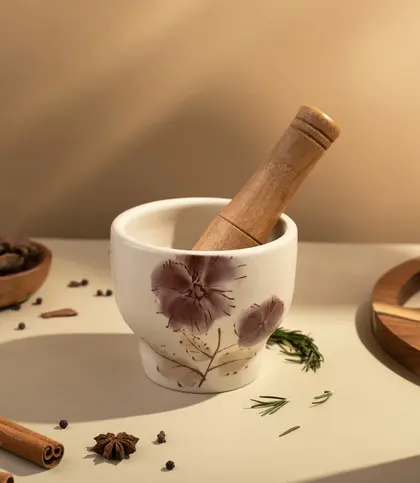
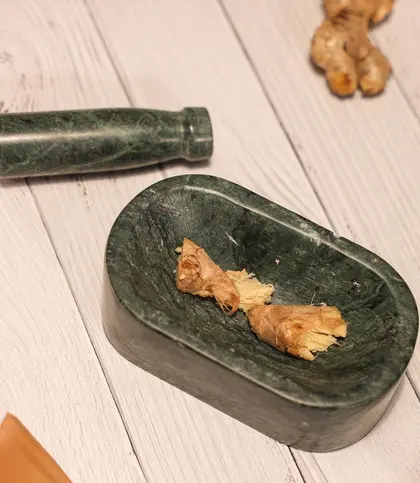
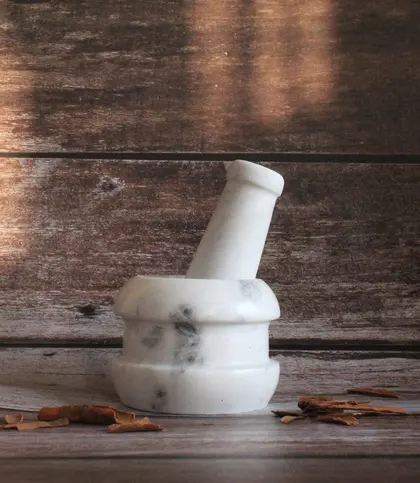
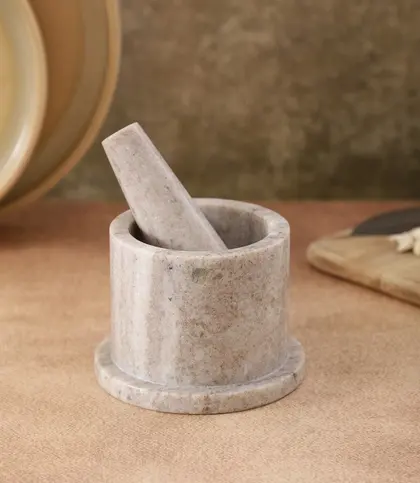
A mortar pestle belongs to the kind of kitchen that values texture, aroma, and the pleasure of doing things by hand. It turns spices, herbs, garlic, ginger, nuts, and seeds into pastes or blends with a tactile quality that machines can miss. This Vaaree collection is for cooks who see the kitchen as more than a prep zone. It is a place of rhythm, memory, and sensory detail, where a simple tool can make chutneys brighter, masalas more fragrant, and everyday meals feel more personal.
The appeal of a mortar pestle begins with control. You decide how coarse or smooth the final texture should be, whether you are crushing pepper for a soup, pounding coriander for a marinade, or making a fresh chutney for a family meal. Within kitchen and dining, this is one of those objects that bridges utility and tradition. It can sit on the counter, ready for use, and still look handsome beside boards, jars, bowls, and other tools.
Material is central to performance. Heavier mortars tend to stay steady while pounding, while textured interiors can help grip ingredients. A comfortable pestle matters because the motion should feel natural, not strained. Size also matters: smaller pieces suit spices and quick garnishes, while larger mortars are useful for pastes, chutneys, dips, and shared cooking. If your kitchen already uses coordinated storage containers, a mortar pestle can become part of a more organised prep station where ingredients, tools, and serving pieces are easy to reach.
In Indian kitchens, the mortar pestle carries a long relationship with flavour. It supports recipes that depend on crushing rather than cutting, releasing oils and aroma slowly. It can also be a beautiful object in itself, especially when made in stone, wood, ceramic, or metal finishes that suit the counter. Vaaree presents this category with a premium, quality-conscious eye, choosing pieces that can move between active cooking and visible display. For each product, rely on the listed material, weight, finish and care details to judge whether the tool suits your kitchen routine.
For entertaining, a mortar pestle can be part of the serving story. Pound herbs for a dip, crush spices for a finishing sprinkle, or prepare a fresh condiment before arranging snacks with serveware and drinks. After use, clean it according to the product material so aromas do not linger where they should not. With care, it becomes one of those kitchen objects that develops familiarity over time. It is practical, beautiful, and deeply connected to the way real cooking feels in the hand.
It also encourages a slower, more attentive style of cooking. Toasted spices can be crushed just before they meet hot ghee, herbs can be bruised for aroma, and ginger or garlic can be worked into a paste with a texture chosen by the cook. Keep it where you will reach for it often, not packed away for rare recipes. When a tool is visible, weighty, and pleasing to hold, it becomes part of the kitchen's daily intelligence. It rewards repetition, becoming more intuitive each time a recipe calls for fresh crushing.
A mortar pestle is useful for crushing spices, pounding ginger and garlic, making chutneys, bruising herbs, and preparing dips or finishing blends. It gives the cook more control over texture and aroma.
How do I choose the right mortar pestle size?Smaller pieces suit spices, pepper, and quick garnishes, while larger bowls are better for pastes, chutneys, nuts, and shared cooking. Pick a size that stays steady on your counter during use.
How should a mortar pestle be cared for?Care depends on the material, so follow the product guidance. Clean it after use, avoid leaving strong aromas trapped in the surface, and keep it within reach if you want it to become part of daily cooking.
What is Vaaree's approach to mortar pestles?Vaaree presents mortar pestles through a premium, curated, quality-conscious kitchen lens, valuing tactile control, steady weight, counter-worthy form, and the tradition of preparing flavour by hand.