


Storage Basket Organization Guide
Short answer: Choose storage baskets by what they need to hold, where they will sit, and how often you need access. Open baskets are best for daily-use items; closed boxes are better for dust-prone storage.
Start With The Job
Before choosing style, decide what the item must do every day.
- Entry and exit zones need durability before decoration.
- Guest-facing areas can be more decorative if they remain easy to clean.
- Small homes need compact pieces that do not block movement.
- Homes with children, pets, or heavy use need forgiving colors and materials.
- If the item touches food, skin, or water, maintenance matters as much as looks.
A useful home product should reduce friction. If it adds cleaning work or gets in the way, it is not the right choice for that spot.
Choose Material By Routine
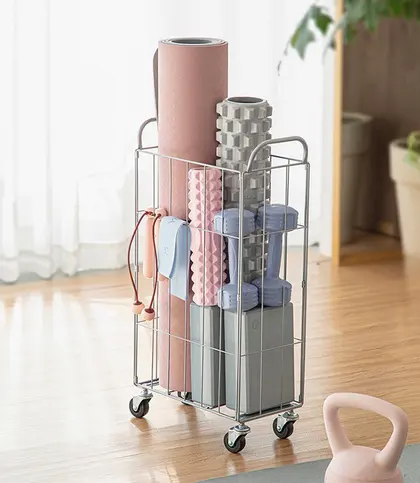
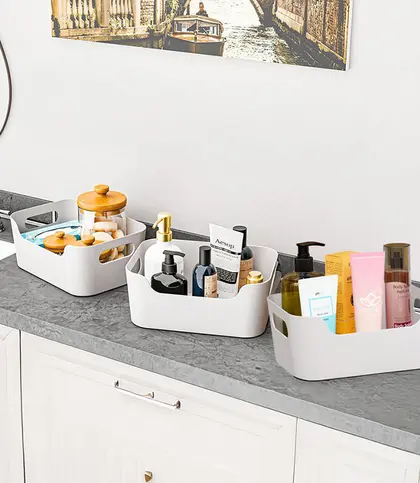
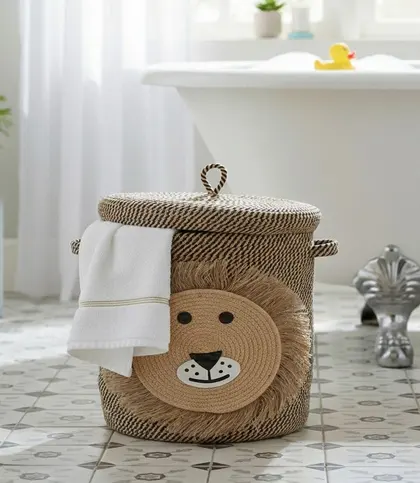
Plastic is easy to clean for utility shelves. Fabric or cotton baskets look softer in bedrooms and living rooms. Steel or wheeled baskets suit heavier items and movement. Do not use soft baskets for sharp or wet items.
When To Spend More
Spend more when the item is used daily, seen by guests, or hard to replace later. Save on extra rotation pieces, seasonal decor, or items for low-use corners. A smaller but better-suited piece usually works harder than a large set bought only because it is on discount.
Common Mistakes
- Buying by photo without checking size.
- Ignoring cleaning and drying needs.
- Choosing a delicate finish for a high-use area.
- Forgetting where the item will be stored when not in use.
- Buying a set when only one specific piece is missing.
Quick Checklist
- [ ] Size fits the exact spot.
- [ ] Material suits daily use.
- [ ] Cleaning is realistic for your routine.
- [ ] Color works with nearby surfaces.
- [ ] The product solves a real problem.
Quick Answer
- Choose storage baskets by the job it must do first, then by style.
- Measure the actual spot before buying; most mistakes come from poor fit.
- Pick easy-care materials for daily use and more decorative finishes for occasional or guest-facing use.
- If two options both look good, choose the one that makes the room easier to use in five minutes.
Definitions
- storage baskets: Storage should make daily items easier to find and return; the best option matches item size, shelf depth, and cleaning routine.
Before You Buy
Check where storage baskets will actually be used. Measure the available space, check cleaning or storage effort, and think through how people move around it. If it creates a new inconvenience, choose a simpler or better-fitting option.
Product Picks That Fit The Decision
These picks show how the buying logic applies to real Vaaree options. Compare them by use case, size, material, finish, and where they will sit in the home.
- Use Rove Steel Storage Basket With Wheels as a rolling basket for utility zones.
- Compare Tablo Plastic Storage Basket - Set Of Three as a small plastic basket set.
- Consider Kings Den Cotton Storage Basket - Beige as a soft cotton basket.
₹4,229
₹9,998
58%OFF
₹149
₹599
75%OFF
₹1,169
₹1,799
35%OFF
Final Verdict
- Choose the simplest option for storage baskets when daily use, cleaning, or space is the main concern.
- Choose the more decorative option when the room already works and needs warmth, texture, height, or personality.
- Combine products only when each one has a different job; the best home decisions make the room easier to live in, not just fuller.
FAQs
What should I check first?
Check size and daily use first. Style comes after the item fits the space and routine.
Should I buy a set?
Buy a set only if every piece has a clear use. Otherwise, choose the missing piece first.
What is the safest color choice?
Mid-tone neutrals and subtle patterns are usually easiest to reuse and maintain.
What should I check before buying storage baskets?
Check size, material, placement, cleaning effort, and how often it will be used. The right choice should make the room easier to live in, not just better in photos.
How do I choose storage baskets for daily use?
Start with the daily routine, then narrow by size, finish, and maintenance. The better choice is the one that fits the room without adding a new cleaning, storage, or movement problem.