

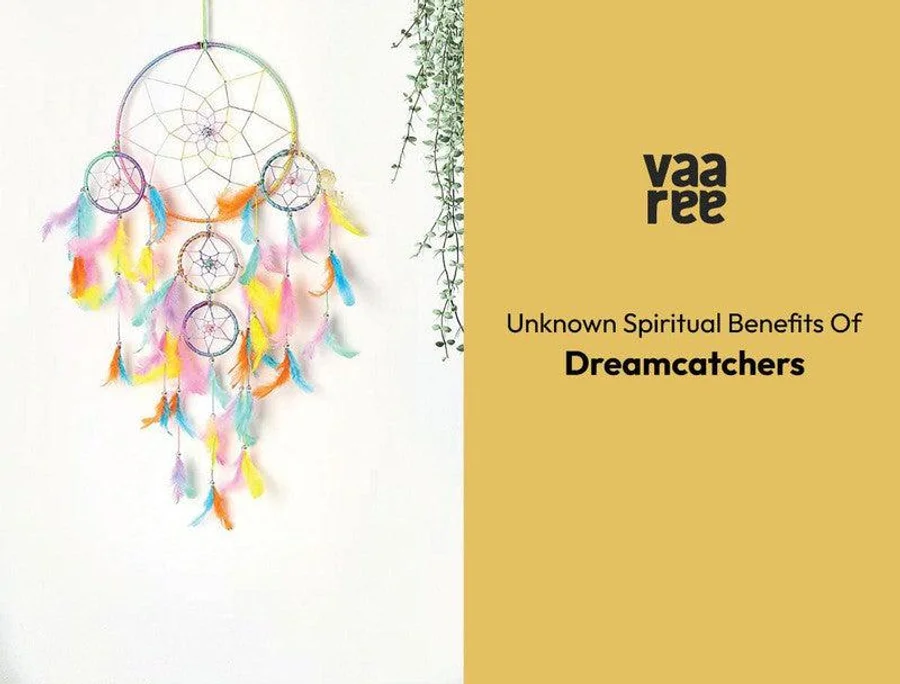
The whimsical beauty of dreamcatchers can make an enchanting addition to a space. Beyond their decorative appeal, many people value them for the spiritual and protective symbolism they hold. Here is a closer look at their origins, meanings and common uses.
What Is a Dreamcatcher?
Dreamcatchers are commonly associated with Ojibwe (Anishinaabe) traditions, with related stories and interpretations also shared among other Native American communities. They have been understood as meaningful, protective objects, often linked with sleep and dreams.
In many retellings, the web-like design represents a way of filtering troubling dreams while allowing good dreams to pass through. Others see a dreamcatcher as a reminder to focus on positive intentions. Meanings vary by community and individual, so it is important to approach the symbol with respect and avoid treating one interpretation as universal.
Commonly Mentioned Spiritual Benefits of Dreamcatchers
The meanings below describe cultural traditions and personal beliefs. A dreamcatcher is not a proven way to prevent nightmares, improve sleep or protect someone from harm.
1. Protection from negative energy
Some people regard a dreamcatcher as a protective symbol. Its web is often interpreted as representing the filtering of unwanted thoughts, dreams or energy, especially when hung near a bed.
2. Symbolic representation
Dreamcatchers may include elements such as feathers and beads. Their meanings differ across makers and traditions; they can be valued as visual symbols of life, nature, memory or personal intention.
3. Connection to nature
The hoop, woven web and natural-looking decorative elements can evoke a connection with nature. For some, displaying one is a quiet way to bring that feeling into a room.
4. Mindful intentions
Choosing, making or hanging a dreamcatcher can be an intentional ritual. Some people use the process as a prompt to reflect on rest, hope, calm or the atmosphere they would like to create at home.
5. Cultural and personal beliefs
Dreamcatchers may hold particular significance for people who follow or draw inspiration from Native American spiritual traditions. Respectful appreciation includes recognising the diversity of Native American communities and the personal nature of spiritual belief.
When choosing a dreamcatcher, consider the wall or corner where it will hang, the visual scale of the space and the colours that suit your décor. Check the product page for dimensions and other details before choosing.
 FastDelivery
₹213
₹525
59%OFF
 FastDelivery
₹192
₹525
63%OFF

₹192
₹525
63%OFF

₹699
₹1,349
48%OFF
Dreamcatcher Symbolism
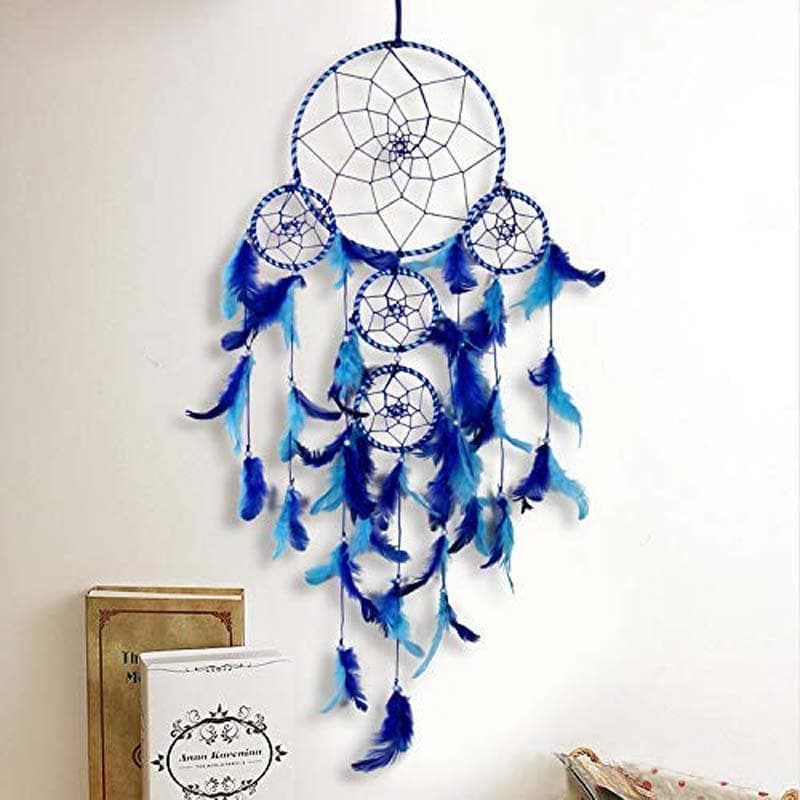
Traditionally hung over cots and beds, dreamcatchers are now also used in bedrooms, living rooms, celebrations and decorative arrangements. Their circular hoops, woven webs, beads and feathers can be appreciated for their craft and symbolism.
In some traditions and personal interpretations, beads honour positive spirits, feathers guide good dreams towards the sleeper, and the web represents the catching or filtering of troubling dreams. These are symbolic meanings rather than guarantees of any outcome.
Dreamcatcher Colour Meanings
Colour meanings are personal and cultural interpretations, not fixed effects. Choose a shade because it feels meaningful to you or works with the room.
1. White Dreamcatcher
White is often associated with clarity, simplicity and serenity. It can suit a pared-back setting or a space intended for quiet reflection.
2. Black Dreamcatcher
Black is sometimes associated with strength, grounding or dramatic contrast. It can work well where a darker accent suits the surrounding décor.

3. Yellow Dreamcatcher
Yellow is commonly linked with joy, warmth and optimism. It may be a cheerful choice for a creative corner or bright interior palette.
4. Orange Dreamcatcher
Orange is often associated with warmth, enthusiasm and sociability. Consider it for a room that benefits from a lively accent.
5. Blue Dreamcatcher
Blue is frequently associated with calm, reliability and openness. It can complement a tranquil bedroom or workspace colour scheme.
6. Red Dreamcatcher
Red is often associated with passion, energy and love. It can be selected as a bold decorative focal point in a bedroom, dining area or living space.
7. Green Dreamcatcher
Green is commonly connected with nature, renewal and balance. It can be a fitting choice for spaces inspired by plants or natural tones.
FAQs
1. What are dreamcatchers and what is their spiritual significance?
Dreamcatchers are circular, webbed objects commonly associated with Ojibwe and other Native American traditions. Many people value them as symbols of protection, positive intention and connection to dreams, though their significance varies between communities and individuals.
2. How do dreamcatchers work in protecting the mind and spirit?
In traditional and personal belief, the web may symbolise filtering troubling dreams or negative energy. This is a cultural or spiritual interpretation, rather than evidence that a dreamcatcher can prevent nightmares or absorb negative energy.
3. What spiritual beliefs and traditions are associated with dreamcatchers?
Commonly mentioned beliefs include the idea that dreamcatchers offer symbolic protection, encourage positive dreams and bring a sense of comfort to a home. Some people also attach personal meanings to colours, beads, feathers and the woven web. These interpretations are diverse and should be approached respectfully.
4. Can dreamcatchers help promote peaceful and positive dreams?
Some people find comfort in hanging a dreamcatcher near their bed and see it as a symbol of peaceful dreams. There is no evidence that it changes sleep or prevents nightmares, but it can still hold personal meaning as part of a calming bedtime space.
Explore Dreamcatchers
Keep exploring