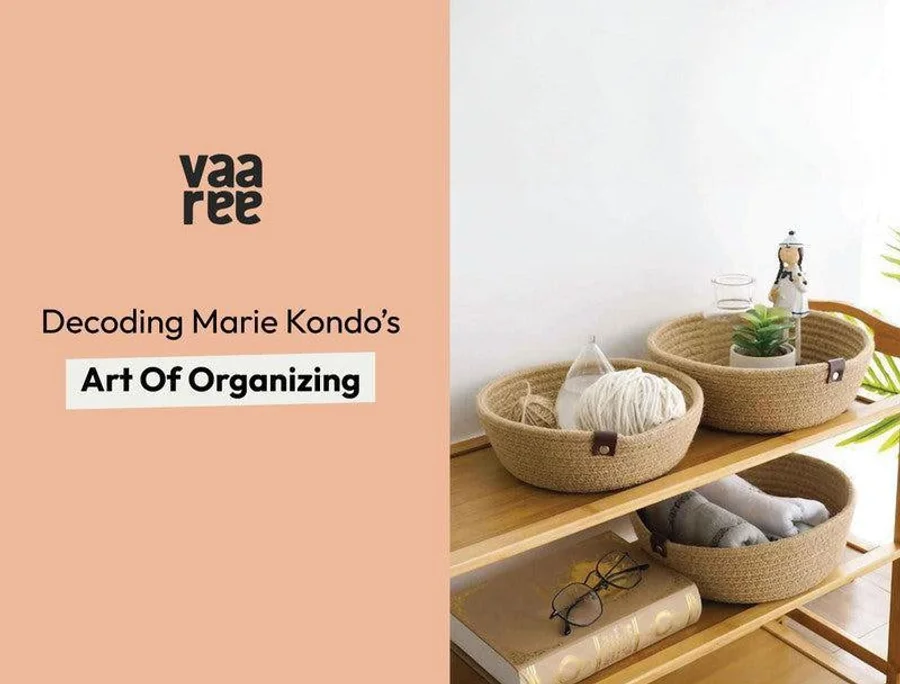

Whether it is a relationship, a job, or items in your home, you must know when to let go to live the way you have always envisioned. While we cannot do much about the first two, a Marie Kondo-inspired approach can help you organise and declutter your home.
Warning: Applying the Marie Kondo Method might result in instant gratification and more usable home space.
Unfolding the Marie Kondo Method
Start by assessing how you are presently living. Consider your mental state, what you want to surround yourself with, and the things you need for everyday functionality.
Then, imagine how you would actually like to live: an easy-to-access kitchen pantry, neatly categorised clothes and well-organised bedding, for example.
Marie Kondo suggests committing to tidying rather than doing it only in small bursts. A full tidy-up may take weeks, but working through your belongings with intention can make it easier to establish lasting routines.
The decision to discard or keep an item in the KonMari method is simple: take the item in your hand, look at it and notice how you feel. If it sparks joy or serves a clear purpose, keep it. If not, thank it for its role and dispose of, recycle or donate it responsibly. Repeat this process until you have considered all your possessions.
The Marie Kondo method suggests tidying in the following order: clothes, books, papers, miscellaneous items and sentimental items. For example, gather clothing from throughout the home before deciding what to keep. Repeat for each category.
Marie Kondo Method for Living Room
The living room is where many people spend much of their time, yet it can easily become an unconsidered drop zone.
If furniture no longer appeals to you or works for your routine, use the joy test before deciding whether to repair, re-cover, relocate or replace it.
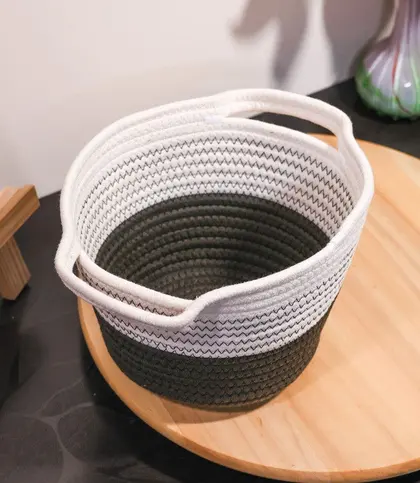
Ensure everything in the living room has a designated home. Keep remote controls in an easy-to-access organiser, and use a storage basket for throws when they are not in use.
Storage basket options
Choose baskets based on the items you want to gather and the space where they will live. Check dimensions and care instructions on the product page before choosing.

₹822
₹1,639
50%OFF

₹702
₹1,398
50%OFF
₹284
₹330
14%OFF
Use different layers of lighting according to how you use the room—for hosting, reading or winding down—and keep cords and controls contained where possible.
Marie Kondo Method for Kitchen
An organised kitchen can make everyday meal preparation feel more manageable.
Store dry foods, vegetables and oils according to their individual storage needs, keeping labels and original instructions where they are needed for identification and use.
As part of the KonMari method, store like items together. For instance, keep pulses in one area and snacks in another. Label containers clearly and arrange them so frequently used items are easy to reach.
Avoid overstocking. Before buying more, check what you already have and make space for it.
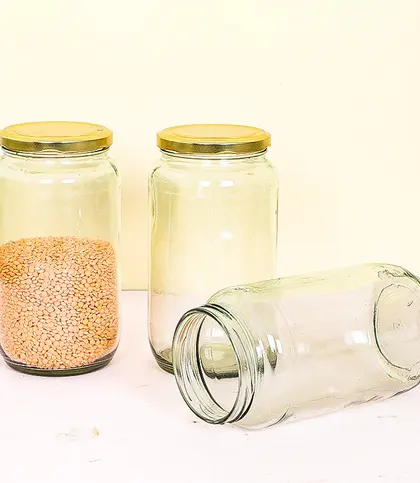
Storage jar options
Choose jars according to the ingredients and shelf space you have. Check the product page for capacity, closure details, suitability and care instructions before use.

₹142
₹295
52%OFF
₹427
₹1,109
61%OFF

₹142
₹247
43%OFF
Marie Kondo Method for Bathroom
Create a more restful bathroom by applying a Marie Kondo-inspired approach to the items you use every day.
Gather beauty and personal-care products from around the house—dressers, wardrobes and different bathrooms. Review what you use, keep what is useful or valued, and responsibly discard expired or unwanted items according to local guidance.

Keep products in their labelled containers where required for identification, safe use and storage. Use organisers to group everyday items while keeping instructions and expiry details visible.
Arrange and label the area under your sink. For instance, designate one container for cleaning liquids and another for sponges or cloths.
Use practical wall hooks or other designated spots to keep towels off surfaces.
Marie Kondo Method for Bedroom
Marie Kondo describes the bedroom as a place to relax and rejuvenate.
In your bedroom, start by making the bed when you wake up if that routine helps set the tone for your day.
Arrange clothes you enjoy wearing in a way that makes them easy to see and return. You might group them by colour, frequency of use or season, depending on what works for you.

Choose lighting that suits the way you use the bedroom, and give small objects such as vases and accent pieces a designated place.




Frequently Asked Questions
1. What is the KonMari method, and how does it apply to organising specific rooms in my home?
The KonMari method is a tidying approach centred on keeping possessions that spark joy or serve a clear purpose. Although the method is often practised by category rather than room, you can use the same decision-making process to improve individual spaces. The goal is to be surrounded by belongings you value rather than items that take up unnecessary space.
2. How can I start applying the KonMari method to my bedroom?
Start by visualising the kind of bedroom you want to create. Then gather all your clothes in one place and consider each item individually: does it spark joy, or does it have a clear role in your life?
Keep the items that belong in your wardrobe, and donate, recycle or discard the rest responsibly. Apply the same process to soft furnishings, decorative objects and other bedroom belongings. Give every item a home so the room is easier to reset each day.
3. What are some KonMari tips for organising a chaotic kitchen?
- Clean the kitchen before you begin.
- Empty one cabinet or category at a time so you can see what you own.
- Keep items that you use, value or need, and responsibly clear out the rest.
- Group similar pantry items together and label containers clearly.
- Review the fridge as well, while keeping food in its appropriate packaging or storage.
4. Can you provide KonMari advice for decluttering and organising a home office or workspace?
- Visualise how you want your workspace to function.
- Gather papers, stationery, cables and other office supplies by category.
- Keep only what is useful, required or valued.
- Categorise and label what remains, including files, stationery and technology accessories.
- Before buying new supplies, check what you already own and whether it has a designated place.
Keep exploring