

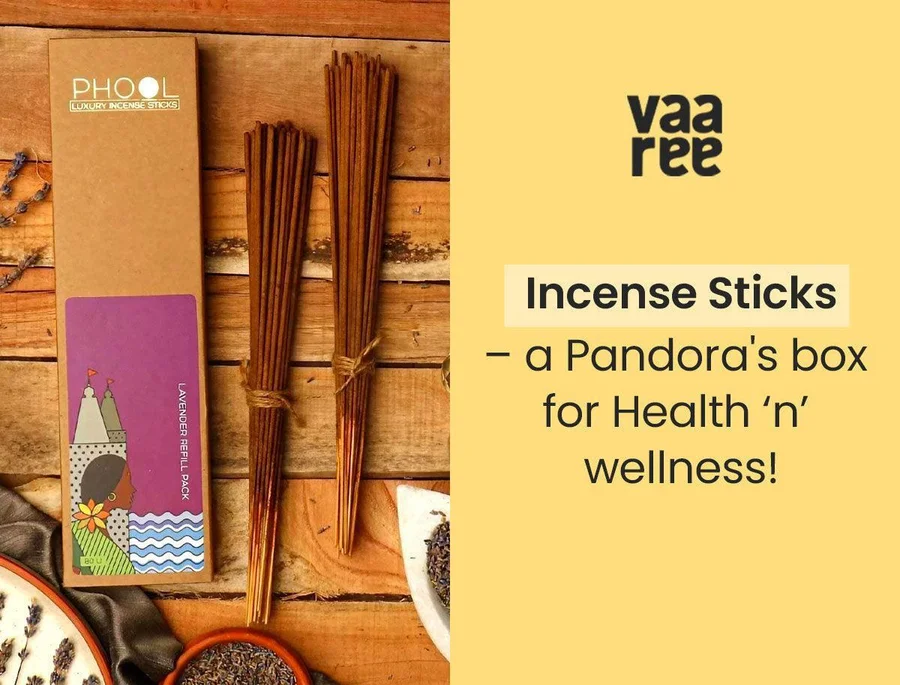
Incense is part of prayer and meditation rituals in many homes. Its fragrance and familiar routine can have personal or cultural meaning, but that does not establish medical benefits. These ten points explore how it may fit into a meditation setting and where benefit claims need care.
Here, we bring to you 10 incense sticks benefits for meditation
- A positive start
- Fragrance
- Cultural meaning
- Air freshening
- A focus cue
- Creative reflection
- A familiar routine
- A pause
- Repellent claims
- Health-claim limits
1. A positive start to the day
Lighting incense can mark the start of a quiet routine for someone who enjoys the scent. A sense of positivity is personal; it is not a promise of good luck or a particular mood.
2. Fragrance as part of the setting
Different incense products offer fragrances such as sandalwood, jasmine or rose. Choose a scent you find pleasant rather than treating fragrance as a treatment for the mind or body.
3. Religious and cultural meaning
Like diyas and dhoop, incense has a place in many religious traditions. If it is part of your practice, its significance may come from the ritual and your own beliefs.


4. Air freshening and ventilation
A fragrance can change how a room smells, but incense should not be described as an air purifier or as removing a particular percentage of bacteria. Follow product guidance and keep the space ventilated.
5. A cue to begin focusing
A familiar scent can act as a cue that it is time to sit quietly and direct attention to a meditation practice. Focus still depends on the person and the practice; incense is optional.
6. A setting for creative reflection
Some people enjoy a consistent setting for writing, reflection or creative work. Choose the environment that suits you without expecting incense to increase creativity.
7. A familiar meditation routine
Repeating a simple preparation routine may make it easier to begin meditation. You can use a quiet space without incense if smoke or fragrance is unwelcome.
8. A pause in a busy day
Making time to pause can be valuable in a busy routine. Incense should not be presented as mental healing, a treatment for depression or anxiety, or a substitute for appropriate support.
9. Checking insect-repellent claims
Do not assume ordinary fragrant incense is an insect repellent. If that is the purpose, use a product specifically intended for it and follow its instructions rather than relying on a fragrance name.
10. Separating ritual from health claims
This guide does not establish that incense improves immunity, reduces blood pressure or provides anti-inflammatory benefits. Choose it for its fragrance or ritual role rather than a health guarantee.
FAQs
1. What are incense sticks, and how are they used in meditation?
Incense sticks are aromatic sticks often burned while offering prayers or meditating. Some people enjoy the scent as part of a familiar routine, but incense is optional.
2. How do incense sticks benefit meditation practice?
A familiar fragrance may help someone mark the beginning of their routine. Its effect is personal, and no benefit is guaranteed.
3. Do incense sticks have any physical benefits during meditation?
This article does not establish physical or medical benefits. Do not rely on incense to improve immunity or treat a health condition.
4. Where can I find incense sticks for meditation?
Check individual product information for fragrance, ingredients and use guidance. A fragrance name alone does not establish purity or health benefits.
Popular Blogs
How to Celebrate Eco-Friendly Holi, How to Pick the Perfect Colour of Carpet for Your Home, 10 Kitchen Countertop Organizer Ideas, 10 Quick Ways to Update a Dining Nook, Hallway Decor Ideas, Coffee Table Decoration Ideas, How to Celebrate Gudi Padwa, Happy Holi Wishes, Decor Hacks, How to Arrange Ornaments on Shelves, Study Table Decor, Best Holi Gifts Ideas, Wedding Home Decoration.
Keep exploring