


Wall Plate Arrangement Guide
Short answer: Arrange wall plates by first choosing the wall width, layout shape, and color story. Tape the layout before hanging so the final display feels intentional instead of scattered.
The 5-Minute Choice
Plan a wall plate display by count, wall size, layout shape, color story, and installation method.
Choose The Wall Shape
A narrow wall suits a vertical stack or small cluster. A wide dining or living wall can take a larger set. Above a console, keep the arrangement centred over the furniture rather than spread across the entire wall. Let the wall shape decide the display before you choose the plate count.
Pick One Layout Rule
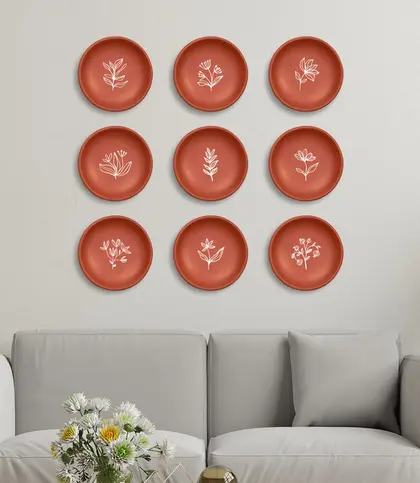
A circle cluster feels decorative and soft. A grid feels cleaner. A loose organic layout works when plate sizes vary, but it still needs a clear outer boundary. Arrange the plates on the floor first, then tape paper circles on the wall to check spacing from the room entrance.
Control Color And Pattern
Wall plates can carry strong print, so connect them with one shared color, material, or theme. If the room already has printed curtains, rugs, or cushions, choose calmer plates. If the room is plain, patterned plates can become the main wall feature.
Hang With Practical Gaps
Leave enough space between plates so each shape is visible, but not so much that the group falls apart. Check that plates are not too close to doors, chair backs, or high-traffic corners. The best arrangement is both secure and easy to dust.
The 5-Minute Decision
Measure the wall, choose vertical, grid, circle, or organic layout, select one color story, and tape the arrangement. Buy a set for a full feature wall; buy singles when adding to an existing display.
Quick Checklist
- [ ] The item solves a real daily-use, storage, lighting, fragrance, or decor problem.
- [ ] Size and count match the available surface, wall, shelf, bag, or cabinet.
- [ ] Material and finish fit the cleaning routine.
- [ ] Installation, heat, leak, or load constraints have been checked where relevant.
- [ ] The choice works with the room as it is today, not only with a future makeover.
Quick Answer
- Choose wall plates by the job it must do first, then by style.
- Measure the actual spot before buying; most mistakes come from poor fit.
- Pick easy-care materials for daily use and more decorative finishes for occasional or guest-facing use.
- If two options both look good, choose the one that makes the room easier to use in five minutes.
Definitions
- wall plates: Wall plates are decorative accents for vertical display; arrangement size and spacing matter more than using many pieces.
Before You Buy
Check where wall plates will actually be used. Measure the available space, check cleaning or storage effort, and think through how people move around it. If it creates a new inconvenience, choose a simpler or better-fitting option.
Product Picks That Fit The Decision
These picks show how the buying logic applies to real Vaaree options. Compare them by use case, size, material, finish, and where they will sit in the home.
- Use Holland Charm Metal Wall Plate - Set Of Five as a coordinated set for a wall arrangement.
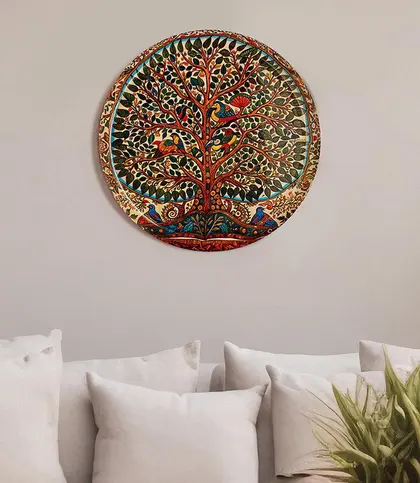
- Compare Archeron Printed Metal Wall Plate as a single printed plate for a smaller accent.
- Consider Botanical Terracotta Wall Plate - Set Of Nine as a botanical set for grouped wall styling.
 FastDelivery
Sold Out
₹2,295
₹5,499
58%OFF
 FastDelivery
₹849
₹2,999
72%OFF
₹3,199
₹3,999
20%OFF
Final Verdict
- Choose the simplest option for wall plates when daily use, cleaning, or space is the main concern.
- Choose the more decorative option when the room already works and needs warmth, texture, height, or personality.
- Combine products only when each one has a different job; the best home decisions make the room easier to live in, not just fuller.
FAQs
How many wall plates do I need?
Small walls can work with three to five plates. Larger dining or living walls often need seven to nine.
Should wall plates be in a grid?
A grid is clean and easy. Organic clusters work too, but they still need consistent spacing and a clear boundary.
Can wall plates go above a dining table?
Yes, if they are securely installed and placed high enough to avoid chair movement and accidental contact.
What should I check before buying wall plates?
Check size, material, placement, cleaning effort, and how often it will be used. The right choice should make the room easier to live in, not just better in photos.
How do I choose wall plates for daily use?
Start with the daily routine, then narrow by size, finish, and maintenance. The better choice is the one that fits the room without adding a new cleaning, storage, or movement problem.