


Wall Hook Placement Guide For Entryways And Kitchens
Short answer: Place wall hooks where the item is naturally dropped, not where the wall looks empty. Check weight, reach height, door swing, and traffic flow before drilling.
The 5-Minute Choice
Place wall hooks by item weight, reach height, door swing, traffic flow, and visual clutter.
Put Hooks At The Drop Point
Hooks work only when they sit where people already drop bags, keys, towels, aprons, or accessories. Entryways, kitchen corners, bathroom dry zones, and wardrobe sides are common spots. A hook on the wrong wall becomes decoration, while clutter still lands on chairs and counters.
Match Hook To Item Weight
Light hooks can hold keys, masks, scarves, or aprons. Heavier bags, umbrellas, or multiple items need stronger hardware and a suitable wall. Do not overload decorative hooks just because they look sturdy. Check the wall type and fastener before hanging anything heavy.
Set Reach Height For Real Users
A hook for adults can be higher; a hook for children, towels, or daily bags should be easier to reach. Keep hooks away from door swings and narrow passages where items will brush against people. In kitchens, avoid placing fabric items too close to burners or wet sinks.
The 5-Minute Decision
Choose the drop point, match hook strength to item weight, set reachable height, and test traffic flow. Good hooks make everyday habits cleaner without creating a new clutter display.
Fit And Maintenance Reality Check
Think about what the hook will look like at its messiest, not when styled empty. A hook with one bag may look useful; the same hook with three bags, keys, masks, and scarves may become visual clutter. Plan one hook per regular item and leave overflow elsewhere.
Quick Checklist
- [ ] The product matches a real routine, not just a product photo.
- [ ] Size, count, or capacity fits the home as it is today.
- [ ] Material and cleaning effort are realistic for daily use.
- [ ] Storage, installation, or safety constraints have been checked.
- [ ] The purchase makes the room easier to use, serve, cook in, host in, or organize.
Quick Answer
- Choose wall hooks by the job it must do first, then by style.
- Measure the actual spot before buying; most mistakes come from poor fit.
- Pick easy-care materials for daily use and more decorative finishes for occasional or guest-facing use.
- If two options both look good, choose the one that makes the room easier to use in five minutes.
Definitions
- Wall Hook Placement For Entryways: A wall hook should hold the item weight safely and sit where bags, keys, towels, or tools are naturally dropped.
- Kitchens: Kitchens refers to the room use case; measure the working area and choose pieces that do not block daily movement.
Before You Buy
Check where wall hooks will actually be used. Measure the available space, check cleaning or storage effort, and think through how people move around it. If it creates a new inconvenience, choose a simpler or better-fitting option.
Product Picks That Fit The Decision
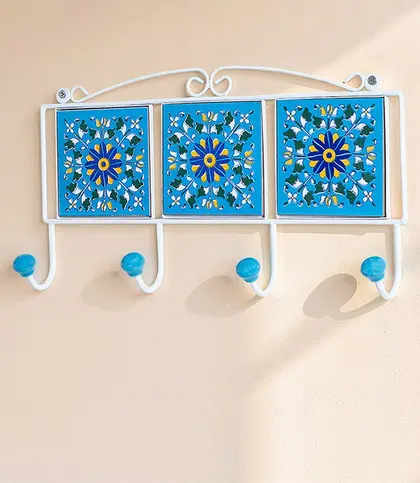
These picks show how the buying logic applies to real Vaaree options. Compare them by use case, size, material, finish, and where they will sit in the home.
- Use Bird Perch Clock & Wall Hook as a decorative hook with clock detail for entryway use.
- Compare Ajwa Handcrafted Ceramic Wall Hook as a single ceramic hook for accent storage.
- Consider Autumn Breeze Wall Hook as a decorative wall hook for light bags, keys, or accessories.

₹2,249
₹4,559
51%OFF
₹599
₹2,199
73%OFF

₹1,349
₹1,869
28%OFF
Final Verdict
- Choose the simplest option for wall hooks when daily use, cleaning, or space is the main concern.
- Choose the more decorative option when the room already works and needs warmth, texture, height, or personality.
- Combine products only when each one has a different job; the best home decisions make the room easier to live in, not just fuller.
FAQs
Where should entryway hooks be placed?
Place them near the natural drop zone, but clear of door swing and walking paths.
Can decorative hooks hold heavy bags?
Only if the hook and wall fixing are rated for the weight. Treat decorative hooks as light-duty unless proven otherwise.
How many hooks should I install?
Install for real items, not wall symmetry. Too many hooks can make clutter more visible.
What should I check before buying wall hooks?
Check size, material, placement, cleaning effort, and how often it will be used. The right choice should make the room easier to live in, not just better in photos.
How do I choose wall hooks for daily use?
Start with the daily routine, then narrow by size, finish, and maintenance. The better choice is the one that fits the room without adding a new cleaning, storage, or movement problem.