

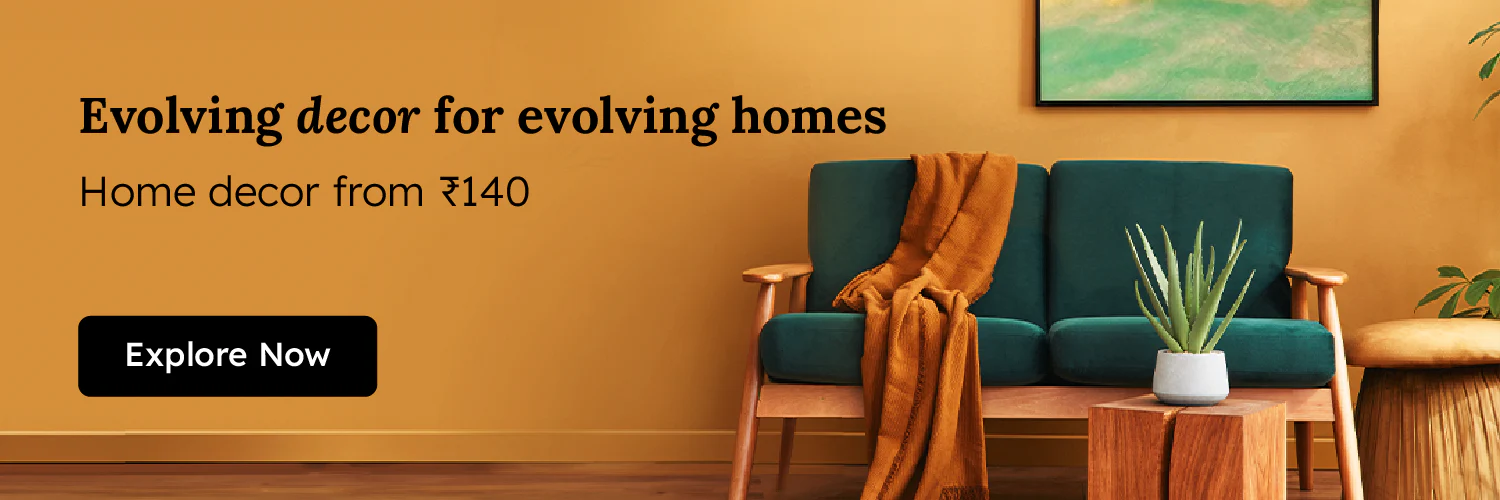
Wall Art Size And Placement Guide
Short answer: Wall art should be sized to the furniture or wall below it. Above a sofa, bed, or console, choose art that feels connected to that anchor. On an empty wall, either go larger or use a planned set; one small frame usually looks lost.
Start With The Anchor
Look at what sits below the wall.
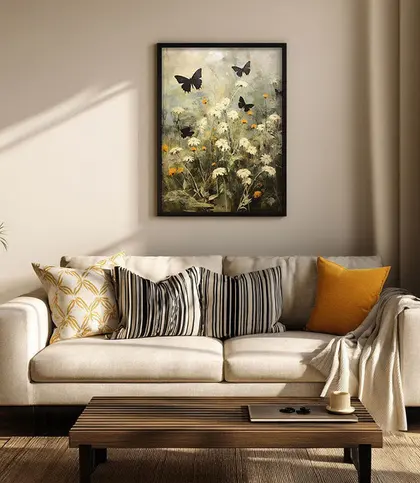
- Above sofa: art should feel wide enough to connect with the seating.
- Above bed: keep the art centered and calm.
- Above console: leave breathing room above the surface.
- Dining wall: choose art visible from seated eye level.
- Passage wall: use simpler pieces that do not crowd movement.
Avoid placing art too high. Most wall art looks better when the center sits near eye level or visually connected to furniture.
Choose One Large Piece Or A Set
One large piece feels clean and confident. A set works when you want rhythm or need to fill a wider wall. If you mix frames yourself, keep one common element such as color, frame finish, subject, or spacing.
Before You Drill
Use paper cutouts or painter's tape to mark the size on the wall. Step back from the main seating point and check whether it feels too small, too high, or too busy.
Common Mistakes
- Hanging wall art too high.
- Buying one tiny frame for a large sofa wall.
- Choosing art before checking wall color.
- Mixing frames without consistent spacing.
Quick Checklist
- [ ] Art is connected to furniture or wall size.
- [ ] Height feels natural from the room's main view.
- [ ] Frame color suits nearby furniture.
- [ ] Subject feels right for the room mood.
- [ ] Placement is tested before drilling.
Quick Answer
- Choose wall art by the job it must do first, then by style.
- Measure the actual spot before buying; most mistakes come from poor fit.
- Pick easy-care materials for daily use and more decorative finishes for occasional or guest-facing use.
- If two options both look good, choose the one that makes the room easier to use in five minutes.
Definitions
- Wall Art Size: Wall art works best when its size relates to the furniture below it and the viewing distance in the room.
- Placement: Placement means the exact wall, corner, surface, or walking path where the item will be used, so scale and access matter as much as style.
Before You Buy
Check where wall art will actually be used. Measure the available space, check cleaning or storage effort, and think through how people move around it. If it creates a new inconvenience, choose a simpler or better-fitting option.
Product Picks That Fit The Decision
These picks show how the buying logic applies to real Vaaree options. Compare them by use case, size, material, finish, and where they will sit in the home.
- Use Pink Lotus Nirvana Canvas Wall Art With Frame as a framed canvas example.
- Compare In Her Thoughts Canvas Wall Painting as a single canvas painting example.
- Consider Black & White Butterfly Wall Art - Black Frame as a high-contrast framed art example.
 FastDelivery
₹1,599
₹6,000
73%OFF

₹999
₹5,000
80%OFF
From ₹1,499
₹1,941
25%OFF
Final Verdict
- Choose the simplest option for wall art when daily use, cleaning, or space is the main concern.
- Choose the more decorative option when the room already works and needs warmth, texture, height, or personality.
- Combine products only when each one has a different job; the best home decisions make the room easier to live in, not just fuller.
FAQs
How high should wall art be?
Keep the center near eye level, or visually connected to furniture if it hangs above a sofa, bed, or console.
Is one large painting better than many small ones?
One large piece is easier. Small pieces work best as a planned set.
What art is safest for bedrooms?
Choose calmer colors and subjects that do not feel visually loud from the bed.
What should I check before buying wall art?
Check size, material, placement, cleaning effort, and how often it will be used. The right choice should make the room easier to live in, not just better in photos.
How do I choose wall art for daily use?
Start with the daily routine, then narrow by size, finish, and maintenance. The better choice is the one that fits the room without adding a new cleaning, storage, or movement problem.