

Vase Size And Styling Guide For Indian Homes
Short answer: Choose a vase by height, mouth width, surface size, and whether you will use fresh flowers, dried stems, or no stems at all. The safest vase is proportional to the table and stable when filled.
The 5-Minute Choice
Choose the right vase height, mouth width, and placement for fresh or dried stems without overcrowding the room.
Start With The Surface, Not The Vase
A vase should look intentional from the usual standing or sitting angle. On a dining table, keep the arrangement low enough for people to see across it. On a console, taller vases work because they sit against a wall and do not interrupt conversation. On a shelf, choose smaller grouped vases so the display has rhythm without turning into clutter. For a bedside table, leave space for a lamp, phone, and water glass before adding decor.
Match Vase Height To Stems
For fresh flowers, a useful rule is that stems should be about one and a half times the visible height of the vase. For pampas or dried stems, taller stems can work, but the vase must be heavy enough at the base. A narrow mouth holds a few stems upright; a wide mouth needs a fuller bunch or floral support. If you often keep the vase empty, pick shape and finish over mouth width.
Choose Material By Room Mood
Glass feels lighter and works when the room already has pattern or color. Ceramic softens a space and is forgiving on busy shelves. Metal or metallic finishes add shine, so use them as one accent rather than repeating them everywhere. If children or pets move around the area, avoid very tall narrow vases on traffic-heavy ledges.
Use Odd Groups Carefully
A set of three or five small vases works well when their heights vary. Keep one shared detail, such as color family or finish, so the group reads as collected rather than random. Leave breathing room around each piece; a styled shelf should still be easy to dust and rearrange.
The 5-Minute Decision
Pick the surface first, then decide whether you need height, width, or grouping. If the surface is narrow, choose one stable vase. If the surface is wide and empty, use a set. If you want flowers every week, prioritize mouth shape and cleaning. If the vase is mostly decorative, prioritize silhouette and finish.
Quick Checklist
- [ ] The size fits the actual surface or wall, not only the product photo.
- [ ] The piece has a clear job: height, storage, color, memory, texture, or balance.
- [ ] Daily-use areas still have enough empty space.
- [ ] Cleaning, dusting, and moving the item will be manageable.
- [ ] The color or finish connects with at least one existing element in the room.
Quick Answer
- Choose vases by the job it must do first, then by style.
- Measure the actual spot before buying; most mistakes come from poor fit.
- Pick easy-care materials for daily use and more decorative finishes for occasional or guest-facing use.
- If two options both look good, choose the one that makes the room easier to use in five minutes.
Definitions
- Vase Size: A vase should match stem height, opening width, and table or floor scale so arrangements stay balanced.
- Styling For Indian Homes: Styling For Indian Homes should be chosen by fit, use case, material, maintenance, and the exact spot where it will be used at home.
Before You Buy
Check where vases will actually be used. Measure the available space, check cleaning or storage effort, and think through how people move around it. If it creates a new inconvenience, choose a simpler or better-fitting option.
Product Picks That Fit The Decision
These picks show how the buying logic applies to real Vaaree options. Compare them by use case, size, material, finish, and where they will sit in the home.
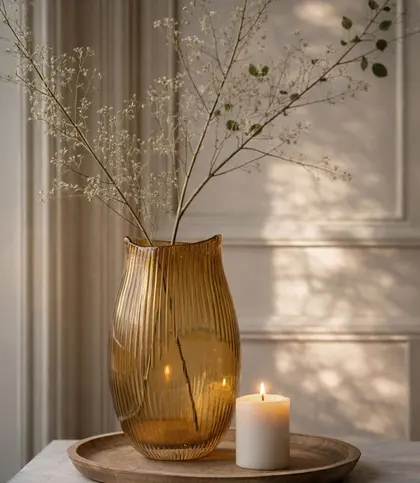
- Use Gridon Glass Vase - Gold as a tall metallic-glass option for consoles and sideboards.
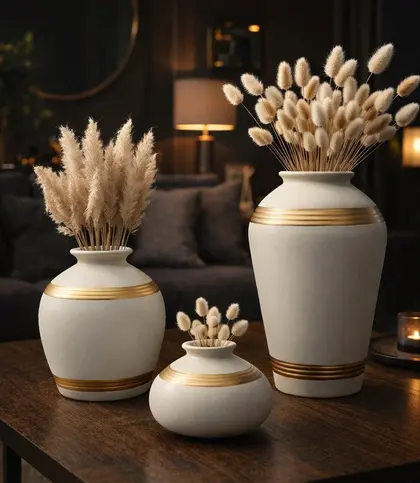
- Compare Silhouette Ceramic Vase - Set Of Three as a grouped ceramic set for shelves, dining consoles, and layered styling.
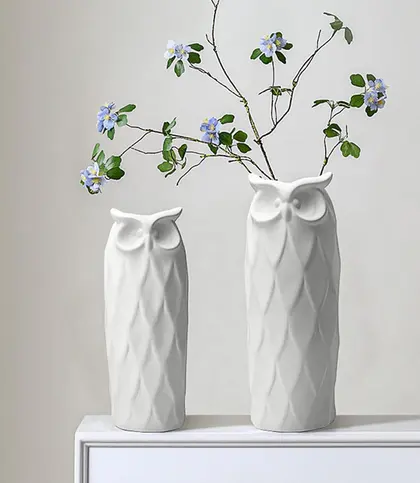
- Consider Owelette Ceramic Vase - Set Of Two as a ceramic pair for compact tables and bedside surfaces.
₹5,884
₹7,499
22%OFF
 FastDelivery
₹949
₹1,999
53%OFF
₹1,399
₹2,400
42%OFF
Final Verdict
- Choose the simplest option for vases when daily use, cleaning, or space is the main concern.
- Choose the more decorative option when the room already works and needs warmth, texture, height, or personality.
- Combine products only when each one has a different job; the best home decisions make the room easier to live in, not just fuller.
FAQs
What size vase is best for a dining table?
Choose a low or medium vase that does not block faces across the table. A stable base matters more than dramatic height.
Can I keep a vase without flowers?
Yes. Pick a vase with an interesting shape, texture, or finish so it still works as a decor object.
How many vases should I group together?
Three is easiest for most shelves and consoles. Five can work when the pieces are small and the surface is wide.
What should I check before buying vases?
Check size, material, placement, cleaning effort, and how often it will be used. The right choice should make the room easier to live in, not just better in photos.
How do I choose vases for daily use?
Start with the daily routine, then narrow by size, finish, and maintenance. The better choice is the one that fits the room without adding a new cleaning, storage, or movement problem.