
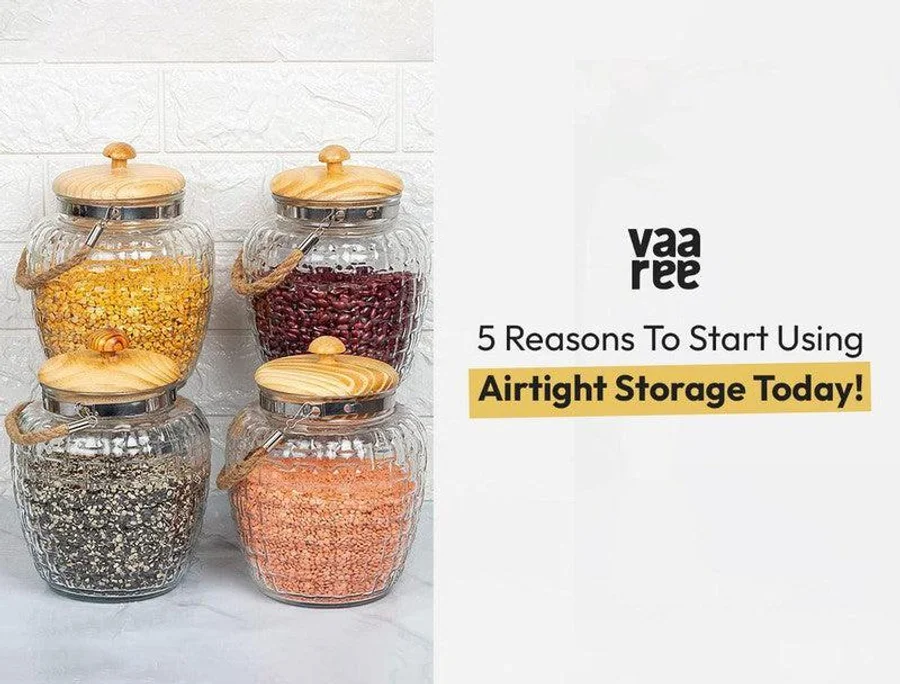
Many packaged foods instruct readers to close or transfer the contents after opening. A container described as airtight may be useful for some pantry storage, but suitability depends on the food, seal, material, storage temperature, cleaning, and manufacturer guidance.
Containers marketed as airtight come in different materials and closure designs. Verify the current product’s seal claim, food-contact guidance, capacity, leak-resistance claim, care, and suitability for storage or travel; “airtight” does not automatically mean leak-proof or suitable for every food.
How Airtight Containers Work
A well-sealed container can reduce exposure to outside air or moisture, but it does not sterilise food or make unsafe storage conditions safe. Follow the food maker’s refrigeration, shelf-life, hygiene, and storage instructions, and inspect the seal and container condition before use.
Compare the design and dimensions with the space where it will be used. Check the specific product’s composition, included pieces and care instructions before choosing.
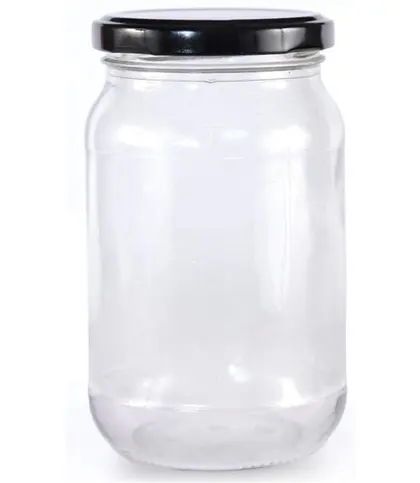
₹284
₹744
62%OFF
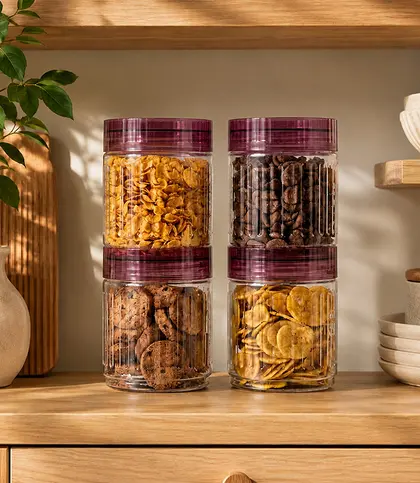
₹679
₹849
20%OFF
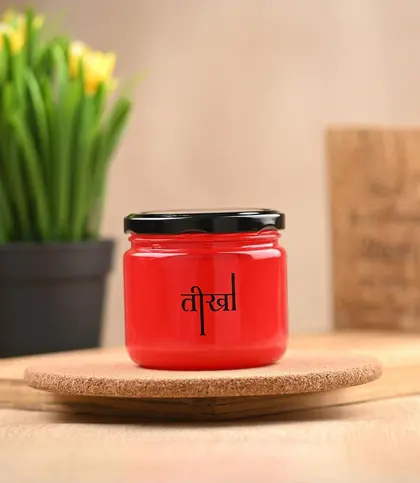
₹119
₹326
63%OFF
Types Of Items To Store In Airtight Containers
If you’re wondering which pantry items to store in airtight containers, here’s a list of items air tight containerare used for:
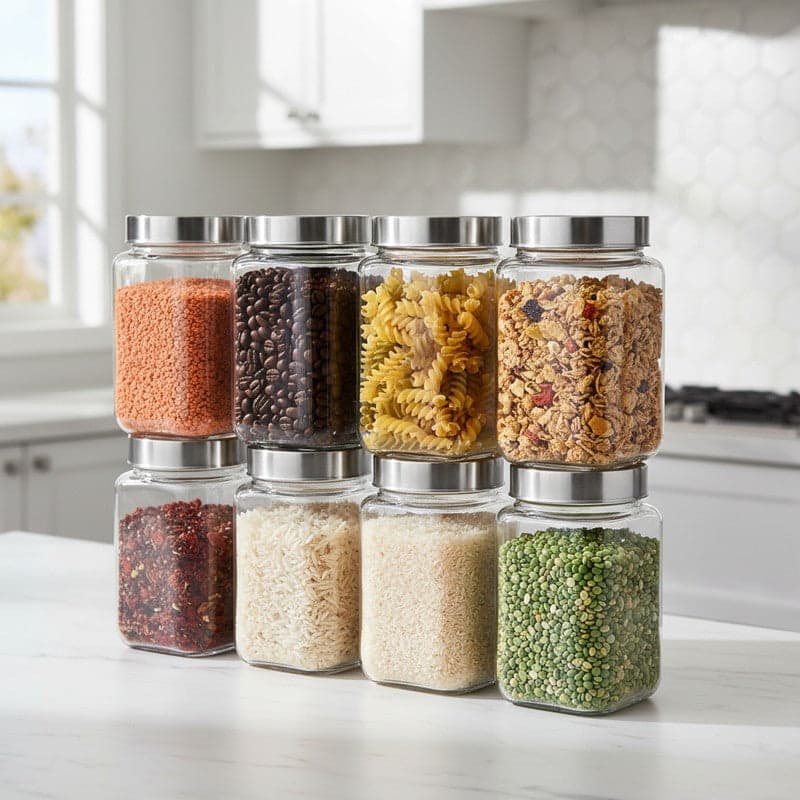
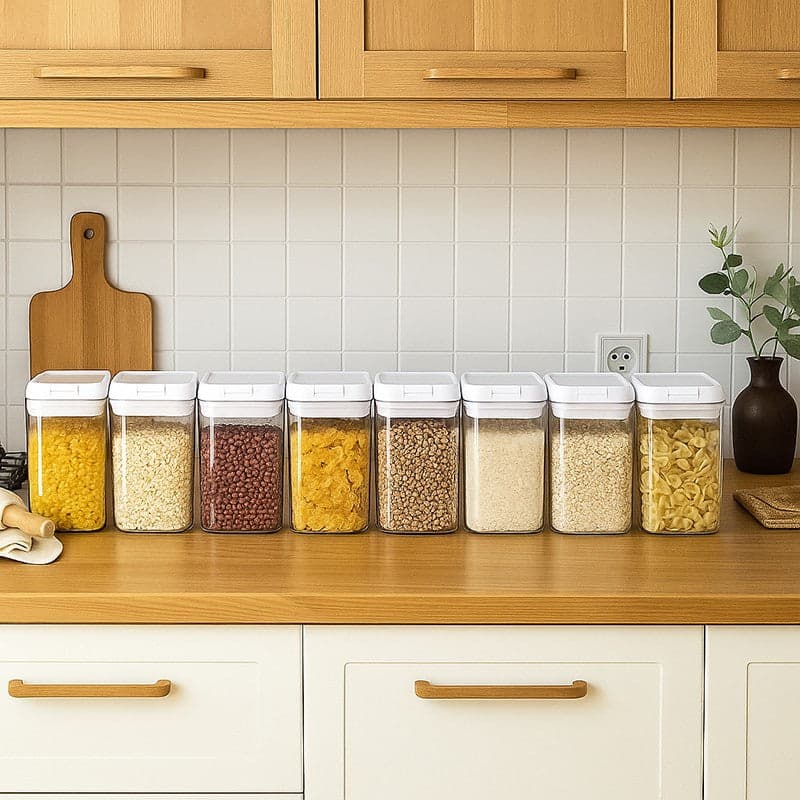
Flour – Choose a clean, dry container sized for the flour and follow the flour maker’s storage guidance. A suitable closure may help limit moisture exposure, but it does not replace dry storage or pest control.
Sugar – Store sugar according to the package guidance in a clean, dry container. Check the closure and keep moisture out rather than assuming every jar is airtight.
Whole grains, pulses, and rice – Use clean, dry containers with closures appropriate to the product, and follow package guidance for shelf life, pests, odours, and moisture.
Spices – Store spices as directed on their packaging, away from unsuitable heat, light, or moisture. Check the current container’s closure and care guidance.
Benefits of Airtight Containers
If you are still wondering what is the use of keeping food in air tight container, here are the benefits:
Potential benefits depend on the food and the container’s verified seal, material, condition, and storage method. Follow food-specific refrigeration, shelf-life, hygiene, and travel guidance.
Browse current storage containers by capacity, material, closure, care, and intended use. Check current specifications and price before buying.
Frequently Asked Questions (FAQ):
What are airtight kitchen storage containers?
Airtight kitchen storage containers are products whose makers claim a seal that limits air exchange under stated conditions. Material, seal performance, leak resistance, care, and intended use vary by product.
Why are airtight kitchen storage containers important?
A suitable sealed container can support organisation and help limit outside air or moisture for some foods. It does not replace refrigeration, hygiene, shelf-life guidance, or food-specific storage instructions, and airtight should not be assumed to mean leak-proof.
What are the benefits of using airtight kitchen storage containers?
The benefits of using airtight containers for storage are:
Possible benefits include organisation and, where the seal is verified, reduced exposure to outside air or moisture. Pest resistance, leak resistance, odour control, travel suitability, and freshness duration require product- and food-specific verification.
How do airtight kitchen storage containers help to preserve food?
Limiting air or moisture exposure can slow some deterioration for some foods, but spoilage has multiple causes. Follow the food maker’s storage, refrigeration, hygiene, and shelf-life instructions.
What types of foods can be stored in airtight containers?
Do not assume all foods can be stored the same way. Follow package or authoritative food-safety guidance for each food, especially cooked, perishable, liquid, pickled, or travel food, and verify that the container is intended for that use.
Related Collections
Keep exploring