


Showpiece Placement Guide For A Balanced Home
Short answer: A good showpiece needs the right scale, empty space around it, and a surface where it will not compete with daily-use items. Start with one focal piece, then add only what supports it.
The 5-Minute Choice
Place showpieces so they add personality without making shelves, consoles, or tables look crowded.
Give Every Showpiece A Job
A showpiece should either add height, color, texture, or a personal theme. If two pieces do the same job on the same surface, one of them will usually feel extra. Before buying, decide whether the surface needs a focal point, a smaller supporting accent, or simply more empty space.
Match Scale To Viewing Distance
Large pieces work on sideboards, consoles, and open shelves because they are viewed from a distance. Small pieces work on desks, bedside tables, and narrow shelves where people see them up close. Avoid tiny accents on a large empty console; they can look lost. Avoid oversized pieces on coffee tables; they get moved whenever the table is actually used.
Use The Triangle Rule For Groups
If you are grouping three objects, vary their heights so the eye moves naturally from one to another. A tall piece, a medium piece, and a low tray or book stack often works better than three similar figurines. Keep one shared color or finish so the group feels edited.
Leave Cleaning Space
A practical display should still be easy to dust. Leave small gaps around the object and avoid crowding delicate pieces near the edge. In homes with children, pets, or frequent guests, keep fragile showpieces away from traffic paths and low ledges.
The 5-Minute Decision
Choose one surface, decide the missing visual job, pick one focal showpiece, then stop before the surface feels full. The best decor accents make a corner feel finished without announcing that every inch has been styled.
Quick Checklist
- [ ] The size fits the actual surface or wall, not only the product photo.
- [ ] The piece has a clear job: height, storage, color, memory, texture, or balance.
- [ ] Daily-use areas still have enough empty space.
- [ ] Cleaning, dusting, and moving the item will be manageable.
- [ ] The color or finish connects with at least one existing element in the room.
Quick Answer
- Choose showpieces by the job it must do first, then by style.
- Measure the actual spot before buying; most mistakes come from poor fit.
- Pick easy-care materials for daily use and more decorative finishes for occasional or guest-facing use.
- If two options both look good, choose the one that makes the room easier to use in five minutes.
Definitions
- showpieces: A showpiece should add shape, height, or meaning to a surface without making the area harder to clean or use.
Before You Buy
Check where showpieces will actually be used. Measure the available space, check cleaning or storage effort, and think through how people move around it. If it creates a new inconvenience, choose a simpler or better-fitting option.
Product Picks That Fit The Decision
These picks show how the buying logic applies to real Vaaree options. Compare them by use case, size, material, finish, and where they will sit in the home.
- Use Botanical Grace Metal Showpiece as a metal desk or console accent.
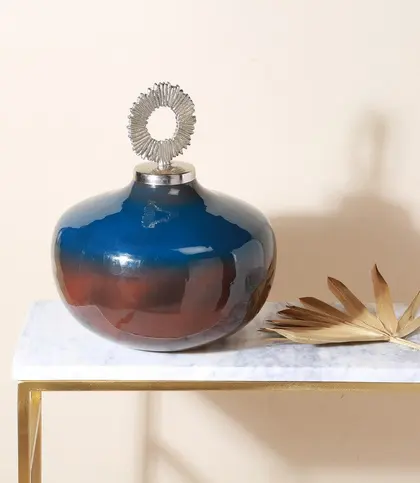
- Compare Ringcrest Metal Showpiece - Blue as a color accent for sideboards and shelves.
- Consider Star Connect Showpiece as a compact sculptural piece for layered displays.

₹4,399
₹7,299
40%OFF
₹2,080
₹3,699
44%OFF

₹1,299
₹1,490
13%OFF
Final Verdict
- Choose the simplest option for showpieces when daily use, cleaning, or space is the main concern.
- Choose the more decorative option when the room already works and needs warmth, texture, height, or personality.
- Combine products only when each one has a different job; the best home decisions make the room easier to live in, not just fuller.
FAQs
Where should I place a large showpiece?
Use larger showpieces on consoles, sideboards, open shelves, or desk corners where they have visual breathing room.
How many showpieces are enough for one shelf?
One to three pieces are usually enough for a shelf segment. Add books, a small plant, or empty space instead of more objects.
Should showpieces match the room color?
They do not need to match exactly, but one color, material, or finish should connect them to the room.
What should I check before buying showpieces?
Check size, material, placement, cleaning effort, and how often it will be used. The right choice should make the room easier to live in, not just better in photos.
How do I choose showpieces for daily use?
Start with the daily routine, then narrow by size, finish, and maintenance. The better choice is the one that fits the room without adding a new cleaning, storage, or movement problem.