


Serving Bowl Size And Material Guide
Short answer: Choose serving bowls by portion size, food type, and how often you host. Small bowls suit chutneys, snacks, and desserts; larger bowls are better for salads, curries, rice, or shared sides.
Decide The Use Case First
The right choice depends on what the item must handle every day.
- Daily-use pieces should be easy to clean and replace.
- Guest-facing pieces can be more decorative if they are still practical.
- Dining items should match how many people usually sit at the table.
- Bedroom items should suit washing frequency, warmth, and storage.
- If the item touches food or fabric often, material matters more than pattern.
Do not buy only because the set looks coordinated. Buy because every piece has a job.
Choose Material By Maintenance
Ceramic and stoneware feel polished for table service. Wood or enamel-coated bowls can look warm for salads and dry snacks but need careful cleaning. Choose stackable shapes if storage is limited.
When To Buy A Set
Buy a set when you need consistency across a dining table, bed, or guest setup. Buy individual pieces when only one part of the routine is missing. A set is useful only when the count, size, and material all match your real use.
Common Mistakes
- Buying for print before checking size.
- Ignoring washing or wiping effort.
- Choosing a delicate material for daily use.
- Buying a large set without storage space.
- Forgetting how many people use the item regularly.
Quick Checklist
- [ ] Size matches the bed, table, chair, or serving need.
- [ ] Material suits daily care.
- [ ] Set count matches regular users.
- [ ] Color works with existing linens or dinnerware.
- [ ] Storage space is available.
Quick Answer
- Choose serving bowls by the job it must do first, then by style.
- Measure the actual spot before buying; most mistakes come from poor fit.
- Pick easy-care materials for daily use and more decorative finishes for occasional or guest-facing use.
- If two options both look good, choose the one that makes the room easier to use in five minutes.
Definitions
- Serving Bowl Size: A serving bowl should match portion size, table style, and how easily it can be lifted, washed, and stored.
Before You Buy
Check where serving bowls will actually be used. Measure the available space, check cleaning or storage effort, and think through how people move around it. If it creates a new inconvenience, choose a simpler or better-fitting option.
Product Picks That Fit The Decision
These picks show how the buying logic applies to real Vaaree options. Compare them by use case, size, material, finish, and where they will sit in the home.
- Use Selora Snack Bowl(190 mL Each) - Set Of Six as a snack bowl set.
- Compare Harborstone Serving Bowls (600 mL) - Set Of Four as a four-piece rice-husk serving bowl set.
- Consider Fleur Aqua Enamel Coated Mango Wood Salad Bowl With Cutlery (900 mL) - Three Piece Set as a salad bowl set.
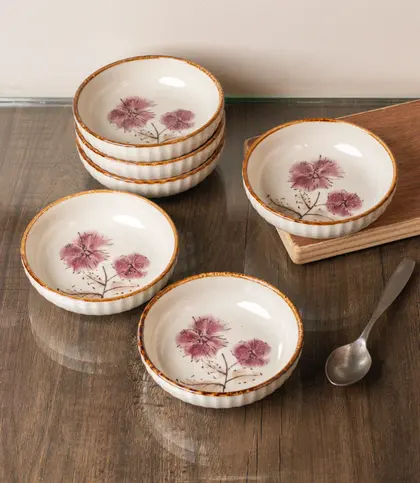
Sold Out
₹1,149
₹1,499
23%OFF
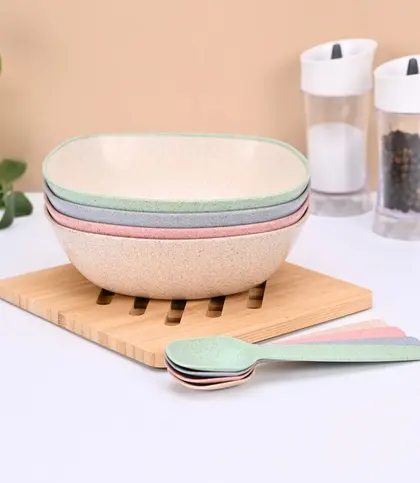
₹484
₹689
30%OFF
 FastDelivery
₹1,449
₹2,498
42%OFF
Final Verdict
- Choose the simplest option for serving bowls when daily use, cleaning, or space is the main concern.
- Choose the more decorative option when the room already works and needs warmth, texture, height, or personality.
- Combine products only when each one has a different job; the best home decisions make the room easier to live in, not just fuller.
FAQs
What should I check first?
Check size and count first. Material and color should come after the piece fits the routine.
Is a set better than single pieces?
A set is better when you need consistency. Single pieces are better when replacing or filling a specific gap.
What is the safest material choice?
Choose washable, wipeable, or durable materials for daily use. Save delicate finishes for occasional hosting.
What should I check before buying serving bowls?
Check size, material, placement, cleaning effort, and how often it will be used. The right choice should make the room easier to live in, not just better in photos.
How do I choose serving bowls for daily use?
Start with the daily routine, then narrow by size, finish, and maintenance. The better choice is the one that fits the room without adding a new cleaning, storage, or movement problem.