

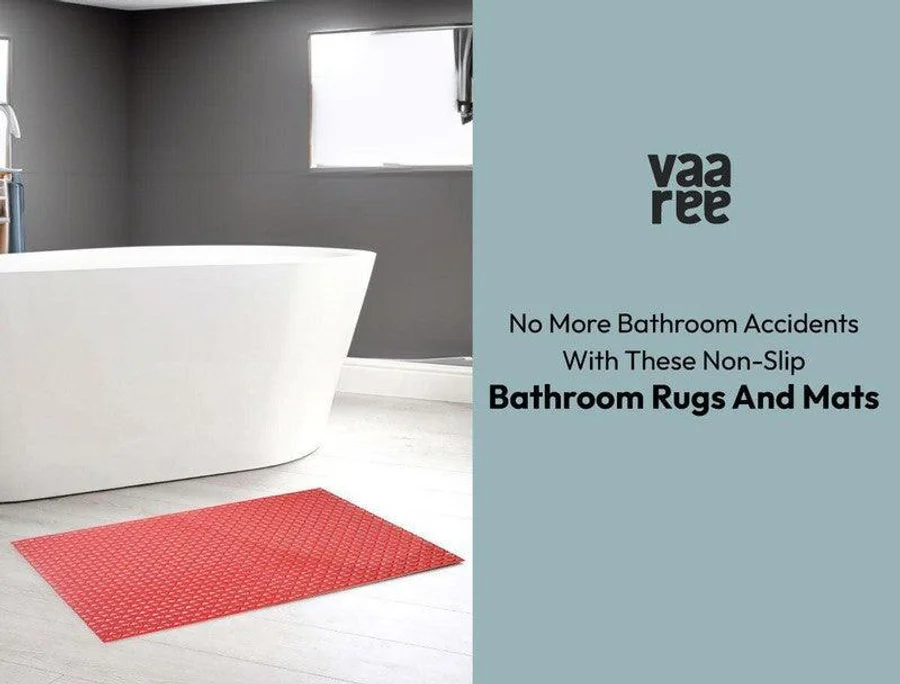
Tile, soap, and water can increase slip risk in a bathroom. A mat may improve traction when it is suitable for the surface, correctly positioned, clean, dry enough to perform as intended, and in good condition, but it cannot prevent every fall. Keep walking areas clear and follow the product maker’s placement and care instructions.
What Are Anti-Slip Mats
Products sold as anti-slip mats vary in material, texture, backing, and drainage. Check the maker’s intended location, compatible surface, installation, cleaning, and condition guidance; a mat may improve traction but cannot eliminate slipping risk. Industrial settings require task-specific chemical and workplace-safety assessment.
Things to look for before buying anti-slip mats online
Do not infer traction from texture alone; review the maker’s slip-resistance information for the intended surface and wet conditions. In a shower, follow the product’s drainage, placement, cleaning, and inspection instructions and do not allow water or soap to pool. Industrial use requires verified chemical compatibility and workplace-safety guidance.
What Are Anti-Slip Bathroom Rugs
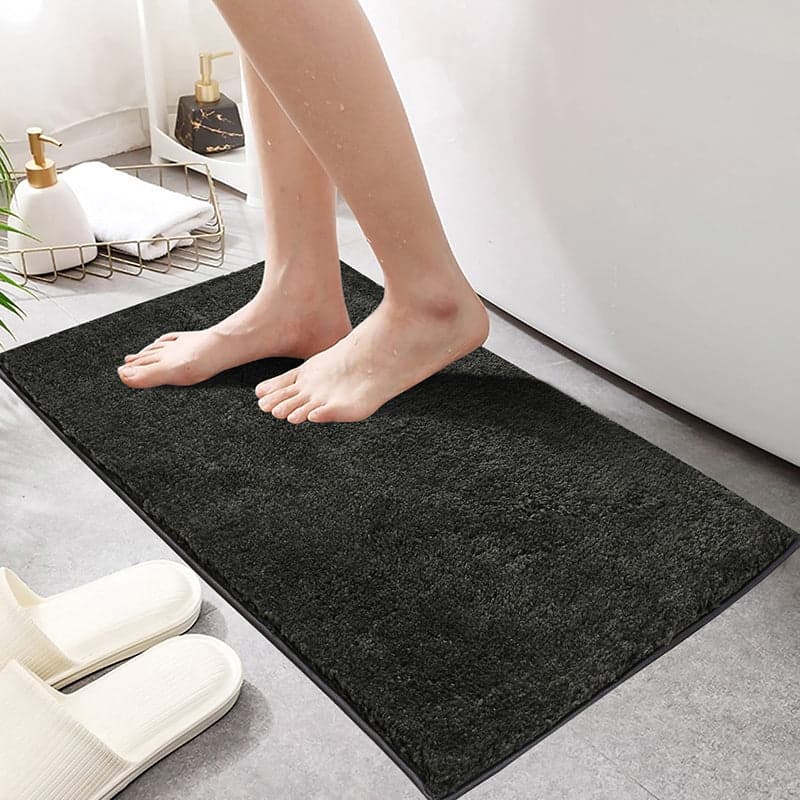
Bathroom rugs can add colour and softness to a bathroom, but their backing and floor compatibility should be checked before use. Rugs are commonly placed outside a shower or bathtub, where they can help manage water from wet feet. They may also be used around a toilet if the dimensions suit the space and do not obstruct movement.
Things to look for before buying anti-slip bathroom rugs
Choose a size and shape that fits the area around the bath, shower, or toilet without creating a curled edge or blocking a door. Check the product page for the stated material, backing, care guidance, and dimensions. Because bath rugs are exposed to moisture, clean and dry them according to the maker’s instructions and inspect them regularly for wear.
How to Compare Bath Mats and Rugs
Compare current products using their stated specifications and keep the bathroom floor as dry and clear as practical.
1. Intended location
Confirm whether the product is intended for inside a shower, beside a bath, around a toilet, or only for a dry dressing area.
2. Backing and floor compatibility
Check the maker’s backing description and compatible floor surfaces. Test stability when first placed and after cleaning.
3. Drainage and absorbency
For wet zones, follow the product guidance on drainage or absorbency and do not allow water to pool beneath or around the mat.
4. Fit and condition
Choose dimensions that do not create a curled edge or obstruct a door. Clean, dry, and inspect the mat regularly, replacing it if the backing, edges, or surface deteriorate.
For options described as anti-skid, review the product page to confirm dimensions, care instructions, and suitability for your bathroom surface.
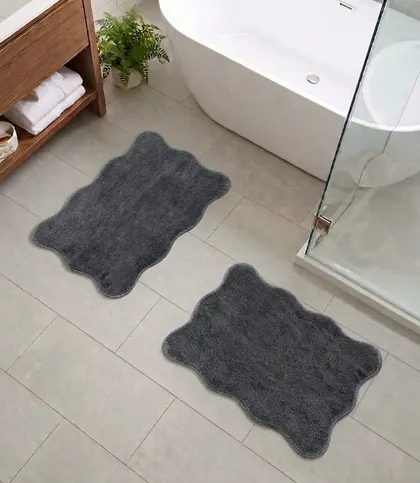
₹499
₹749
33%OFF
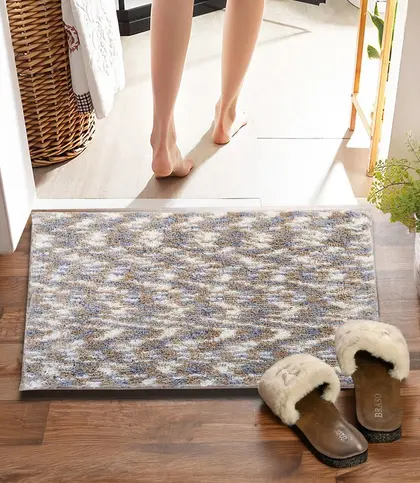
From ₹719
₹999
28%OFF
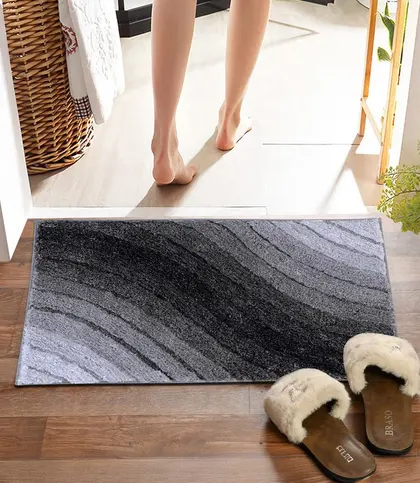
From ₹879
₹1,199
26%OFF
Frequently Asked Questions
1. Why is finding a non-slip bathroom rug or bath mat important for safety?
A suitable mat may help manage water or improve traction, but no mat prevents every fall. Verify the maker’s backing, absorbency or drainage, compatible surface, fit, cleaning, and inspection guidance.
2. What are the key features to look for in a non-slip bathroom rug or bath mat?
Look for a product suited to the intended location and floor surface. Check its stated dimensions, backing, material, drainage or absorbency guidance, care instructions, and condition after use and cleaning.
3. How do non-slip bathroom rugs and bath mats prevent slips and falls?
Construction and performance vary by product. Check the maker’s stated absorbency or drainage, drying, backing, compatible surface, and placement guidance; wetness, soap, wear, or an unsuitable floor can reduce traction, so never assume a mat will not move.
Related Collections
Keep exploring