


Photo Frame Wall Collage Guide
Short answer: Plan a photo frame wall by deciding the wall width, number of frames, spacing, and photo color mood before drilling. A good collage feels personal but still has a clear layout system.
The 5-Minute Choice
Plan a photo frame wall by choosing frame count, layout, spacing, and print style before making holes.
Choose The Wall And Viewing Distance
A hallway wall can handle smaller frames because people see it up close. A sofa or bed wall needs larger frames or a wider collage because it is viewed from farther away. Staircase walls need a rising layout, while rectangular walls usually look cleaner with a grid or centred cluster.
Pick A Layout System
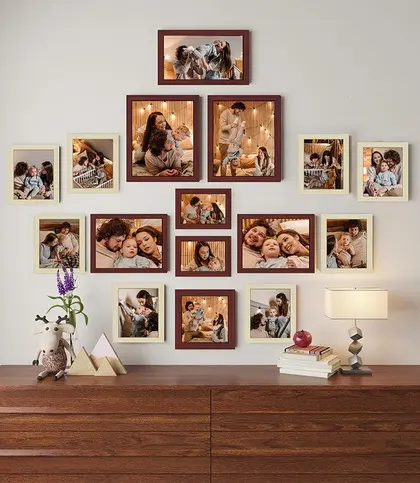
A grid is easiest when all frames are the same size. A salon-style collage works when frames vary, but it needs a clear outer boundary. A horizontal row is good above consoles and beds. Before drilling, arrange the frames on the floor or cut paper templates and tape them to the wall.
Control Spacing And Alignment
Consistent spacing makes even mixed frames look intentional. Keep the gap similar between frames, and align either the top line, centre line, or outer edge. If every frame floats independently, the wall can feel messy even when the photos are meaningful.
Edit The Photos, Not Just The Frames
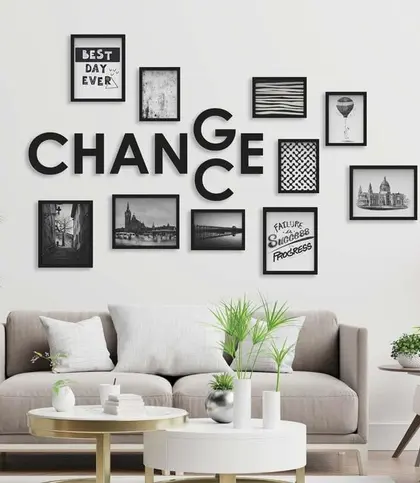
A gallery wall looks calmer when photos share a color mood. Mix close-up portraits, wider travel shots, and quiet detail photos so the wall does not feel repetitive. If the room already has many colors, black-and-white or warm neutral prints can make the collage easier to live with.
The 5-Minute Decision
Measure the wall, choose grid or collage, decide frame count, and tape the layout before drilling. Buy a large set when you want one complete wall. Buy single frames when expanding an existing arrangement or balancing one awkward gap.
Quick Checklist
- [ ] The size fits the actual surface or wall, not only the product photo.
- [ ] The piece has a clear job: height, storage, color, memory, texture, or balance.
- [ ] Daily-use areas still have enough empty space.
- [ ] Cleaning, dusting, and moving the item will be manageable.
- [ ] The color or finish connects with at least one existing element in the room.
Quick Answer
- Choose photo frames by the job it must do first, then by style.
- Measure the actual spot before buying; most mistakes come from poor fit.
- Pick easy-care materials for daily use and more decorative finishes for occasional or guest-facing use.
- If two options both look good, choose the one that makes the room easier to use in five minutes.
Definitions
- photo frames: A photo frame should suit photo size, wall or tabletop placement, and whether it is part of a larger collage.
Before You Buy
Check where photo frames will actually be used. Measure the available space, check cleaning or storage effort, and think through how people move around it. If it creates a new inconvenience, choose a simpler or better-fitting option.
Product Picks That Fit The Decision
These picks show how the buying logic applies to real Vaaree options. Compare them by use case, size, material, finish, and where they will sit in the home.
- Use Daphne Photo Frame - Set Of Sixteen as a large set for full gallery walls.
- Compare Chance & Change Photo Frame Collage - Set Of Ten as a ready collage set for family walls.
₹1,599
₹8,000
80%OFF
₹1,799
₹3,998
55%OFF
Final Verdict
- Choose the simplest option for photo frames when daily use, cleaning, or space is the main concern.
- Choose the more decorative option when the room already works and needs warmth, texture, height, or personality.
- Combine products only when each one has a different job; the best home decisions make the room easier to live in, not just fuller.
FAQs
How many frames do I need for a gallery wall?
A compact wall can work with six to ten frames. A larger sofa or hallway wall may need ten to sixteen depending on frame size.
Should all photo frames match?
Matching frames create a clean grid. Mixed frames can work if they share color, material, or consistent spacing.
What is the easiest layout for beginners?
A simple grid is easiest because spacing and alignment are clear. Use paper templates before making holes.
What should I check before buying photo frames?
Check size, material, placement, cleaning effort, and how often it will be used. The right choice should make the room easier to live in, not just better in photos.
How do I choose photo frames for daily use?
Start with the daily routine, then narrow by size, finish, and maintenance. The better choice is the one that fits the room without adding a new cleaning, storage, or movement problem.