


Kitchen Storage Containers Buying Guide
Short answer: Buy kitchen containers by food type and shelf space, not by the number of pieces in a set. Use airtight containers for staples and snacks, transparent containers for quick visibility, and countertop organizers only for items you use daily. The best storage system is the one you can refill, clean, and maintain.
Start With What You Store
List your regular staples before buying.
- Rice, atta, and large staples need bigger containers.
- Dal, poha, pasta, and snacks work well in mid-size airtight containers.
- Masalas need smaller jars that are easy to open while cooking.
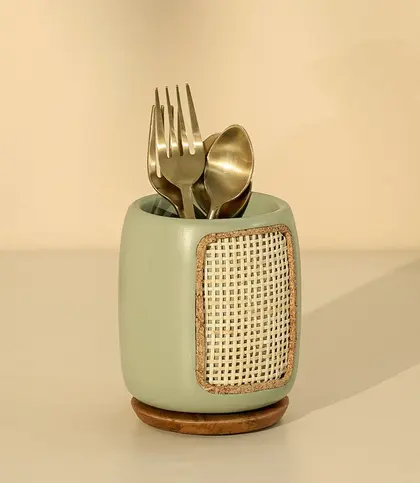
- Cutlery and ladles need open access near the prep zone.
- Rarely used items can go into closed shelves instead of the counter.
If every container is the same size, some will be too big and others too small. A useful kitchen usually needs a mix.
Choose Material By Use
Plastic airtight containers are light and practical for pantry shelves. Glass looks clean and avoids odor retention, but it is heavier and needs careful handling. Steel is durable and opaque, so it works better when you label or already know what is inside. Wood or open holders are best for dry tools, not food storage.
Common Mistakes
- Buying too many small containers for large staples.
- Choosing opaque containers without labels.
- Keeping rarely used items on the counter.
- Ignoring shelf height before buying tall jars.
- Mixing containers that cannot stack or line up neatly.
Quick Checklist
- [ ] Container sizes match actual food quantities.
- [ ] Airtight lids are used for staples and snacks.
- [ ] Transparent or labelled storage prevents confusion.
- [ ] Tall containers fit shelves and drawers.
- [ ] Countertop storage is reserved for daily-use tools.
Quick Answer
- Choose kitchen storage by the job it must do first, then by style.
- Measure the actual spot before buying; most mistakes come from poor fit.
- Pick easy-care materials for daily use and more decorative finishes for occasional or guest-facing use.
- If two options both look good, choose the one that makes the room easier to use in five minutes.
Definitions
- kitchen storage: Storage should make daily items easier to find and return; the best option matches item size, shelf depth, and cleaning routine.
Before You Buy
Check where kitchen storage will actually be used. Measure the available space, check cleaning or storage effort, and think through how people move around it. If it creates a new inconvenience, choose a simpler or better-fitting option.
Product Picks That Fit The Decision
These picks show how the buying logic applies to real Vaaree options. Compare them by use case, size, material, finish, and where they will sit in the home.
- Use Essentio Airtight Plastic Storage Container - Set Of Eight as a airtight set for pantry staples and snacks.
- Compare Snaplock Aero Seal Air Tight Container (White/1000 mL Each) - Set of Six as a uniform 1000 ml plastic set for pulses, snacks, and shelves.
- Consider Jali Wooden Cutlery Holder as a countertop organization for tools that need daily access.

From ₹899
₹1,999
55%OFF

₹899
₹1,139
21%OFF
₹1,889
₹2,299
18%OFF
Final Verdict
- Choose the simplest option for kitchen storage when daily use, cleaning, or space is the main concern.
- Choose the more decorative option when the room already works and needs warmth, texture, height, or personality.
- Combine products only when each one has a different job; the best home decisions make the room easier to live in, not just fuller.
FAQs
Are airtight containers necessary?
For staples, snacks, and foods that lose freshness quickly, yes. Airtight storage helps reduce moisture exposure and keeps the pantry cleaner.
Should all containers be the same size?
No. Matching containers look neat, but kitchens work better with sizes matched to real ingredients.
What should stay on the counter?
Only keep daily-use items on the counter: cutlery, ladles, tea or coffee basics, and frequently used spices. Store the rest inside shelves.
What should I check before buying kitchen storage?
Check size, material, placement, cleaning effort, and how often it will be used. The right choice should make the room easier to live in, not just better in photos.
How do I choose kitchen storage for daily use?
Start with the daily routine, then narrow by size, finish, and maintenance. The better choice is the one that fits the room without adding a new cleaning, storage, or movement problem.