


Kitchen Apron Buying Guide For Indian Cooking
Short answer: Choose a kitchen apron by splash level, fabric, coverage, and washing routine. Waterproof aprons suit wet or oily cooking; cotton aprons feel softer for lighter prep and baking.
The 5-Minute Choice
Choose an apron by cooking style, fabric, coverage, pockets, and washing effort.
Match Apron To Cooking Style
Indian cooking can involve oil splatter, haldi stains, atta dust, wet vegetable prep, and frequent hand washing. If your routine includes frying, tadka, or dishwashing between steps, waterproof or wipeable materials are practical. If you mostly bake, chop, or serve, cotton can feel lighter and more comfortable.
Check Coverage And Tie Fit
An apron should protect the chest and lap without restricting movement. Adjustable neck straps help different family members use the same apron. Long waist ties are useful, but they should not hang near burners. If you cook for long stretches, comfort around the neck matters more than print.
Use Pockets With Judgment
Pockets are useful for a towel, spoon, phone, or recipe note, but they should not become clutter. For stove work, avoid keeping anything bulky or heat-sensitive in the pocket. A towel loop or small pocket is enough for most daily cooking.
The 5-Minute Decision
Choose waterproof for splash-heavy cooking, cotton for lighter prep, adjustable fit for shared use, and simple care for daily use. A good apron makes cooking cleaner without adding another fussy item to wash.
Fit And Maintenance Reality Check
Try to solve the one problem that actually makes cooking messy in your home. If the issue is oil splash, choose coverage and wipeability. If the issue is flour or baking prep, comfort and washing matter more. A daily apron should be easy to hang near the kitchen so people actually reach for it.
Quick Checklist
- [ ] The product matches a real routine, not just a product photo.
- [ ] Size, count, or capacity fits the home as it is today.
- [ ] Material and cleaning effort are realistic for daily use.
- [ ] Storage, installation, or safety constraints have been checked.
- [ ] The purchase makes the room easier to use, serve, cook in, host in, or organize.
Quick Answer
- Choose aprons by the job it must do first, then by style.
- Measure the actual spot before buying; most mistakes come from poor fit.
- Pick easy-care materials for daily use and more decorative finishes for occasional or guest-facing use.
- If two options both look good, choose the one that makes the room easier to use in five minutes.
Definitions
- aprons: An apron protects clothes during cooking; material choice depends on whether the routine involves oil splashes, wet prep, or light baking.
Before You Buy
Check where aprons will actually be used. Measure the available space, check cleaning or storage effort, and think through how people move around it. If it creates a new inconvenience, choose a simpler or better-fitting option.
Product Picks That Fit The Decision
These picks show how the buying logic applies to real Vaaree options. Compare them by use case, size, material, finish, and where they will sit in the home.
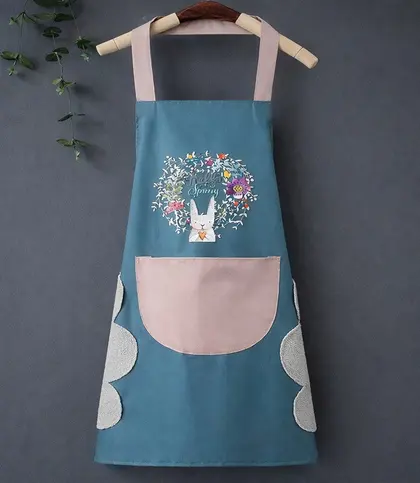
- Use Chic Pink PVC Apron with Handy Towels and Pocket as a pvc apron option for splash-heavy cooking.
- Compare Waterproof Blue Chef Apron Comfortable PVC Kitchen Wear as a waterproof apron for daily wet prep.
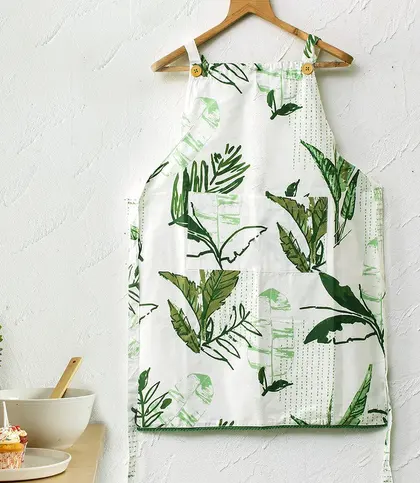
- Consider Terrona Drift Cotton Apron as a cotton apron option for lighter cooking and baking.

₹286
₹499
43%OFF
₹286
₹499
43%OFF
 FastDelivery
₹664
₹699
5%OFF
Final Verdict
- Choose the simplest option for aprons when daily use, cleaning, or space is the main concern.
- Choose the more decorative option when the room already works and needs warmth, texture, height, or personality.
- Combine products only when each one has a different job; the best home decisions make the room easier to live in, not just fuller.
FAQs
Is a waterproof apron better?
It is better for wet prep, frying, and dishwashing. Cotton is more comfortable for lighter cooking and baking.
Do apron pockets matter?
They help, but one or two practical pockets are enough. Avoid bulky pockets near active stove work.
How many aprons does a kitchen need?
One daily-use apron and one spare are enough for most homes, especially if cooking happens every day.
What should I check before buying aprons?
Check size, material, placement, cleaning effort, and how often it will be used. The right choice should make the room easier to live in, not just better in photos.
How do I choose aprons for daily use?
Start with the daily routine, then narrow by size, finish, and maintenance. The better choice is the one that fits the room without adding a new cleaning, storage, or movement problem.