

Indoor Planter Size Guide
Short answer: Choose an indoor planter that is only slightly larger than the plant's current pot, suits the room's light, and has a watering plan. Oversized planters look dramatic, but they can make watering harder and overwhelm small rooms.
Match Planter To Plant Size
A planter should support growth without swallowing the plant.
- Small tabletop plants need compact planters and stable bases.
- Floor plants need heavier planters that do not tip.
- Tall plants need visual weight at the bottom.
- Trailing plants work well on stands or shelves.
- Low-light corners need plants first, planter second.
If you are using a decorative outer planter, keep the nursery pot inside and remove it for watering when needed.
Drainage And Cleaning
Indoor planters need drainage discipline. If the planter has no drainage hole, use it as a cachepot with a removable inner pot. Always protect wooden floors, rugs, and shelves from water marks. In rented apartments, saucers and trays are not optional.
When To Choose A Floor Planter
Use a floor planter when the plant is tall enough to hold the corner visually. If the plant is small, lift it on a stand or shelf instead of putting a tiny plant in a large floor pot.
For narrow balconies or passages, choose a taller slim planter instead of a wide one. The plant should add height without blocking movement.
Common Mistakes
- Buying a planter far larger than the plant.
- Forgetting water protection under the pot.
- Placing sun-loving plants in dark corners.
- Choosing lightweight planters for tall plants.
Quick Checklist
- [ ] Planter size suits current plant size.
- [ ] Drainage or removable inner pot is planned.
- [ ] Floor or shelf is protected from water.
- [ ] Planter weight prevents tipping.
- [ ] Color works with the room, not only the plant.
Quick Answer
- Choose planters by the job it must do first, then by style.
- Measure the actual spot before buying; most mistakes come from poor fit.
- Pick easy-care materials for daily use and more decorative finishes for occasional or guest-facing use.
- If two options both look good, choose the one that makes the room easier to use in five minutes.
Definitions
- planters: A planter should match plant size, drainage needs, floor or tabletop space, and the amount of water mess the room can handle.
Before You Buy
Check where planters will actually be used. Measure the available space, check cleaning or storage effort, and think through how people move around it. If it creates a new inconvenience, choose a simpler or better-fitting option.
Product Picks That Fit The Decision
These picks show how the buying logic applies to real Vaaree options. Compare them by use case, size, material, finish, and where they will sit in the home.
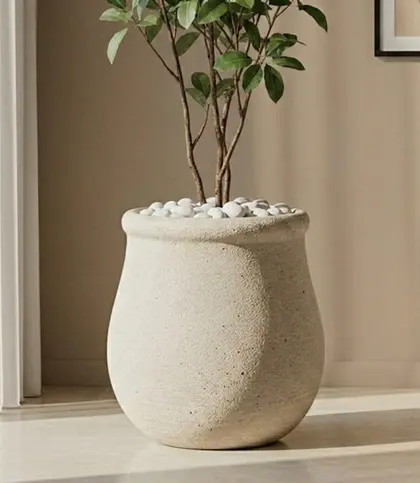
- Use Clayra Floor Planter - Off White as a large floor planter example.
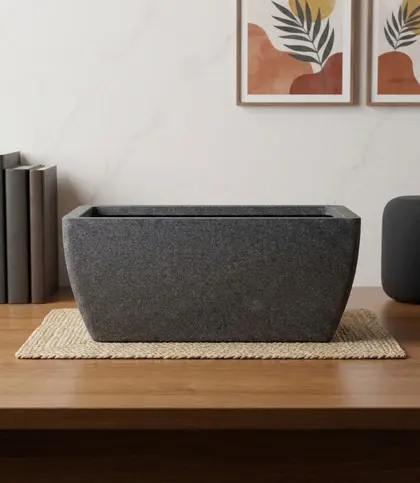
- Compare Meadow Glow Planter - Black as a compact dark planter option.
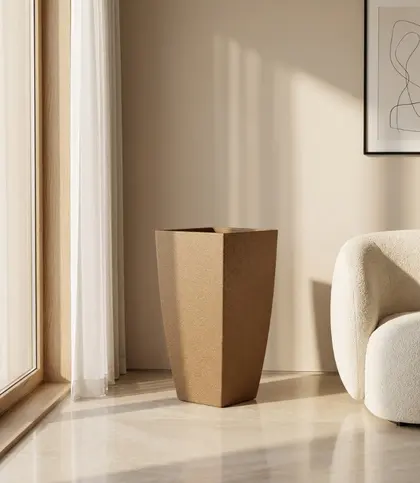
- Consider Obsidian Bloom Planter - Brown as a warm neutral planter example.
From ₹3,849
₹5,899
34%OFF
From ₹2,099
₹3,999
48%OFF
From ₹1,999
₹5,249
64%OFF
Final Verdict
- Choose the simplest option for planters when daily use, cleaning, or space is the main concern.
- Choose the more decorative option when the room already works and needs warmth, texture, height, or personality.
- Combine products only when each one has a different job; the best home decisions make the room easier to live in, not just fuller.
FAQs
Should indoor planters have drainage holes?
Direct planting works best with drainage. Decorative planters without holes are safer as outer pots.
Can I use a large planter for a small plant?
It may look unbalanced and can make watering difficult. Size up gradually.
What planter color is safest?
White, black, brown, and muted neutrals are easiest to reuse across rooms.
What should I check before buying planters?
Check size, material, placement, cleaning effort, and how often it will be used. The right choice should make the room easier to live in, not just better in photos.
How do I choose planters for daily use?
Start with the daily routine, then narrow by size, finish, and maintenance. The better choice is the one that fits the room without adding a new cleaning, storage, or movement problem.