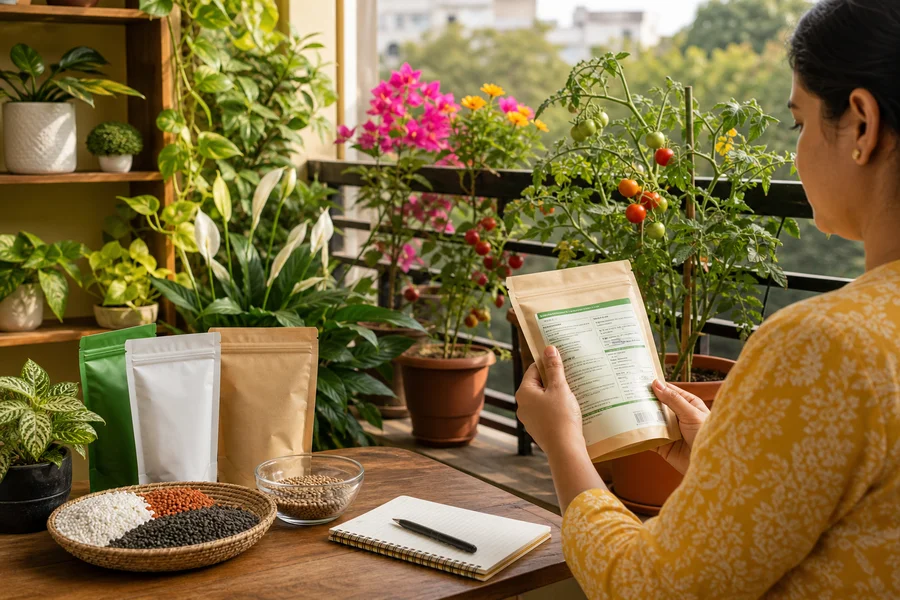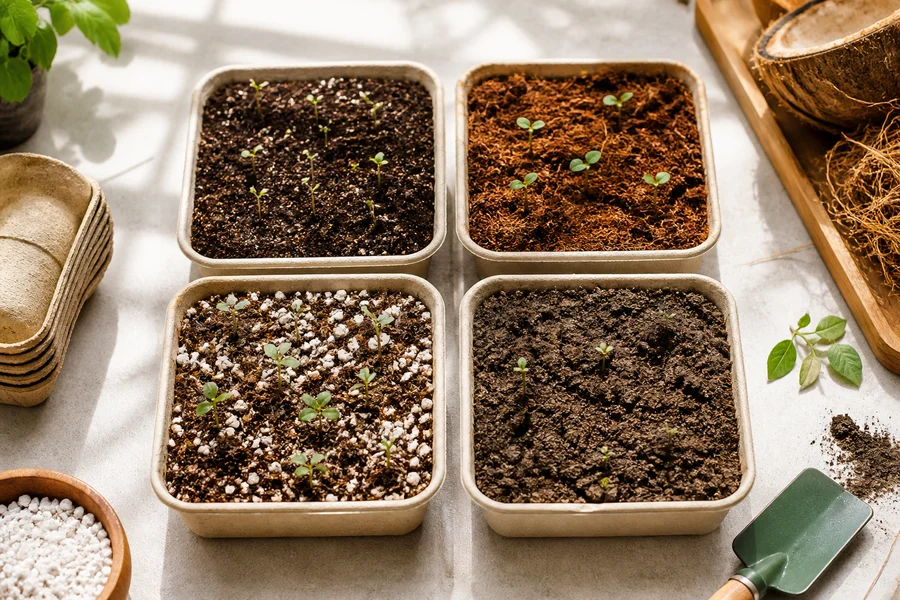
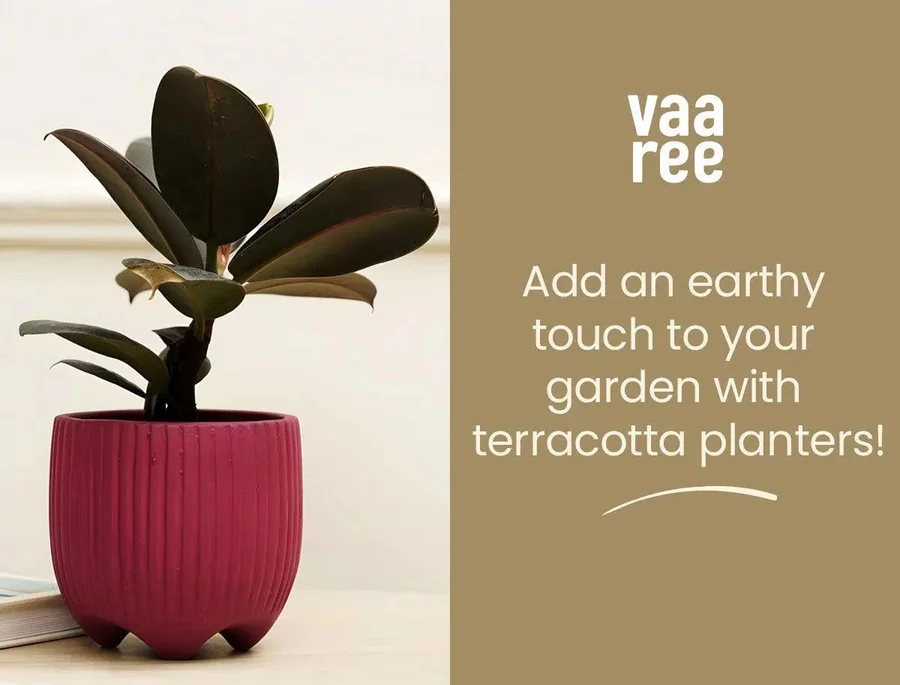
A terrace garden filled with plants can bring colour and life to a home. Choosing the right pots is an important part of helping each plant settle into its space. Along with terracotta, you may find clay, ceramic and plastic planters; the best choice depends on the plants you want to grow and the conditions on your terrace.
What exactly are terracotta pots?
Terracotta means “baked earth” in Italian. It is a type of clay that has been shaped and fired, commonly used for pots and other household objects. Terracotta and other clay planters can have a similar earthy appearance, but their finishes, firing and care requirements may differ.
Unglazed terracotta is commonly porous, so moisture can move through the pot walls as well as evaporate from the soil surface. This can suit plants that prefer the potting mix to dry between waterings, but it also means you may need to check moisture more often.
Here are some advantages of using terracotta pots for your plants
- Terracotta gives a terrace garden a warm, natural look.
- Unglazed terracotta is commonly porous, which can be useful for plants that prefer well-drained conditions.
- It is available in a range of shapes and sizes for individual plants or grouped displays.
- You can use a saucer beneath a planter where appropriate to catch runoff and protect the terrace surface.
- The surface can be painted or decorated if you would like to personalise the display.
Terracotta may not suit every terrace or every plant. In hot, windy or sunny positions, potting mix can dry quickly. Repeated freezing conditions can also damage some pots. Consider your local weather, the planter’s placement and how often you can water before deciding.
How to choose terracotta planters for a terrace garden
Choose a planter with drainage appropriate to the plant and your watering routine. A drainage hole helps excess water leave the pot; if you use a saucer, empty standing water after watering rather than letting roots sit in it.
Before choosing a planter, consider the following questions:
- How much terrace space do you have, and how many pots can it comfortably hold?
- What plants do you want to grow, and how large are their roots likely to become?
- How much water does each plant need?
- What weather conditions does your terrace experience?
- What potting mix will you use?
- How much direct sunlight does the area receive?
- Is the terrace exposed to strong heat, wind, heavy rain or cold weather?
Select a size that gives the roots room to grow without leaving an excessive volume of wet potting mix around a small plant. Check the planter for visible cracks, a stable base and a drainage arrangement that suits your plant. Review the product page for dimensions, care guidance and included pieces before buying.
For a coordinated terrace display, compare a single planter with sets in the quantity that suits your available space.
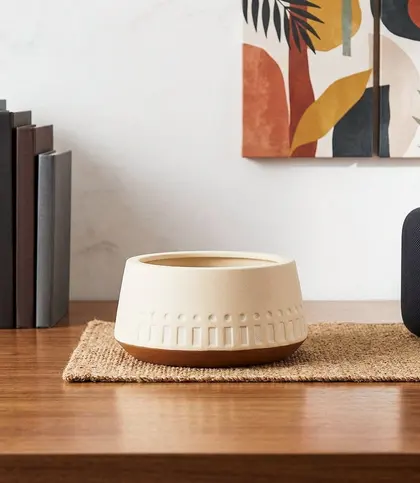
Sold Out
₹422
₹999
58%OFF

₹714
₹1,920
63%OFF
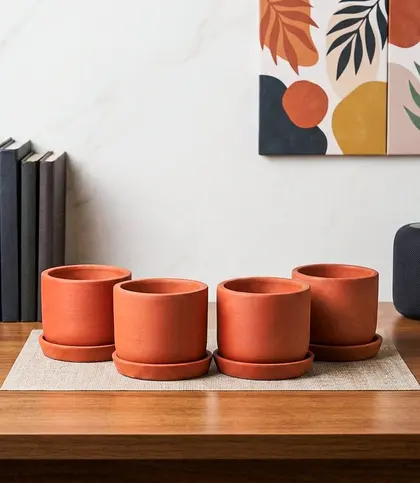
₹1,253
₹1,599
22%OFF
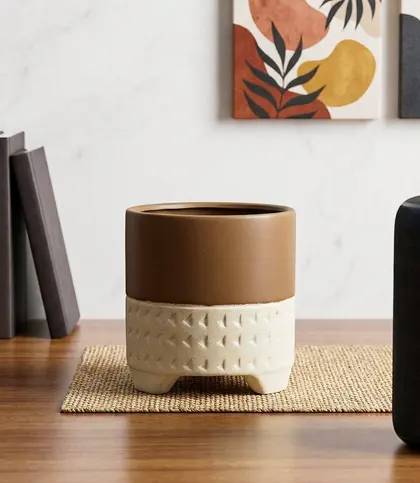
Sold Out
₹412
₹915
55%OFF
FAQs
1. Which plants prefer terracotta pots?
Terracotta can be a useful option for plants that prefer the potting mix to dry somewhat between waterings, such as many cacti and succulents. Requirements vary by plant, season and location, so follow the care guidance for your particular plant.
2. Are terracotta pots good for outdoors?
Terracotta can be used outdoors when its placement and care suit the local conditions. Check for drainage, protect the pot from severe weather where needed, and take extra care in freezing conditions.
3. What is the difference between terracotta and clay planters?
Terracotta is a type of fired clay. Other clay planters may use different clay bodies, firing temperatures or finishes, which can affect their appearance, porosity and care needs.
4. How do you choose the ideal plant pots?
Choose a pot based on the plant’s current and expected root size, watering needs, drainage requirements, available space, sunlight and local weather. Check the planter dimensions and care details before making a final choice.
Explore planter options
Browse a wider selection of pots and planters to compare sizes and styles for your terrace garden.
Keep exploring