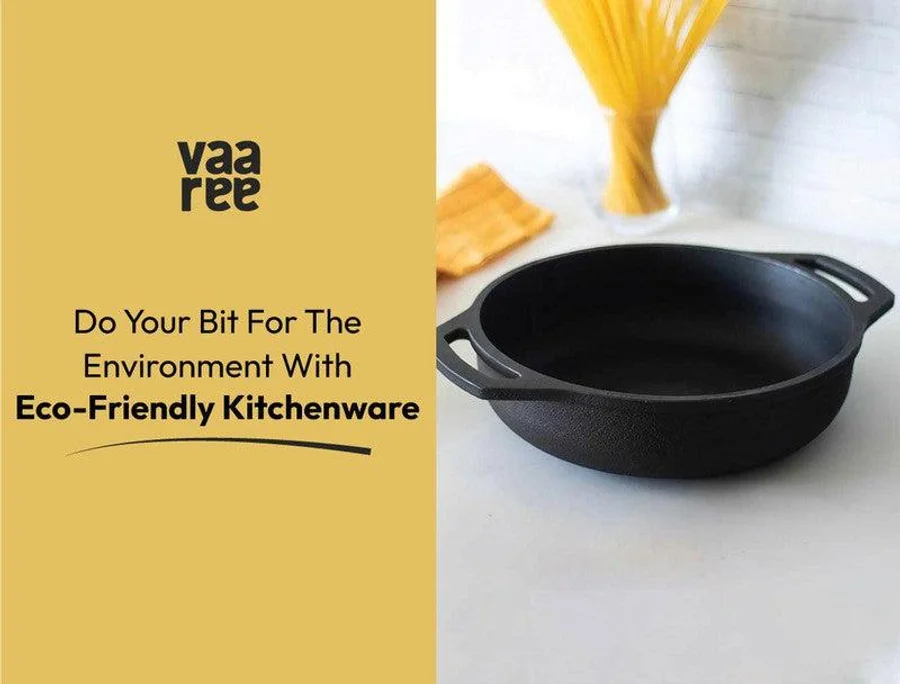
Choosing kitchenware involves more than a material name or an “eco-friendly” label. Consider what you will actually use, the product's documented specifications, how you will care for it, and the disposal or recycling options available where you live.
What to check before choosing kitchenware
Look for specific information about the material, coatings, intended food-contact use, maintenance, and any environmental certification claimed by the manufacturer. A material label alone does not establish that an item is biodegradable, recyclable locally, non-toxic, or safer than another product.
Before replacing something you already own, consider whether it still meets your needs and can be maintained or repaired. For a new purchase, choose a capacity and design you expect to use regularly rather than buying solely on a broad sustainability promise.
Seven kitchenware ideas to compare
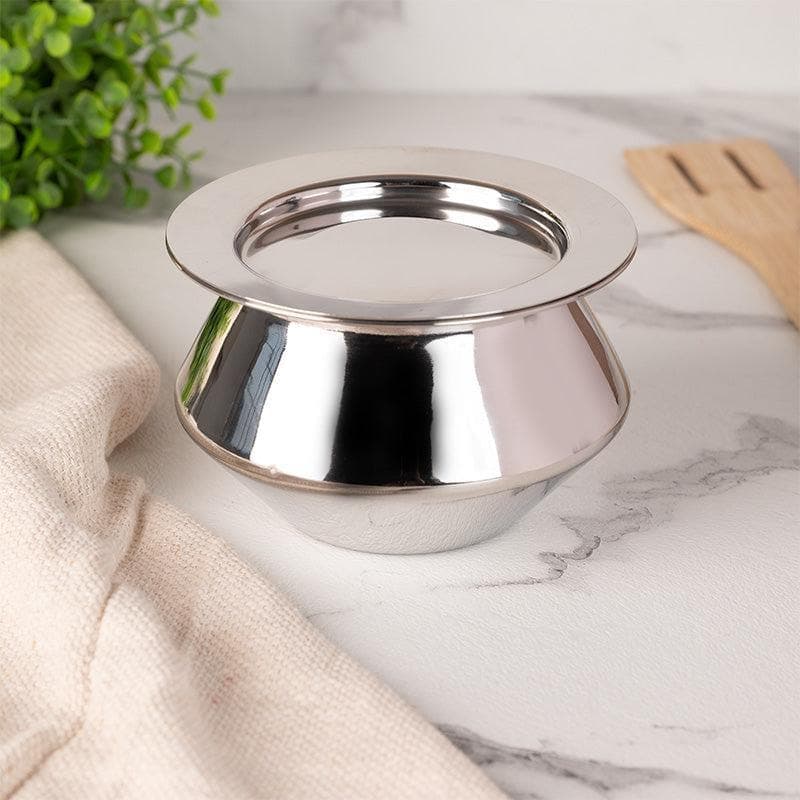
1. Clay cooking pot
If you are considering a clay pot, check the manufacturer's stated cooking uses, heat-source compatibility, preparation requirements, and care instructions. Do not infer food-contact suitability or environmental performance from its appearance or the word “clay.”
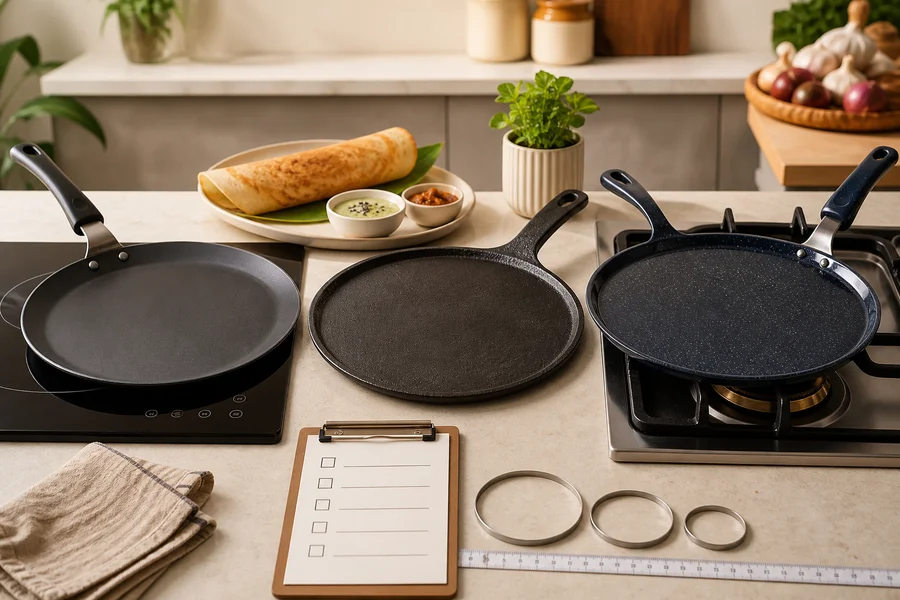
2. Cast iron frying pan
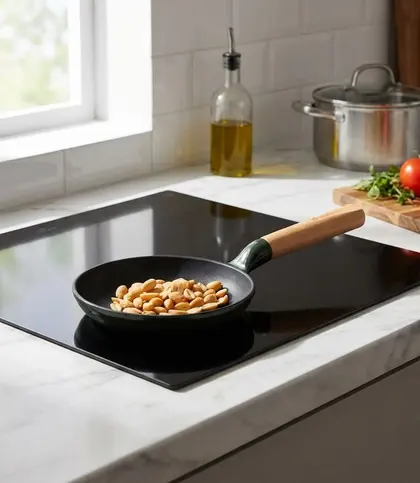
Compare a current pan's size, weight, handle design, compatible heat sources, and maintenance requirements with your cooking routine. Follow its own seasoning and care instructions rather than assuming every cast iron pan needs the same treatment.
Compare cast iron pan options by the dimensions, listed materials, intended use and care information for your arrangement.
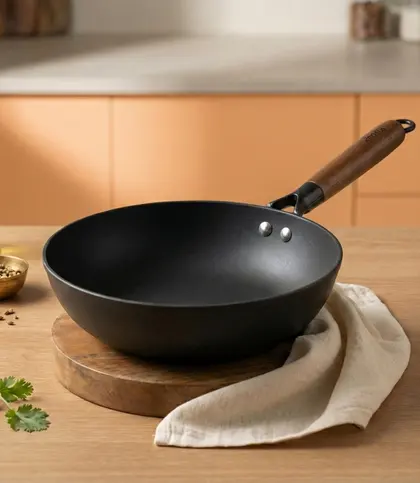
₹3,099
₹3,640
15%OFF
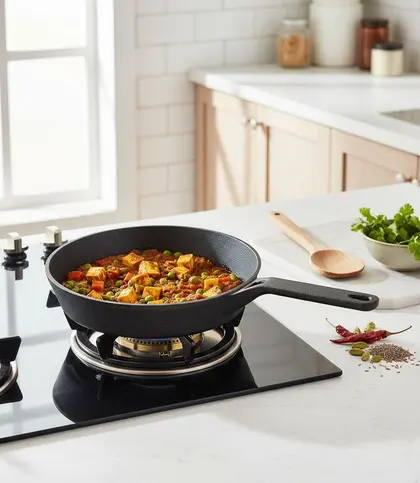
₹1,103
₹1,492
26%OFF
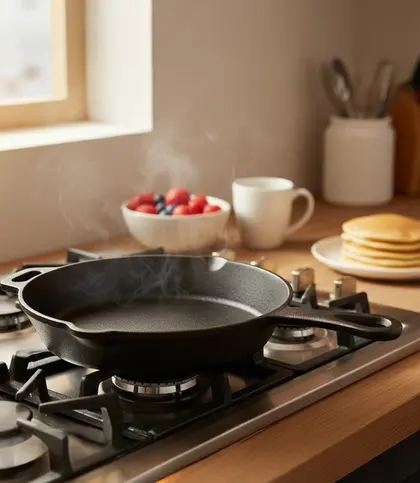
Sold Out
₹1,241
₹2,016
38%OFF
₹2,499
₹3,399
26%OFF
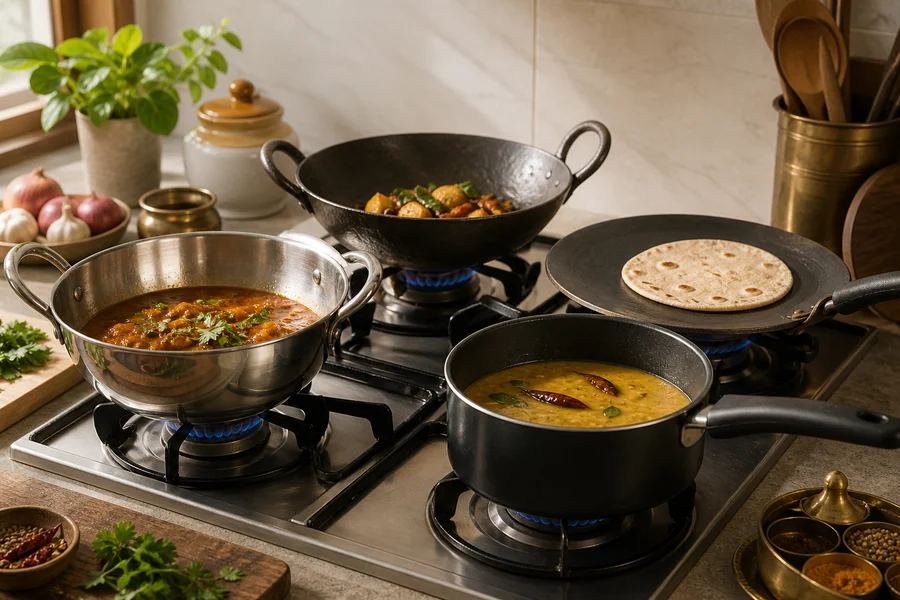
3. Bronze saucepan
For bronze cookware, look for the maker's food-contact specifications, lining or coating details, permitted uses, and care instructions. Choose cookware for its documented practical properties, not promises of better eyesight, skin, or weight loss.
4. Measuring spoons
Choose measuring spoons with clearly marked capacities that suit your recipes. Check the material, cleaning instructions, and intended use. A wooden appearance does not establish antibacterial properties, heat protection, or environmental certification.
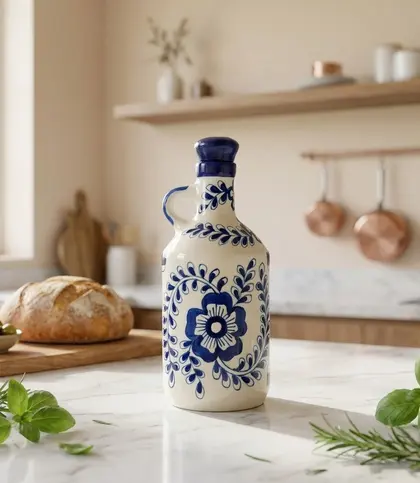
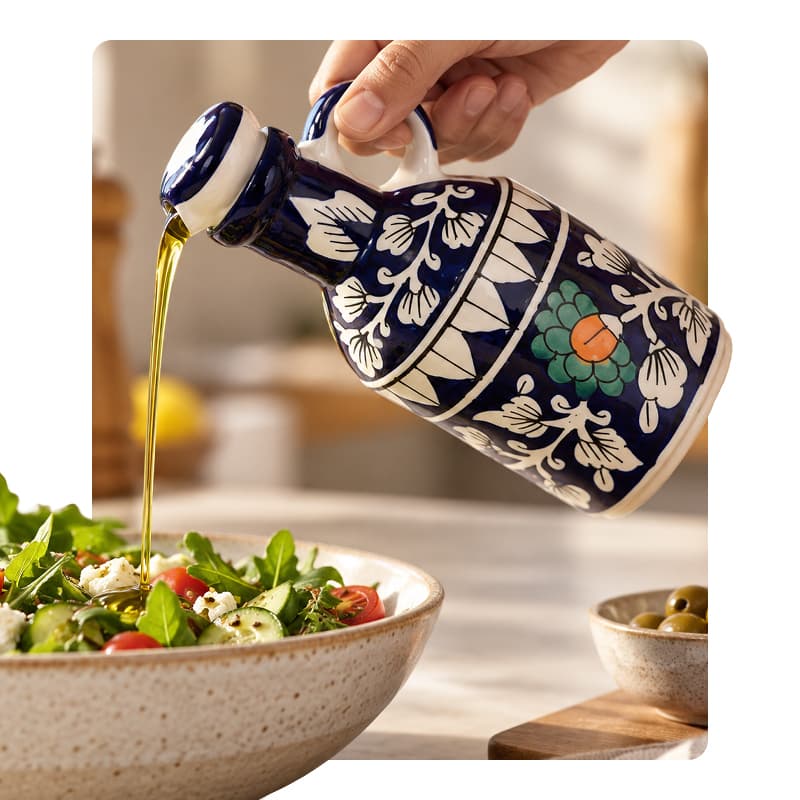
5. Oil dispenser
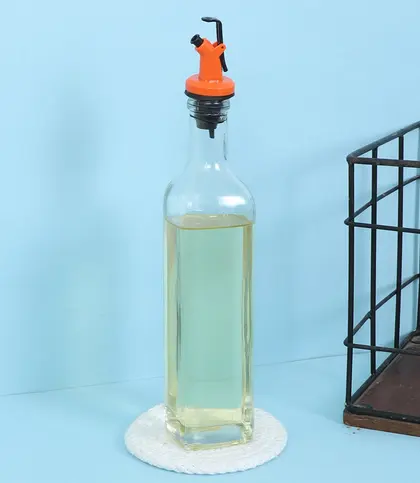
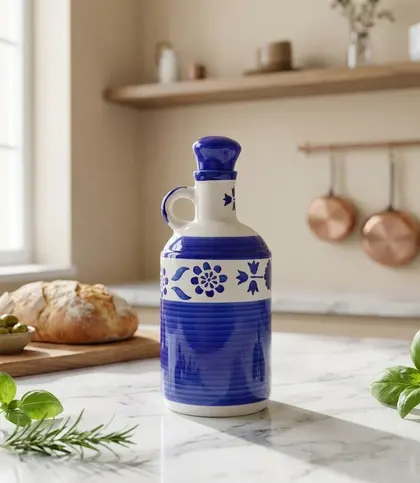
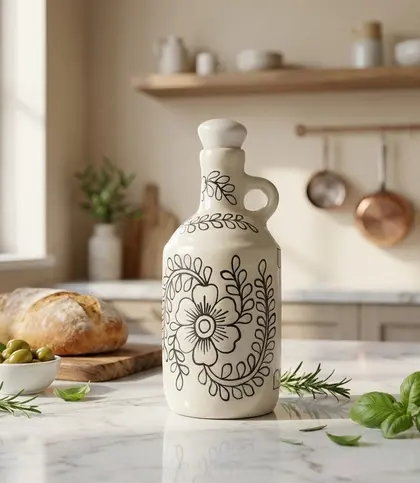
Compare the capacity, closure, pouring design, cleaning access, and stated food-contact suitability of a current dispenser. Follow the oil producer's storage instructions; the dispenser's appearance alone is not a preservation guarantee.
Compare oil dispenser options by the dimensions, listed materials, intended use and care information for your arrangement.
₹284
₹662
57%OFF
₹728
₹1,245
42%OFF
₹679
₹1,145
41%OFF
₹728
₹1,245
42%OFF
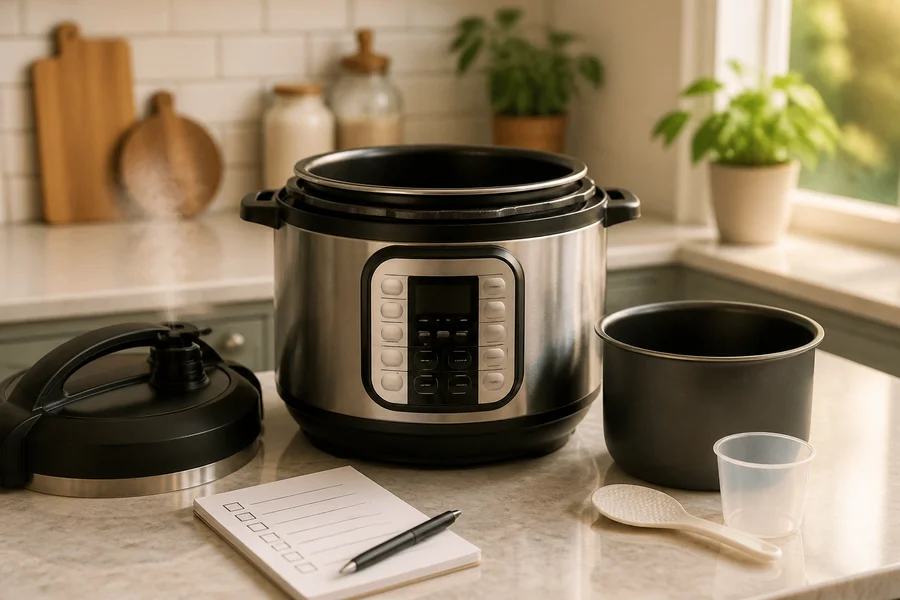
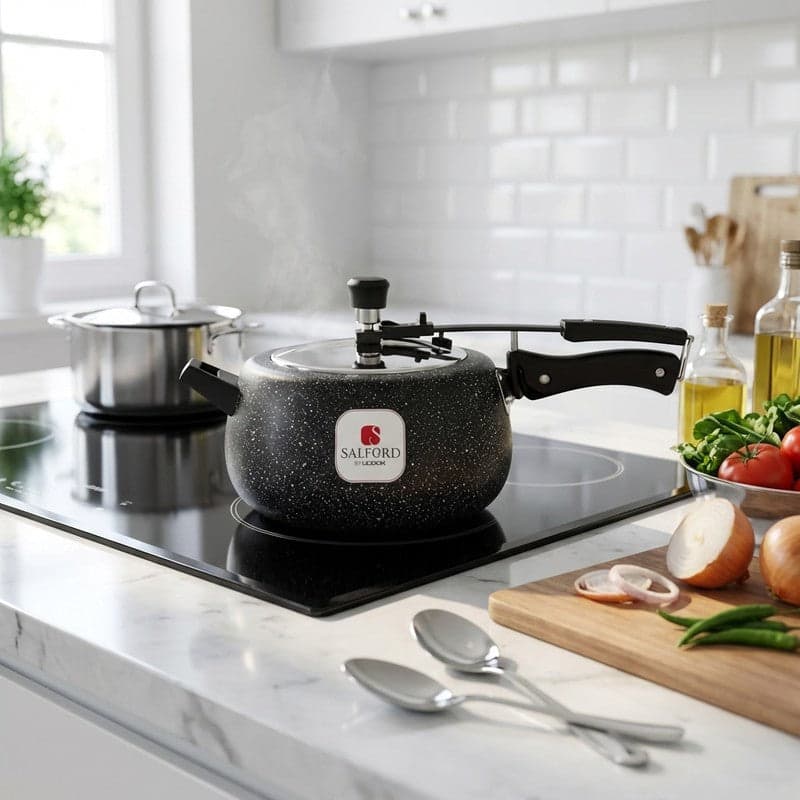
6. Pressure cooker
Choose a pressure cooker by its capacity, documented safety features, compatible heat sources, and availability of appropriate replacement parts. Follow the manufacturer's filling, cooking, opening, and maintenance instructions. A material name does not establish that a cooker will prevent overheating or make food healthier.
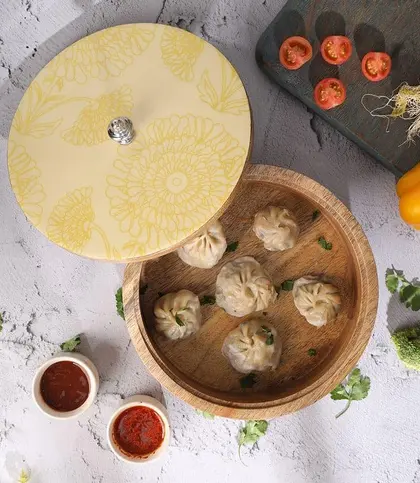
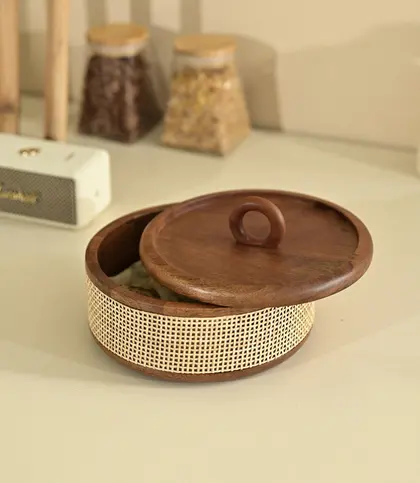
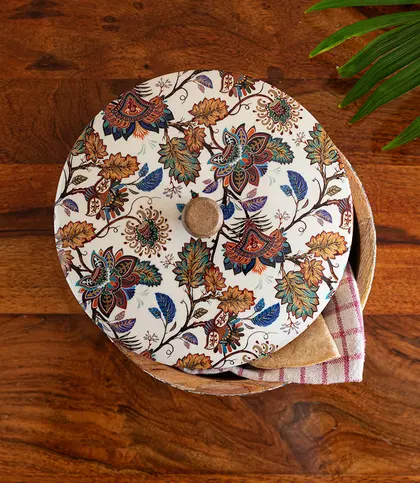
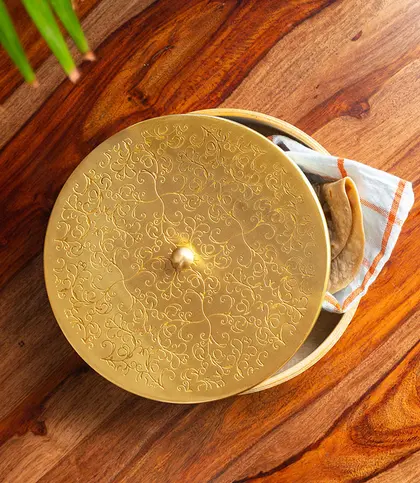
7. Roti box
For a roti box, compare capacity, lid fit, food-contact suitability, cleaning instructions, and any documented insulation features. Do not assume a wooden box is antibacterial, unbreakable, or able to keep food fresh for a particular duration.
Compare roti box options by the dimensions, listed materials, intended use and care information for your arrangement.
₹1,119
₹1,490
25%OFF
₹2,699
₹3,699
27%OFF
₹1,899
₹3,099
39%OFF
₹1,994
₹3,499
43%OFF
Frequently asked questions
Which materials should I consider?
Start with the intended use, then compare specific products. Stainless steel, cast iron, glass, clay, and wood appear in many kitchenware categories, but the finished product's construction, coating, and instructions matter more than a broad material label.
Does “eco-friendly” mean a product is safe for every kitchen use?
No. Check the specific product's intended use, food-contact information, temperature guidance, and compatibility. An environmental label is not a substitute for those specifications.
How should I evaluate environmental claims?
Look for a precise claim, supporting documentation, and the scope of any certification. Check local recycling or disposal guidance and avoid assuming that all products made from the same material have the same environmental impact.
Browse related designs
Use the sizing, styling and care points above to compare the relevant categories.
Keep exploring