


Casserole And Roti Box Buying Guide
Short answer: Choose a roti box for breads, a casserole for warm dishes, and a set when you regularly serve multiple items together. Match size to meal count and table space.
The 5-Minute Choice
Choose between a roti box, casserole, or serving set by meal pattern, table size, heat retention needs, and cleaning.
Separate Bread From Curries
Rotis, parathas, rice, dal, sabzi, and snacks do not need the same serving piece. A roti box keeps breads together and table-ready. A casserole is more useful for dishes that need covered serving. A set helps when you regularly serve two or three warm items at once.
Check Table Space First
A beautiful serving set can overcrowd a small dining table. Measure how much space remains after plates, glasses, water, chutney, and serving spoons. If your table is compact, one roti box plus one main serving bowl may work better than a large multi-piece spread.
Choose Material By Cleaning Routine
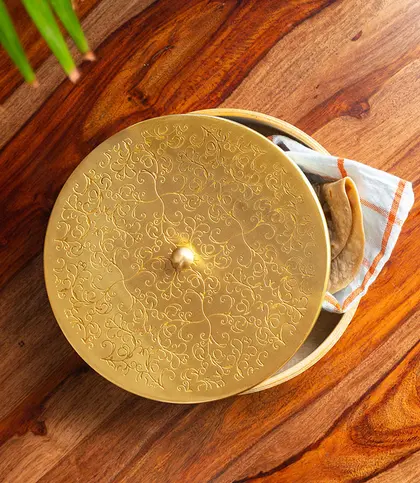
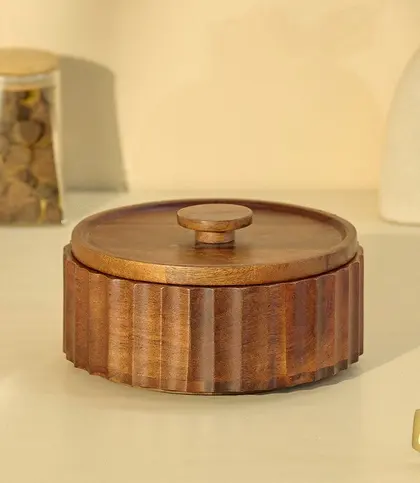
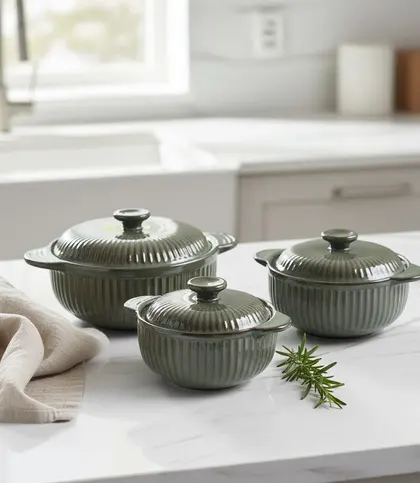
Wood and brass finishes feel warm and festive but need mindful care. Ceramic looks elegant on the table but can be heavier and more delicate. Everyday serving pieces should be easy to wipe, wash, and store without needing special handling after every meal.
The 5-Minute Decision
Choose roti box for breads, casserole for covered warm dishes, and sets only when your meal pattern and table size support them. Serving pieces should make meals smoother, not more crowded.
Fit And Maintenance Reality Check
Serving pieces should also suit how food moves from kitchen to table. If dishes are served buffet-style from the counter, larger covered pieces may work. If everything sits on a compact dining table, smaller pieces with easy-grip lids will make the meal less crowded.
Quick Checklist
- [ ] The product matches a real routine, not just a product photo.
- [ ] Size, count, or capacity fits the home as it is today.
- [ ] Material and cleaning effort are realistic for daily use.
- [ ] Storage, installation, or safety constraints have been checked.
- [ ] The purchase makes the room easier to use, serve, cook in, host in, or organize.
Quick Answer
- Choose casseroles by the job it must do first, then by style.
- Measure the actual spot before buying; most mistakes come from poor fit.
- Pick easy-care materials for daily use and more decorative finishes for occasional or guest-facing use.
- If two options both look good, choose the one that makes the room easier to use in five minutes.
Definitions
- Casserole: A casserole or roti box keeps food ready for serving; choose capacity, insulation, and cleaning effort by meal size.
- Roti Box: A casserole or roti box keeps food ready for serving; choose capacity, insulation, and cleaning effort by meal size.
Before You Buy
Check where casseroles will actually be used. Measure the available space, check cleaning or storage effort, and think through how people move around it. If it creates a new inconvenience, choose a simpler or better-fitting option.
Product Picks That Fit The Decision
These picks show how the buying logic applies to real Vaaree options. Compare them by use case, size, material, finish, and where they will sit in the home.
- Use Shahi Rasoi Mango Wood & Brass Roti Box as a roti box option for table serving.
- Compare Onda Wooden Roti Box as a wooden roti box for everyday or guest meals.
- Consider Olive Ceramic Casserole Set - Set of Three as a casserole set for serving multiple dishes.
₹2,099
₹3,499
40%OFF
₹3,095
₹4,299
28%OFF
 FastDelivery
₹4,550
₹6,000
24%OFF
Final Verdict
- Choose the simplest option for casseroles when daily use, cleaning, or space is the main concern.
- Choose the more decorative option when the room already works and needs warmth, texture, height, or personality.
- Combine products only when each one has a different job; the best home decisions make the room easier to live in, not just fuller.
FAQs
Do I need both a roti box and a casserole?
You do if breads and warm dishes are served separately often. If meals are simple, one practical covered server may be enough.
Which material is easiest for daily serving?
Choose the material you can clean and store easily. Delicate finishes are better for occasional hosting.
What size should a roti box be?
Match it to the number of rotis usually served at once and the space available on the table.
What should I check before buying casseroles?
Check size, material, placement, cleaning effort, and how often it will be used. The right choice should make the room easier to live in, not just better in photos.
How do I choose casseroles for daily use?
Start with the daily routine, then narrow by size, finish, and maintenance. The better choice is the one that fits the room without adding a new cleaning, storage, or movement problem.