
A chilled beer can feel especially welcome on a hot afternoon or humid summer evening. For anyone planning a Sunday brunch or a relaxed gathering, the glass you choose can make serving feel more considered.
Here is a quick look at familiar beer-glass shapes and the beer styles they are often associated with.
Matching the Mug & the Beer
There is a wide variety of beer mugs and glasses to explore. When choosing, consider the serving size you prefer, how the glass feels in your hand, and the look you want for your table or bar cabinet. Check the product page for dimensions, care guidance and what is included before buying.
1. Beer Mugs
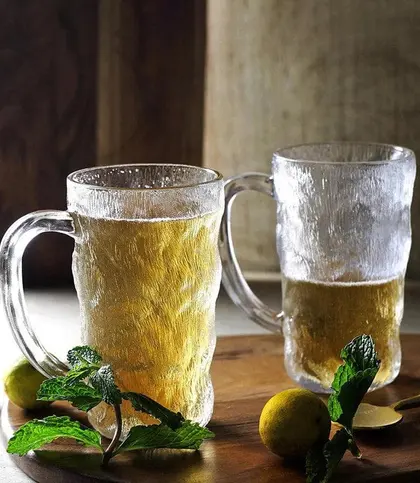
A familiar beer mug has a cylindrical body and a handle. The handle can make it easier to hold a chilled drink without holding the bowl itself. Choose a capacity that suits the pours you usually serve, and compare the weight and handle comfort if possible.
Apt For: A range of beer styles
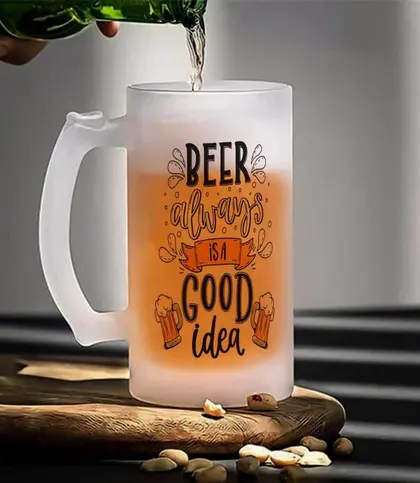
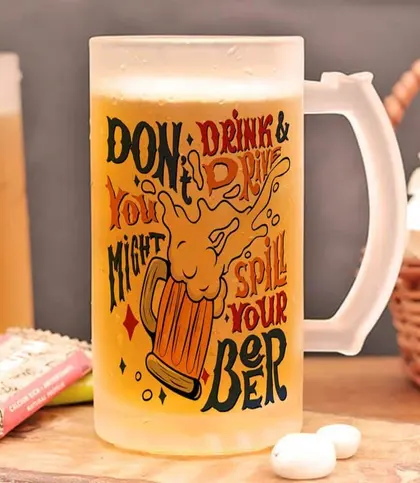
For a classic handled option, compare these current beer mugs by their listed capacity and set size.

₹399
₹680
41%OFF
₹1,034
₹1,199
14%OFF
₹549
₹699
21%OFF
₹549
₹699
21%OFF
2. Pint Glass
A pint glass is a straightforward choice for casual gatherings, particularly when you want several matching glasses on the table. Its simple form can be easy to store and serve from; review the listed care instructions before cleaning or stacking.
Apt For: Lagers & ales
3. Goblets
With a deep bowl and short stem, a goblet can be an elegant alternative to a conventional mug. Its wider opening makes it a considered option for people who enjoy noticing a beer’s aroma as they drink.
Apt For: Malty beers, such as German bocks & Belgian ales
4. Weizen Glass
The curving profile of a Weizen glass is a distinctive addition to a bar cabinet. Its taller silhouette and wider top are traditionally associated with wheat beers, making it a useful style to consider when serving Weizenbocks, Kristallweizens or wheat ales. Choose the capacity according to the pours you plan to serve.
Apt For: Weizenbocks, Kristallweizens, or wheat ales
5. Stange Glass
Stange is the German word for rod, reflecting this glass’s tall, slender shape. It is often associated with Cologne’s beer-serving tradition and makes a neat option for smaller pours and refills.
Apt For: Kölsch, Gose & Alt beers
Frequently Asked Questions
1. What factors should I consider when selecting the ideal beer mug?
Consider the following before choosing a beer mug or glass:
- Size: Pick a capacity that suits your usual serving size and how often you want to refill.
- Type of beer: Different shapes are traditionally associated with particular beer styles, so choose a form that suits what you most often serve.
- Design & appearance: Select a shape you enjoy using and that works with your existing tableware or bar setup.
- Handling: Consider the weight, rim, stem or handle, depending on what feels comfortable to hold.
- Care: Check the product page for cleaning and care instructions rather than assuming all glassware can be treated the same way.
2. How does the size of a beer mug impact the drinking experience?
Size affects how much you can pour at once and how frequently you need to refill. A smaller glass may suit shorter serves, while a taller or larger vessel may be more convenient for a longer pour. Choose the size that feels comfortable to hold and fits the way you entertain.
3. What are the different shapes of beer mugs available, and how do they affect serving?
A few familiar beer mug and glass shapes include:
- Classic beer mug: A handled option for everyday serving; compare the actual capacity and weight.
- Pint glass: A simple, versatile shape often used for lagers and ales.
- Goblet: A bowl-shaped glass with a stem, often chosen for fuller-bodied or aromatic beer styles.
- Weizen glass: A tall, curved style traditionally used for wheat beers.
- Stange: A narrow, straight-sided glass associated with Kölsch, Gose and Altbier.
- Pilsner glass: A taller, often tapered form commonly chosen for pilsners and other lighter beers.
Browse Related Designs
Explore beer mugs and glasses to compare styles, listed capacities and care details for your next gathering.

Keep exploring